

Side-by-side
Mandarin Oriental, Tokyo vs Aman Tokyo
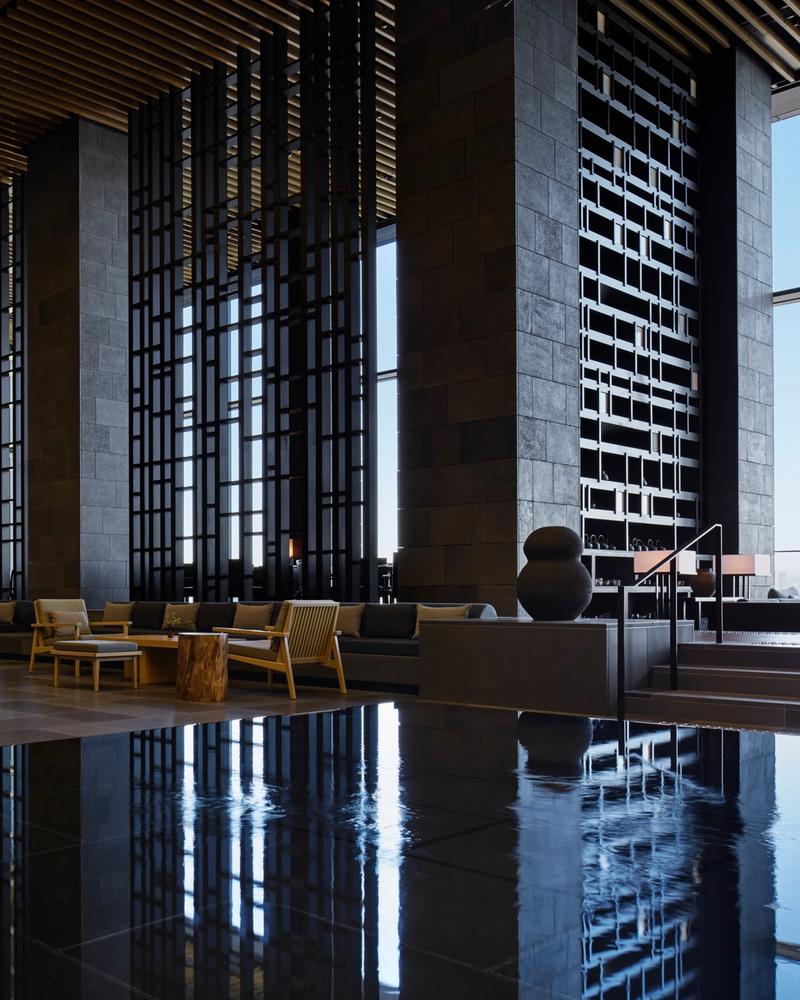
Mandarin Oriental, Tokyo: Pizza Bar on 38th has an eight-seat counter that's genuinely hard to book, and the sushi and breakfast pastries get singled out just as often. Aman Tokyo: The soaring stone lobby and the room dimensions keep getting singled out as the best part of the stay, even by people disappointed elsewhere. Overall, Mandarin Oriental, Tokyo is the stronger stay.
Can't split them? Tell us the trip and we'll say which one we'd book — then book it at the same rate as direct, our perks attached.
Mandarin Oriental
Fat LegendMandarin Oriental, Tokyo
A Mandarin Oriental occupying the top floors of Nihonbashi Mitsui Tower, next to a subway station and Mitsukoshi department store.
Aman
Fat ApprovedAman Tokyo
A serene sanctuary in the heart of Otemachi, blending traditional Japanese aesthetics with contemporary minimalism.
Strengths & trade-offs
Mandarin Oriental, Tokyo
Strengths
- Staff repeatedly go out of their way with personal, remembered gestures
- Pizza Bar on 38th is a genuinely hard-to-book, highly rated dining experience
- Rooms run larger than most competitors in central Tokyo
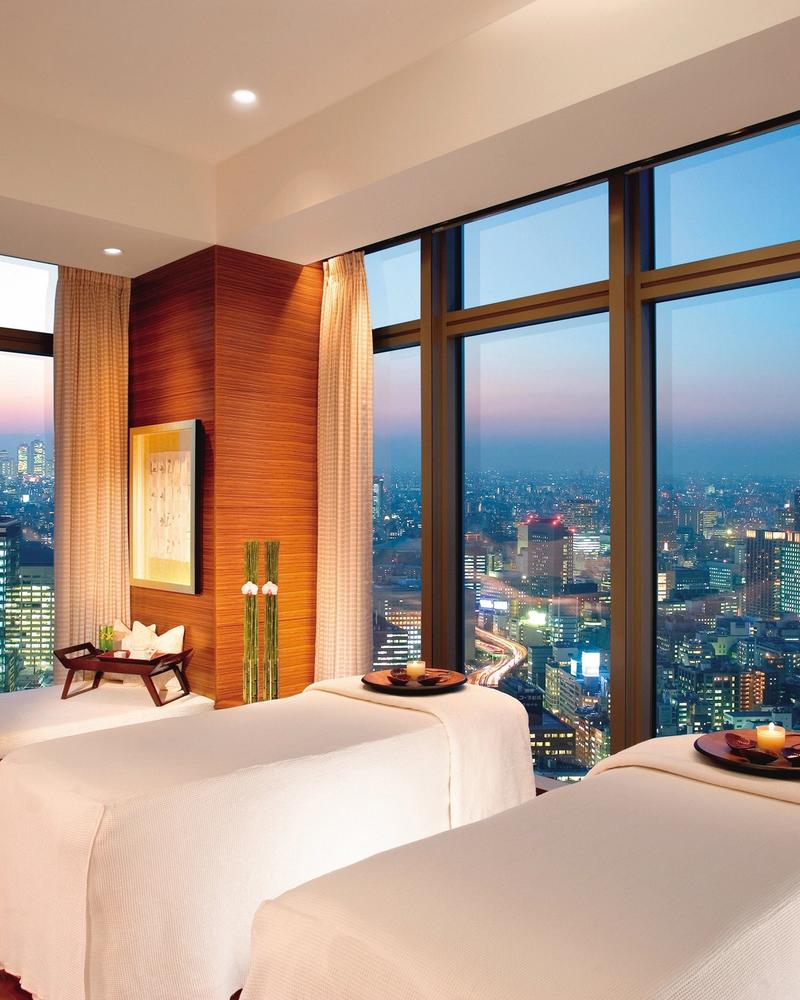
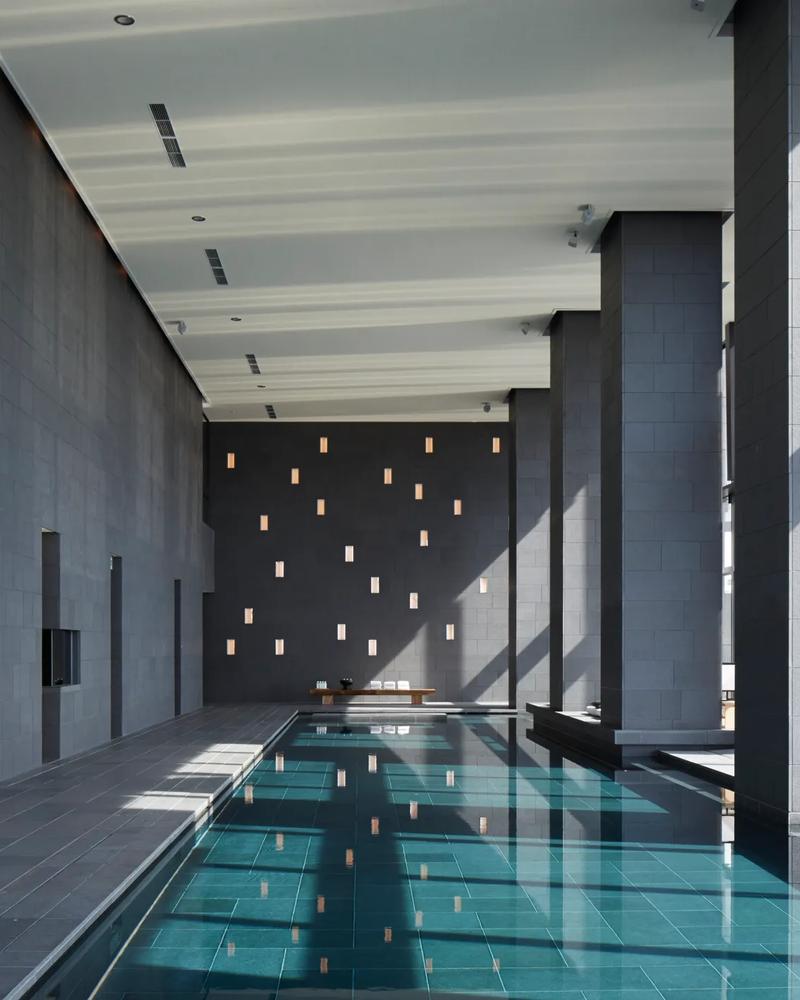
- Spa offers a late-night jet pool with skyline views
- Convenient subway access to Ginza and the financial district
Trade-offs
- Some rooms and bathroom fittings described as dated or in need of repair
- Not the most central Tokyo address compared to Ginza-based rivals
- At least one account of a rude, hard-to-understand front-desk interaction
Aman Tokyo
Strengths
- Soaring stone lobby with some of the largest suites in central Tokyo
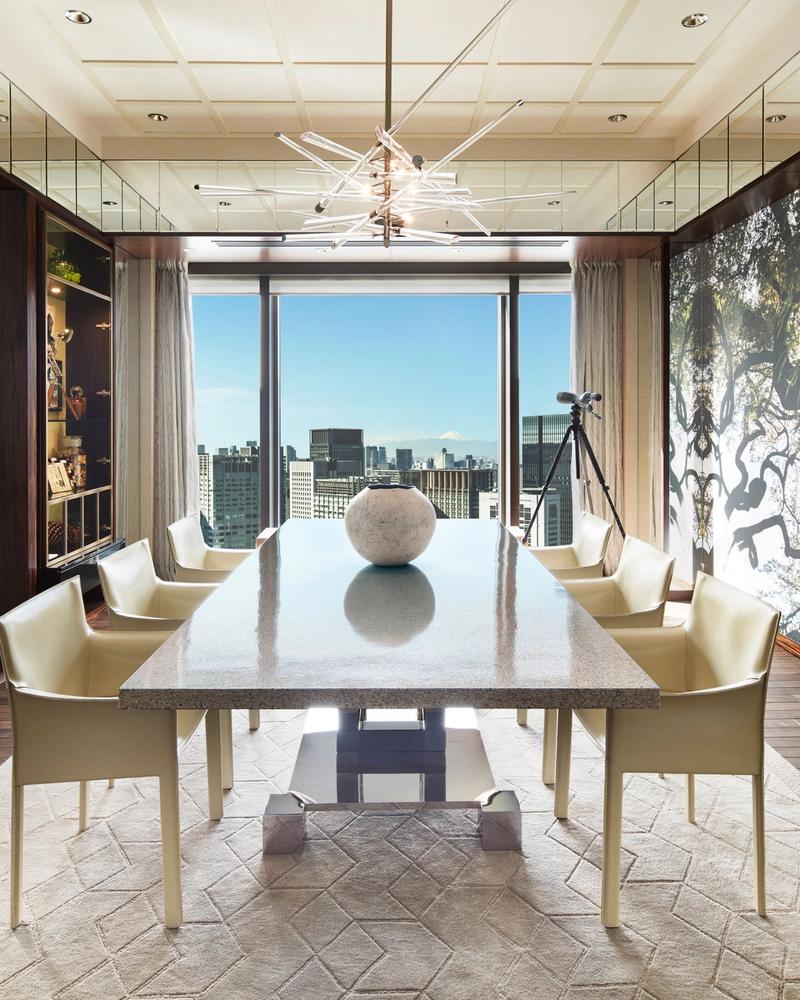
- Imperial Garden and Mount Fuji views from upper-floor rooms
- Musashi's omakase counter, run by a chef who left his own Michelin restaurant to join Aman
- Skyline pool and spa floor consistently singled out as a highlight
- Walking distance to Tokyo Station and the Imperial Palace grounds
Trade-offs
- Concierge response times and reservation handling draw repeated complaints
- In-room breakfast quality swings from excellent to disappointing depending on the day
- Restaurant hours and late-checkout policy can feel rigid for the price
- Recognition and personalization inconsistent between visits
Scoreboard
| Dimension | Mandarin Oriental, Tokyo/ 20 | Aman Tokyo/ 20 |
|---|---|---|
| Tier | Fat Legend | Fat Approved |
| Overall Fat Score | 18+2.5 | 15.5 |
| Service | 19+5 Named staff turn up constantly: a duty manager who personally walks people to their room during a typhoon, a bartender who talks guests through the menu like it matters. | 14 Some guests get remembered by name and walked to the train; others wait through a bungled dinner reservation or a curt late-checkout demand. |
| Design | 17.5 Rooms run large for Tokyo with a calm, neutral palette and cherry-blossom and bonsai touches, though a few guests flagged tired bathroom fittings. | 18.5+1 The soaring stone lobby and the room dimensions keep getting singled out as the best part of the stay, even by people disappointed elsewhere. |
| Location | 17Even Sits above Nihonbashi next to the subway, minutes from Ginza and Mitsukoshi, though it's not the most central Tokyo base. | 17Even Steps from Tokyo Station and the Imperial Palace moat, though a few guests found the Otemachi business district quiet at night. |
| Dining | 18.5+5 Pizza Bar on 38th has an eight-seat counter that's genuinely hard to book, and the sushi and breakfast pastries get singled out just as often. | 13.5 Musashi's sushi counter gets real praise but in-room breakfast draws complaints about broken hollandaise and dry bacon, and restaurant hours are rigid. |
| Wellness | 17+0.5 The spa gets described as a proper escape from the city, with a late-night jet pool and view that a few guests specifically plan around. | 16.5 The pool overlooking the skyline and the spa floor get consistently singled out, with the gym also mentioned as well-equipped and quiet. |
Where they differ
Only Mandarin Oriental, Tokyo
Nothing the other doesn’t also offer.
Ahead on service +5 and dining +5.
Where they sit
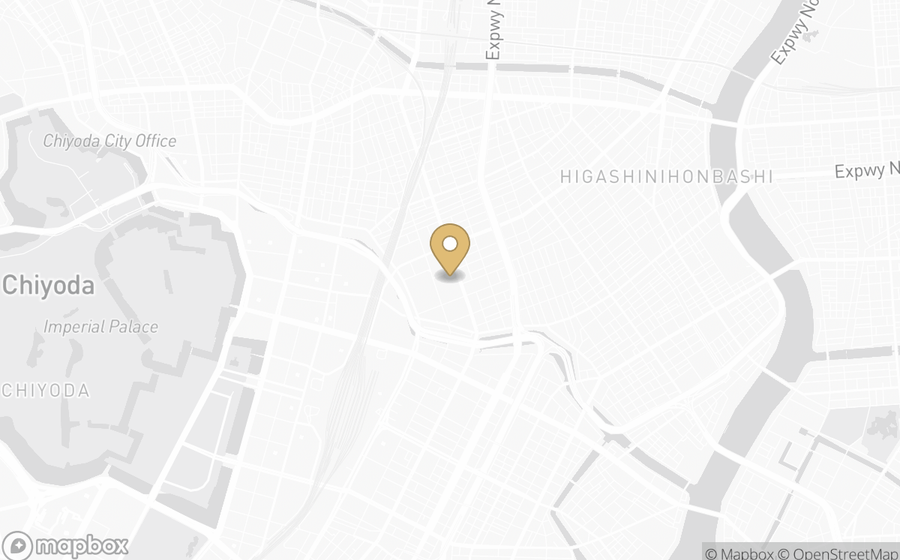
Tokyo, Japan
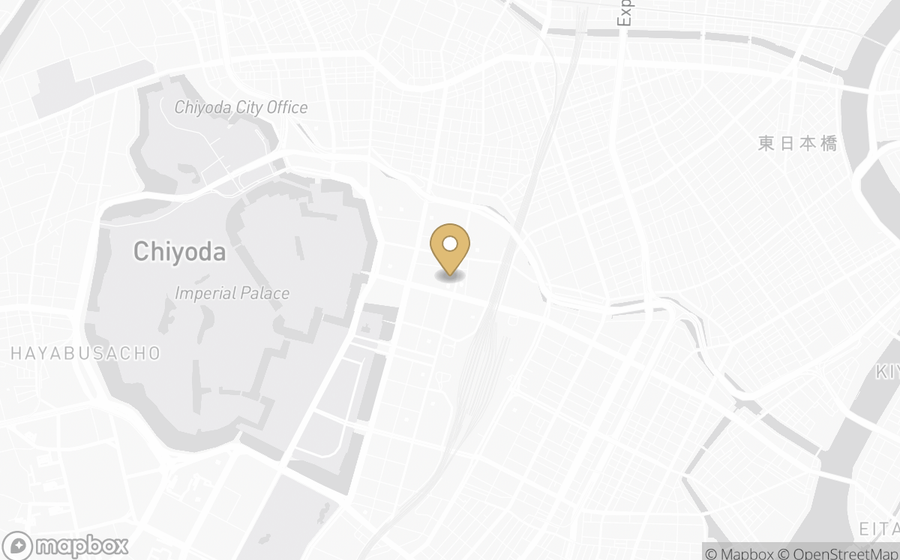
Tokyo, Japan
The Verdicts
Mandarin Oriental, Tokyo
A room here runs large by Tokyo standards, and that's before the staff start doing the things that make people write paragraphs about a hotel stay. A duty manager met one couple at 11pm during a typhoon and personally walked them to their room; a guest experience host found out it was someone's birthday and had a cake waiting, then came down in person to help sort their taxi at checkout. That's not an isolated nice touch. It's the operating standard, and it shows up whether you're at the front desk, the spa, or three drinks into a night at the Mandarin Bar.
The Pizza Bar on 38th is the hardest reservation in the building, an eight-seat counter serving two sittings a day, and it's good enough that people rank it against pizza in Naples and Manhattan. The spa has a jet pool with a night view over the city that a few guests plan their whole evening around, and breakfast pastries get name-checked almost as often as the staff do. The rooms themselves are the trade-off worth knowing about going in: some guests flagged dated bathroom fittings and equipment that wasn't fully working, which is a fair ask at this rate. It's also not the most central address in the city, sitting in Nihonbashi rather than Ginza proper, though the subway is right there.
Book it for a Tokyo stay built around food and genuine hospitality rather than the newest building in town; the Okura and Aman Tokyo get raised constantly by people who've done both, usually on design terms rather than service ones. If you want the newest rooms in the city, that's a fair reason to look elsewhere. If you want staff who remember your name on a second visit and a pizza reservation worth fighting for, this is where you book.
Aman Tokyo
Book Aman Tokyo for the room and the view, not for the fantasy of being fussed over every hour. The 34th-floor lobby with its stone bath and impossibly high ceiling is the thing people describe first, and the suites back it up: floor-to-ceiling windows over the Imperial Gardens, some with Mount Fuji on a clear morning, and square footage that genuinely outsizes most Tokyo competitors. One guest called the space itself the reason to stay there, full stop, and after reading enough of these it's hard to argue.
The service is where the reviews split, and it's not a small split. Several guests describe being remembered by name and walked to their Shinkansen platform with help carrying bags. Others describe a restaurant that lost their dinner reservation and had to be reminded of their room number twice, or a front desk that quoted 20% of the nightly rate for one extra hour past checkout. The concierge comes up as a genuine weak spot too: multiple people needed weeks to get a reply, and one traveler ended up DMing a chef on Instagram to secure a table the hotel couldn't. Breakfast is inconsistent in the same way, with some calling the Japanese set one of their favorite hotel meals and others getting a flat egg dish with broken sauce that looked, in one blunt comparison, like a diner plate. None of it is disqualifying, but at this rate it should be closer to automatic.
At $1,200 to $5,000 a night depending on suite and season, this is for people who want the room and the calm more than they want a hotel that anticipates their next move. If proactive, remembers-your-drink-order service is the priority over square footage and that lobby, guests keep landing on the Bulgari down the road instead. For everyone else, the rooms alone are worth the trip, and Musashi's sushi counter is worth booking two nights in a row for.


Still torn between Mandarin Oriental, Tokyo and Aman Tokyo?
We're Sofie and Nicolas, the two of us behind Fat Voyage — and we've stayed in hotels like these ourselves. Tell us what the trip is and we'll tell you which one we'd book, and why. We're not a booking service, but a few times a year we plan one properly for someone; if that's what you're after, say so.
You'll be dealing with the two of us the whole way through, which is why we only take on a handful of trips at a time — if we're full, we'll say so. We reply by email, usually within one working day. The hotel pays us, not you: your rate is the same as booking direct, and the perks come on top.
Common questions
Which should I book — Mandarin Oriental, Tokyo or Aman Tokyo?
Mandarin Oriental, Tokyo: Pizza Bar on 38th has an eight-seat counter that's genuinely hard to book, and the sushi and breakfast pastries get singled out just as often. Aman Tokyo: The soaring stone lobby and the room dimensions keep getting singled out as the best part of the stay, even by people disappointed elsewhere. Overall, Mandarin Oriental, Tokyo is the stronger stay.
What's the difference between Mandarin Oriental, Tokyo and Aman Tokyo?
Both are Urban, Culinary, Wellness, Design and Japanese Design. Aman Tokyo adds Architecture. Mandarin Oriental, Tokyo is ahead on how you're looked after. Aman Tokyo is ahead on the rooms.
Which is better for service, Mandarin Oriental, Tokyo or Aman Tokyo?
Mandarin Oriental, Tokyo leads on this. Mandarin Oriental, Tokyo: Named staff turn up constantly: a duty manager who personally walks people to their room during a typhoon, a bartender who talks guests through the menu like it matters. Aman Tokyo: Some guests get remembered by name and walked to the train; others wait through a bungled dinner reservation or a curt late-checkout demand.
Which is better for dining, Mandarin Oriental, Tokyo or Aman Tokyo?
Mandarin Oriental, Tokyo leads on this. Mandarin Oriental, Tokyo: Pizza Bar on 38th has an eight-seat counter that's genuinely hard to book, and the sushi and breakfast pastries get singled out just as often. Aman Tokyo: Musashi's sushi counter gets real praise but in-room breakfast draws complaints about broken hollandaise and dry bacon, and restaurant hours are rigid.
Where are Mandarin Oriental, Tokyo and Aman Tokyo?
Both are in Tokyo, about 701 m apart — close enough that the choice is the hotel, not the neighbourhood.
How does Fat Voyage compare Mandarin Oriental, Tokyo and Aman Tokyo?
Fat Voyage scores every hotel out of 20 across five dimensions — service, design, location, dining and wellness — from independent signals: the most active luxury travel communities, major editorial publications, and verified guest reviews, weighted by source credibility, depth and recency. Nothing is paid for, and no hotel can buy a place.