

Side-by-side
Four Seasons Hotel Tokyo at Otemachi vs Aman Tokyo
Four Seasons Hotel Tokyo at Otemachi: Guests describe front desk staff by name arranging surprise cakes, doctors, and window messages, with check-in often handled in the room itself. Aman Tokyo: The soaring stone lobby and the room dimensions keep getting singled out as the best part of the stay, even by people disappointed elsewhere. Overall, Four Seasons Hotel Tokyo at Otemachi is the stronger stay.
Can't split them? Tell us the trip and we'll say which one we'd book — then book it at the same rate as direct, our perks attached.
Four Seasons
Fat LegendFour Seasons Hotel Tokyo at Otemachi
A 190-room Four Seasons on the top floors of an Otemachi tower, facing the Imperial Palace and Tokyo Station.
Aman
Fat ApprovedAman Tokyo
A serene sanctuary in the heart of Otemachi, blending traditional Japanese aesthetics with contemporary minimalism.
Strengths & trade-offs
Four Seasons Hotel Tokyo at Otemachi
Strengths
- Staff repeatedly arrange surprise gestures, from anniversary cakes to a doctor visit during a food poisoning bout
- Breakfast and the Virtu bar draw some of the most specific, repeated praise of any Tokyo hotel
- Rooms run unusually large for Tokyo with floor-to-ceiling views of the Imperial Palace and Mount Fuji
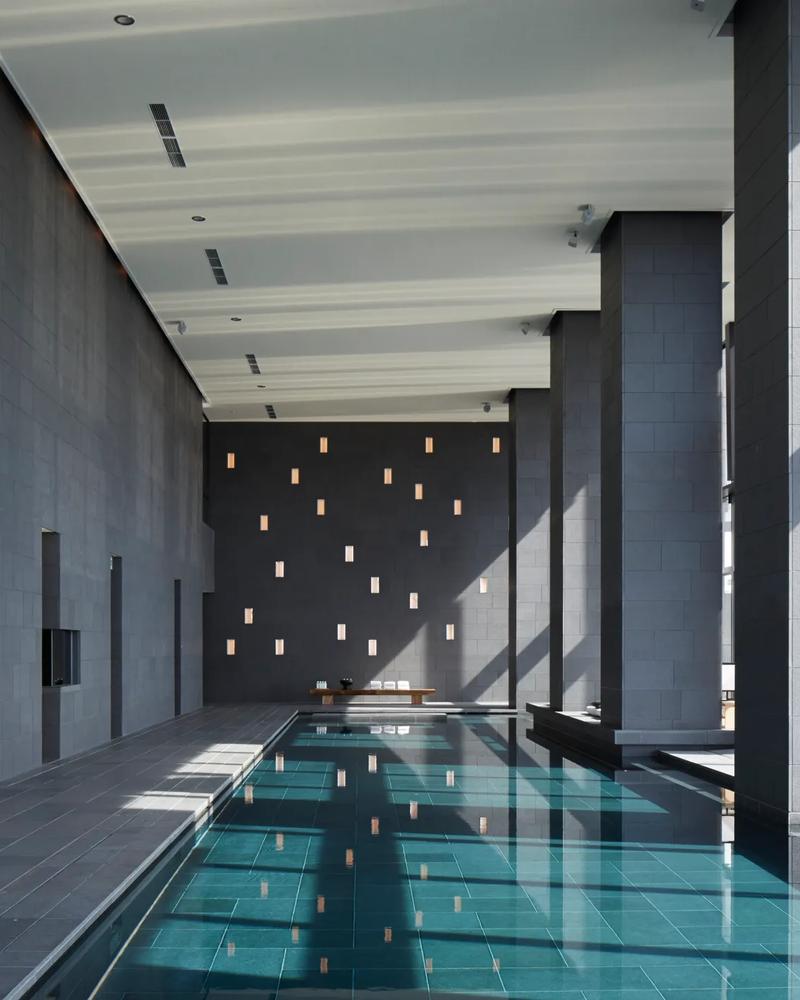
- Pool and onsen with skyline views are a consistent highlight of the wellness offering
- Direct access to multiple subway lines beneath the building despite sitting outside the main tourist districts
Trade-offs
- The lobby sits on a high floor, requiring two separate elevators to reach a room
- Decor reads as more minimalist and cooler than other Four Seasons properties to some guests
- The address near Otemachi's business district feels removed from Ginza and Shibuya's energy to some travelers
Aman Tokyo
Strengths
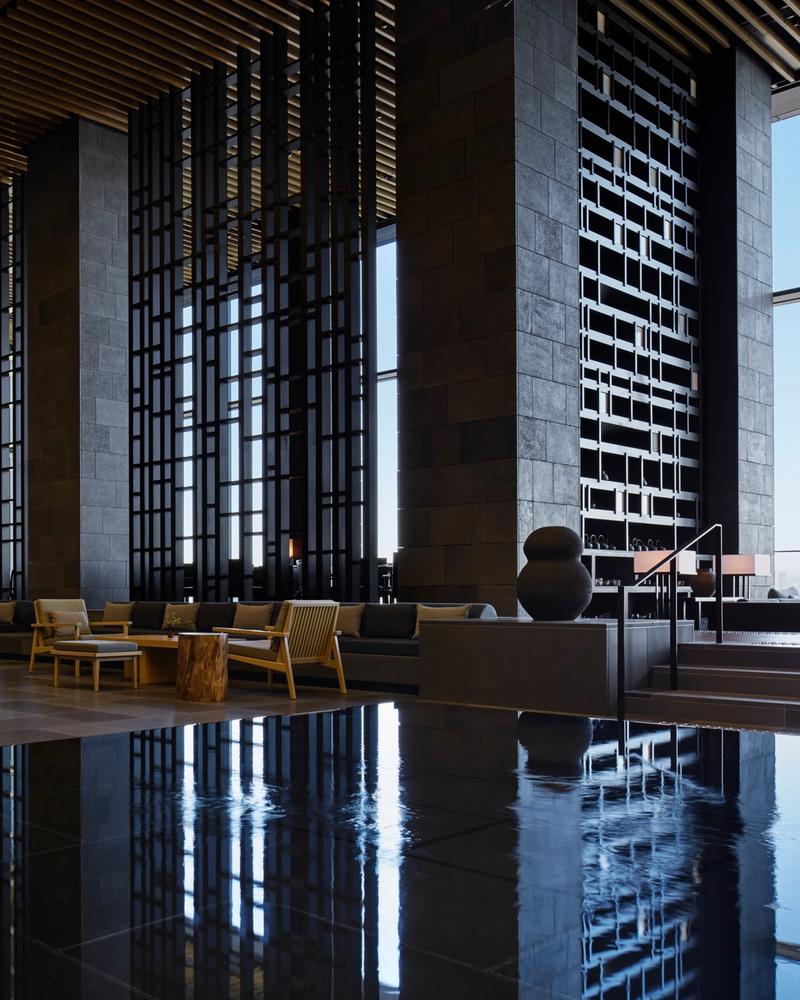
- Soaring stone lobby with some of the largest suites in central Tokyo
- Imperial Garden and Mount Fuji views from upper-floor rooms
- Musashi's omakase counter, run by a chef who left his own Michelin restaurant to join Aman
- Skyline pool and spa floor consistently singled out as a highlight
- Walking distance to Tokyo Station and the Imperial Palace grounds
Trade-offs
- Concierge response times and reservation handling draw repeated complaints
- In-room breakfast quality swings from excellent to disappointing depending on the day
- Restaurant hours and late-checkout policy can feel rigid for the price
- Recognition and personalization inconsistent between visits
Scoreboard
| Dimension | Four Seasons Hotel Tokyo at Otemachi/ 20 | Aman Tokyo/ 20 |
|---|---|---|
| Tier | Fat Legend | Fat Approved |
| Overall Fat Score | 18+2.5 | 15.5 |
| Service | 19+5 Guests describe front desk staff by name arranging surprise cakes, doctors, and window messages, with check-in often handled in the room itself. | 14 Some guests get remembered by name and walked to the train; others wait through a bungled dinner reservation or a curt late-checkout demand. |
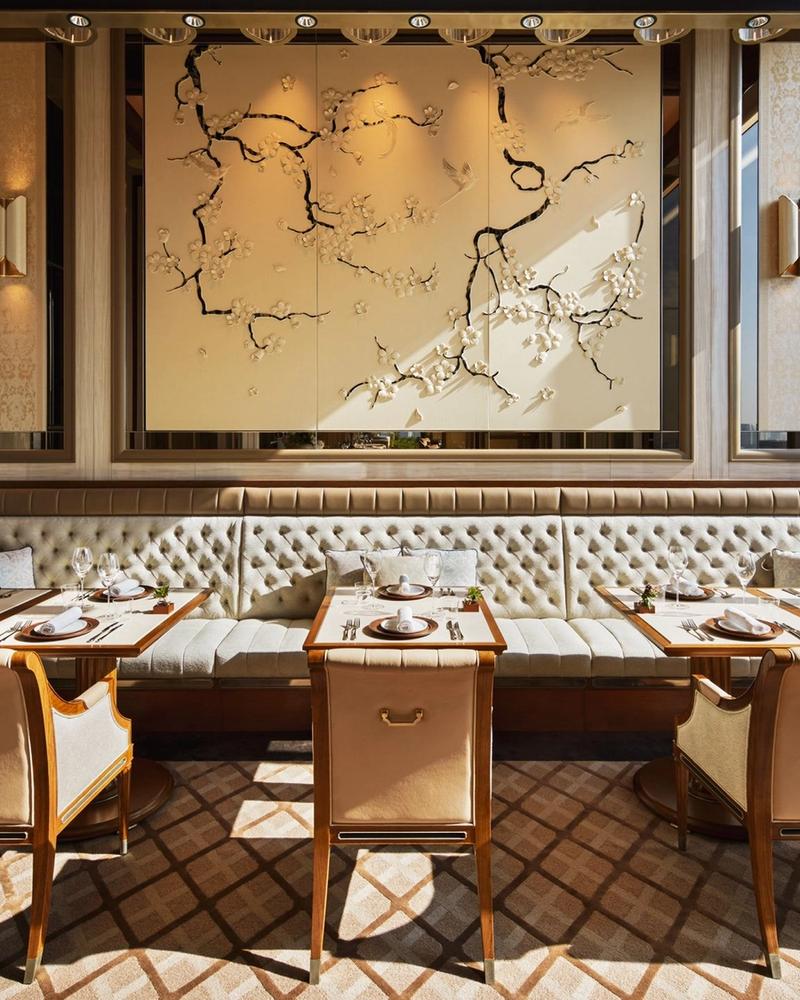
| Rooms & Design | 17.5 Rooms run large for Tokyo with floor-to-ceiling windows over the Imperial Palace, though a few call the decor more minimalist and cooler than other Four Seasons. | 18.5+1 The soaring stone lobby and the room dimensions keep getting singled out as the best part of the stay, even by people disappointed elsewhere. |
| Location | 18+1 Steps from Tokyo Station and multiple subway lines, opposite the Imperial Palace gardens, though a couple of guests found it removed from Ginza's buzz. | 17 Steps from Tokyo Station and the Imperial Palace moat, though a few guests found the Otemachi business district quiet at night. |
| Dining | 18+4.5 | 13.5 Musashi's sushi counter gets real praise but in-room breakfast draws complaints about broken hollandaise and dry bacon, and restaurant hours are rigid. |
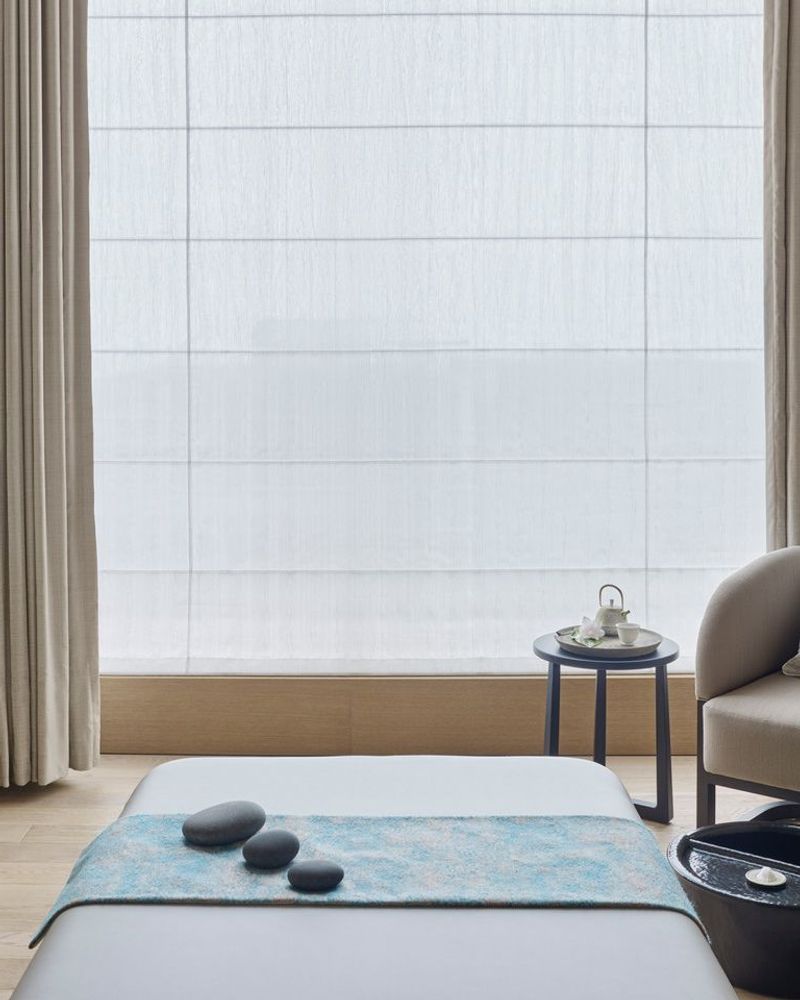
| Wellness | 18+1.5 The pool and onsen looking over the skyline are a recurring highlight, though one guest found the spa's steel tub and rules too clinical for comfort. | 16.5 The pool overlooking the skyline and the spa floor get consistently singled out, with the gym also mentioned as well-equipped and quiet. |
Where they differ
Only Four Seasons Hotel Tokyo at Otemachi
Nothing the other doesn’t also offer.
Ahead on service +5 and dining +4.5.
Where they sit
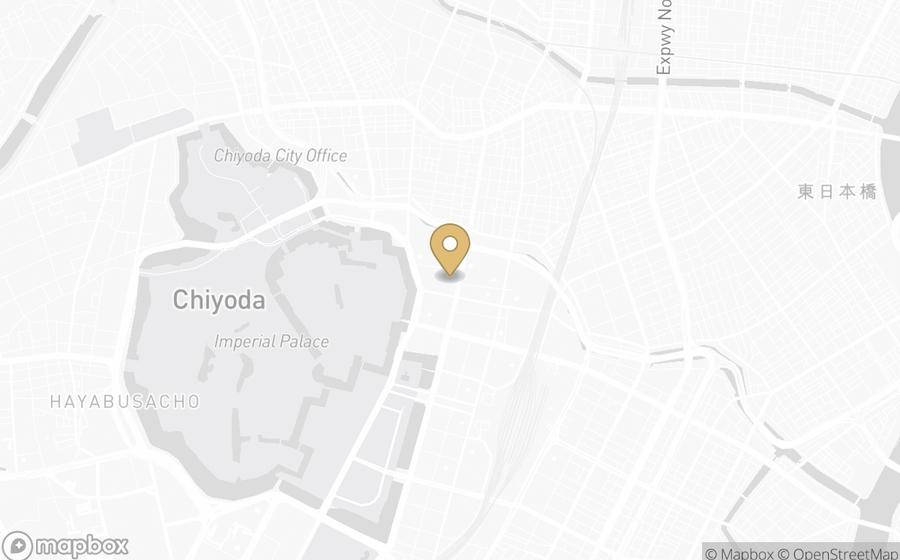
Tokyo, Japan
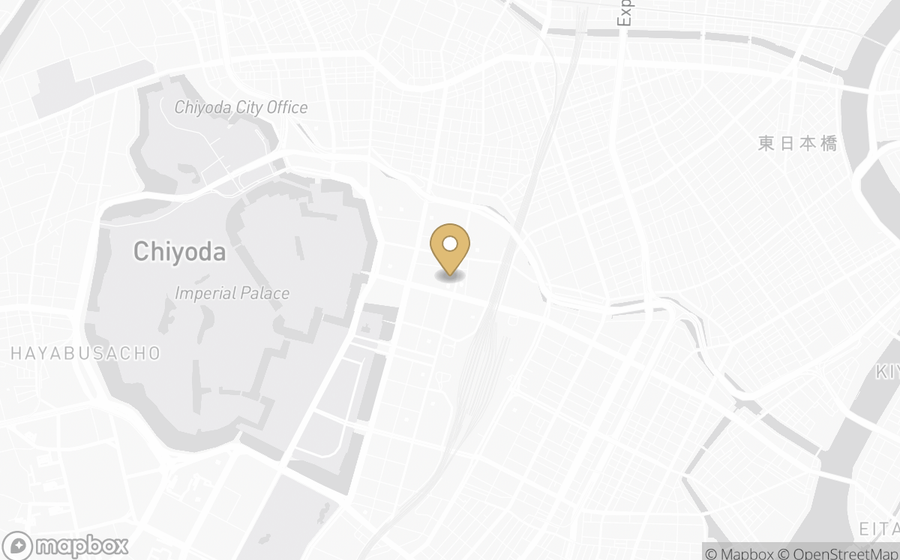
Tokyo, Japan
The Verdicts
Four Seasons Hotel Tokyo at Otemachi
A room here runs you well over $1,000 a night and what you actually get for it is service that keeps surprising people who've stayed at a dozen Four Seasons before. Guests get escorted to the 39th-floor lobby and checked in without ever standing at a desk, and the stories pile up: a front desk agent arranging an English-speaking doctor and off-menu chicken broth for a guest with food poisoning, a concierge team coordinating an entire week of reservations over WhatsApp before the flight even landed. The breakfast gets called the best in Tokyo often enough that it's worth building a morning around, and Virtu, the bar off the lobby, has a following of its own.
Where it gets more mixed: the rooms lean minimalist rather than warm, which a few guests flag as un-Four-Seasons, and the lobby sitting six floors up means two separate elevators to reach a room, which reads as fussy after a long flight. One guest found the spa's steel-lined pool and rules-heavy vibe more clinical than relaxing. And the address, ten minutes from Tokyo Station rather than in the middle of Ginza or Shibuya, splits opinion: some love the quiet, some call it inconvenient for transit despite the subway lines underneath the building. Janu Tokyo, the newer arrival at Azabudai Hills, comes up constantly as the alternative — better suites, weaker views, no age minimum at this pool versus most others.
Book it if you want a Tokyo base that treats you like a regular by day two and don't need to be in the middle of Shibuya's noise. The views of the Imperial Palace and, on clear days, Mount Fuji, are hard to argue with at any price.
Aman Tokyo
Book Aman Tokyo for the room and the view, not for the fantasy of being fussed over every hour. The 34th-floor lobby with its stone bath and impossibly high ceiling is the thing people describe first, and the suites back it up: floor-to-ceiling windows over the Imperial Gardens, some with Mount Fuji on a clear morning, and square footage that genuinely outsizes most Tokyo competitors. One guest called the space itself the reason to stay there, full stop, and after reading enough of these it's hard to argue.
The service is where the reviews split, and it's not a small split. Several guests describe being remembered by name and walked to their Shinkansen platform with help carrying bags. Others describe a restaurant that lost their dinner reservation and had to be reminded of their room number twice, or a front desk that quoted 20% of the nightly rate for one extra hour past checkout. The concierge comes up as a genuine weak spot too: multiple people needed weeks to get a reply, and one traveler ended up DMing a chef on Instagram to secure a table the hotel couldn't. Breakfast is inconsistent in the same way, with some calling the Japanese set one of their favorite hotel meals and others getting a flat egg dish with broken sauce that looked, in one blunt comparison, like a diner plate. None of it is disqualifying, but at this rate it should be closer to automatic.
At $1,200 to $5,000 a night depending on suite and season, this is for people who want the room and the calm more than they want a hotel that anticipates their next move. If proactive, remembers-your-drink-order service is the priority over square footage and that lobby, guests keep landing on the Bulgari down the road instead. For everyone else, the rooms alone are worth the trip, and Musashi's sushi counter is worth booking two nights in a row for.


Still torn between Four Seasons Hotel Tokyo at Otemachi and Aman Tokyo?
We're Sofie and Nicolas, the two of us behind Fat Voyage — and we've stayed in hotels like these ourselves. Tell us what the trip is and we'll tell you which one we'd book, and why. We're not a booking service, but a few times a year we plan one properly for someone; if that's what you're after, say so.
You'll be dealing with the two of us the whole way through, which is why we only take on a handful of trips at a time — if we're full, we'll say so. We reply by email, usually within one working day. The hotel pays us, not you: your rate is the same as booking direct, and the perks come on top.
Common questions
Which should I book — Four Seasons Hotel Tokyo at Otemachi or Aman Tokyo?
Four Seasons Hotel Tokyo at Otemachi: Guests describe front desk staff by name arranging surprise cakes, doctors, and window messages, with check-in often handled in the room itself. Aman Tokyo: The soaring stone lobby and the room dimensions keep getting singled out as the best part of the stay, even by people disappointed elsewhere. Overall, Four Seasons Hotel Tokyo at Otemachi is the stronger stay.
What's the difference between Four Seasons Hotel Tokyo at Otemachi and Aman Tokyo?
Both are Urban, Wellness, Design, Culinary and Japanese Design. Aman Tokyo adds Architecture. Four Seasons Hotel Tokyo at Otemachi is ahead on how you're looked after. Aman Tokyo is ahead on the rooms.
Which is better for service, Four Seasons Hotel Tokyo at Otemachi or Aman Tokyo?
Four Seasons Hotel Tokyo at Otemachi leads on this. Four Seasons Hotel Tokyo at Otemachi: Guests describe front desk staff by name arranging surprise cakes, doctors, and window messages, with check-in often handled in the room itself. Aman Tokyo: Some guests get remembered by name and walked to the train; others wait through a bungled dinner reservation or a curt late-checkout demand.
Which is better for wellness, Four Seasons Hotel Tokyo at Otemachi or Aman Tokyo?
Four Seasons Hotel Tokyo at Otemachi leads on this. Four Seasons Hotel Tokyo at Otemachi: The pool and onsen looking over the skyline are a recurring highlight, though one guest found the spa's steel tub and rules too clinical for comfort. Aman Tokyo: The pool overlooking the skyline and the spa floor get consistently singled out, with the gym also mentioned as well-equipped and quiet.
Where are Four Seasons Hotel Tokyo at Otemachi and Aman Tokyo?
Both are in Tokyo, about 322 m apart — close enough that the choice is the hotel, not the neighbourhood.
How does Fat Voyage compare Four Seasons Hotel Tokyo at Otemachi and Aman Tokyo?
Fat Voyage scores every hotel out of 20 across five dimensions — service, rooms & design, location, dining and wellness — from independent signals: the most active luxury travel communities, major editorial publications, and verified guest reviews, weighted by source credibility, depth and recency. Nothing is paid for, and no hotel can buy a place.