Side-by-side
Bulgari Hotel Tokyo vs Aman Tokyo
Bulgari Hotel Tokyo: People consistently name front desk and concierge staff by name for solving real problems, from a cancelled ANA flight to lost umbrellas at the pool. Aman Tokyo: The soaring stone lobby and the room dimensions keep getting singled out as the best part of the stay, even by people disappointed elsewhere.
Can't split them? Tell us the trip and we'll say which one we'd book — then book it at the same rate as direct, our perks attached.
Bulgari Hotels
Fat LegendBulgari Hotel Tokyo
A Bulgari-branded skyscraper hotel with 98 rooms directly above Tokyo Station.
Aman
Aman Tokyo
A serene sanctuary in the heart of Otemachi, blending traditional Japanese aesthetics with contemporary minimalism.
Strengths & trade-offs
Bulgari Hotel Tokyo
Strengths
- Front desk and concierge staff solve real problems, from rebooked flights to restaurant reservations made before arrival
- Direct indoor access to Tokyo Station and the shinkansen platform
- Building quality guests repeatedly single out: full sound isolation, floor-to-ceiling windows, thoughtful in-room tech
- Sushi Hoseki and the 45th floor bar are considered standouts for food and views
- Small scale (under 100 rooms) makes the hotel feel private even at full occupancy
Trade-offs
- Base suite categories have a glass door between bedroom and living area, a problem for families or anyone wanting privacy
- One diner who'd just spent $2,000 at the hotel's sushi restaurant was refused a table at the bar for not being a hotel guest
- Breakfast coffee quality gets singled out as a letdown against everything else on offer
- Some travelers question the value at these prices compared to Tokyo's excellent business hotels
Aman Tokyo
Strengths
- Soaring stone lobby with some of the largest suites in central Tokyo
- Imperial Garden and Mount Fuji views from upper-floor rooms
- Musashi's omakase counter, run by a chef who left his own Michelin restaurant to join Aman
- Skyline pool and spa floor consistently singled out as a highlight
- Walking distance to Tokyo Station and the Imperial Palace grounds
Trade-offs
- Concierge response times and reservation handling draw repeated complaints
- In-room breakfast quality swings from excellent to disappointing depending on the day
- Restaurant hours and late-checkout policy can feel rigid for the price
- Recognition and personalization inconsistent between visits
Scoreboard
| Dimension | Bulgari Hotel Tokyo/ 20 | Aman Tokyo/ 20 |
|---|---|---|
| Tier | Fat Legend | — |
| Overall Fat Score | 18 | Not in collection |
| Service | 18.5+4.5 People consistently name front desk and concierge staff by name for solving real problems, from a cancelled ANA flight to lost umbrellas at the pool. | 14 Some guests get remembered by name and walked to the train; others wait through a bungled dinner reservation or a curt late-checkout demand. |
| Design | 18.5Even Italian materials and Japanese craft in a tower on floors 40 to 45, with soundproofing and finishes multiple guests call the best they've seen. | 18.5Even The soaring stone lobby and the room dimensions keep getting singled out as the best part of the stay, even by people disappointed elsewhere. |
| Location | 18+1 Directly beside Tokyo Station with indoor access to the shinkansen platform and the underground mall, and an easy walk into Ginza. | 17 Steps from Tokyo Station and the Imperial Palace moat, though a few guests found the Otemachi business district quiet at night. |
| Dining | 17+3.5 | 13.5 Musashi's sushi counter gets real praise but in-room breakfast draws complaints about broken hollandaise and dry bacon, and restaurant hours are rigid. |
| Wellness | 16.5Even A pool, sauna and steam room guests describe as quiet and well kept, plus a spa massage more than one traveler calls among the best they've had. | 16.5Even The pool overlooking the skyline and the spa floor get consistently singled out, with the gym also mentioned as well-equipped and quiet. |
Where they differ
Only Bulgari Hotel Tokyo
Nothing the other doesn’t also offer.
Ahead on service +4.5 and dining +3.5.
Only Aman Tokyo
Nothing the other doesn’t also offer.
Where they sit

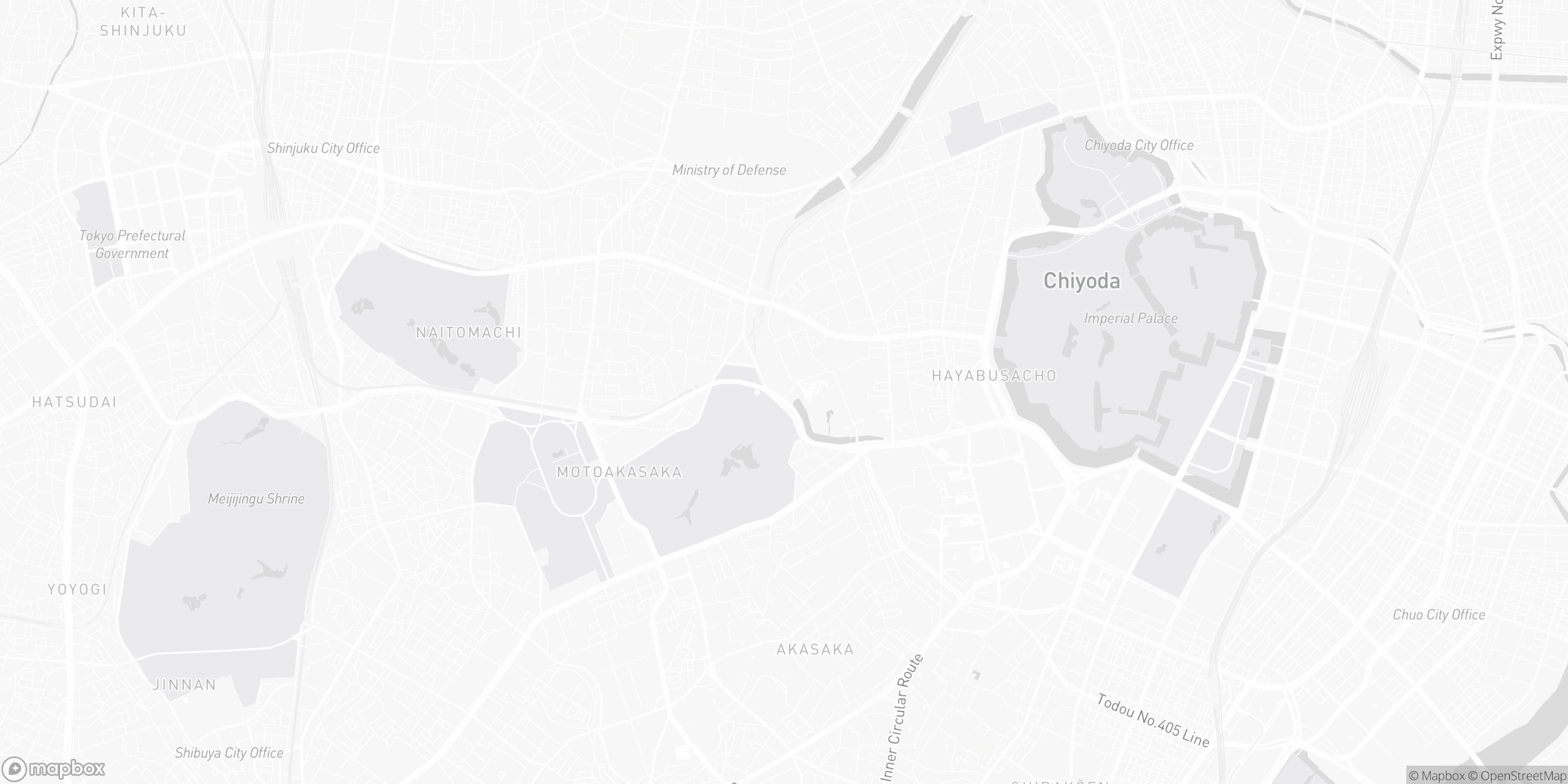
Tokyo, Japan

Tokyo, Japan
The Verdicts
Bulgari Hotel Tokyo
A room here starts north of $1,000 a night and can run past $10,000 for a weekend once you add suite categories and the pricier sake list, and what you get for it is a genuinely small, quiet hotel stacked on top of Tokyo Station. Check-in happens in your room. The lobby sits on the 40th floor, and the building itself, floor to ceiling windows, blackout curtains, walls that seem to absorb sound completely, gets called out by guests who've stayed at the Peninsula, the Ritz and Aman Tokyo and still rank this above them. The location is about as convenient as Tokyo gets: you can walk from the lobby to the shinkansen platform mostly indoors, with the Ginza shops a few minutes further.
The service is the real case for booking. One family had their ANA flight to Sapporo cancelled the night before departure, and the overnight concierge worked the phones for them, offered to hold their room, and met them with warmth when the rescheduled flight fell through too. That kind of problem-solving shows up over and over in different forms, from restaurant bookings handled before arrival to a couple walked personally through the underground maze to catch their train. The rooms lean small by Tokyo luxury standards, and the base suites have a glass door between bedroom and living area that's worth asking about if you're traveling with kids or want real privacy. One diner who wasn't staying the night also got turned away from the bar despite having just spent $2,000 at the hotel's own sushi restaurant, which sits oddly against everything else on record here.
This suits people who want a hotel that disappears into the trip rather than becomes the trip. If you want a home base for Tokyo Station access, a serious sushi dinner, and a team that solves problems before you've finished explaining them, book it.
Aman Tokyo
Book Aman Tokyo for the room and the view, not for the fantasy of being fussed over every hour. The 34th-floor lobby with its stone bath and impossibly high ceiling is the thing people describe first, and the suites back it up: floor-to-ceiling windows over the Imperial Gardens, some with Mount Fuji on a clear morning, and square footage that genuinely outsizes most Tokyo competitors. One guest called the space itself the reason to stay there, full stop, and after reading enough of these it's hard to argue.
The service is where the reviews split, and it's not a small split. Several guests describe being remembered by name and walked to their Shinkansen platform with help carrying bags. Others describe a restaurant that lost their dinner reservation and had to be reminded of their room number twice, or a front desk that quoted 20% of the nightly rate for one extra hour past checkout. The concierge comes up as a genuine weak spot too: multiple people needed weeks to get a reply, and one traveler ended up DMing a chef on Instagram to secure a table the hotel couldn't. Breakfast is inconsistent in the same way, with some calling the Japanese set one of their favorite hotel meals and others getting a flat egg dish with broken sauce that looked, in one blunt comparison, like a diner plate. None of it is disqualifying, but at this rate it should be closer to automatic.
At $1,200 to $5,000 a night depending on suite and season, this is for people who want the room and the calm more than they want a hotel that anticipates their next move. If proactive, remembers-your-drink-order service is the priority over square footage and that lobby, guests keep landing on the Bulgari down the road instead. For everyone else, the rooms alone are worth the trip, and Musashi's sushi counter is worth booking two nights in a row for.

Still torn between Bulgari Hotel Tokyo and Aman Tokyo?
We're Sofie and Nicolas, the two of us behind Fat Voyage — and we've stayed in hotels like these ourselves. Tell us what the trip is and we'll tell you which one we'd book, and why. We're not a booking service, but a few times a year we plan one properly for someone; if that's what you're after, say so.
You'll be dealing with the two of us the whole way through, which is why we only take on a handful of trips at a time — if we're full, we'll say so. We reply by email, usually within one working day. The hotel pays us, not you: your rate is the same as booking direct, and the perks come on top.
Common questions
Which should I book — Bulgari Hotel Tokyo or Aman Tokyo?
Bulgari Hotel Tokyo: People consistently name front desk and concierge staff by name for solving real problems, from a cancelled ANA flight to lost umbrellas at the pool. Aman Tokyo: The soaring stone lobby and the room dimensions keep getting singled out as the best part of the stay, even by people disappointed elsewhere.
What's the difference between Bulgari Hotel Tokyo and Aman Tokyo?
Both are Urban, Architecture, Design, Culinary, Wellness and Japanese Design. Bulgari Hotel Tokyo is ahead on how you're looked after.
Which is better for service, Bulgari Hotel Tokyo or Aman Tokyo?
Bulgari Hotel Tokyo leads on this. Bulgari Hotel Tokyo: People consistently name front desk and concierge staff by name for solving real problems, from a cancelled ANA flight to lost umbrellas at the pool. Aman Tokyo: Some guests get remembered by name and walked to the train; others wait through a bungled dinner reservation or a curt late-checkout demand.
Which is better for location, Bulgari Hotel Tokyo or Aman Tokyo?
Bulgari Hotel Tokyo leads on this. Bulgari Hotel Tokyo: Directly beside Tokyo Station with indoor access to the shinkansen platform and the underground mall, and an easy walk into Ginza. Aman Tokyo: Steps from Tokyo Station and the Imperial Palace moat, though a few guests found the Otemachi business district quiet at night.
Where are Bulgari Hotel Tokyo and Aman Tokyo?
Both are in Tokyo, about 781 m apart — close enough that the choice is the hotel, not the neighbourhood.
How does Fat Voyage compare Bulgari Hotel Tokyo and Aman Tokyo?
Fat Voyage scores every hotel out of 20 across five dimensions — service, design, location, dining and wellness — from independent signals: the most active luxury travel communities, major editorial publications, and verified guest reviews, weighted by source credibility, depth and recency. Nothing is paid for, and no hotel can buy a place.