

Side-by-side
Four Seasons Hotel Tokyo at Marunouchi vs Park Hyatt Tokyo
Four Seasons Hotel Tokyo at Marunouchi: Sitting right above Tokyo Station puts Ginza and the Narita Express within minutes. Park Hyatt Tokyo: The top-floor gym and spa get singled out for real equipment and multiple saunas, with the pool and its skyline view a recurring highlight.
Can't split them? Tell us the trip and we'll say which one we'd book — then book it at the same rate as direct, our perks attached.
Four Seasons
Fat ApprovedFour Seasons Hotel Tokyo at Marunouchi
A 57-room Four Seasons directly above Tokyo Station, steps from Ginza, known for standout staff rather than a new building.
Park Hyatt
Fat ApprovedPark Hyatt Tokyo
A high-rise Park Hyatt in Tokyo's Shinjuku district with upper-floor rooms offering views toward Mount Fuji.
Strengths & trade-offs
Four Seasons Hotel Tokyo at Marunouchi
Strengths
- Staff repeatedly go out of their way, escorting guests to shops or restaurants across town
- Concierge team (Keigo named repeatedly) excels at hard restaurant bookings
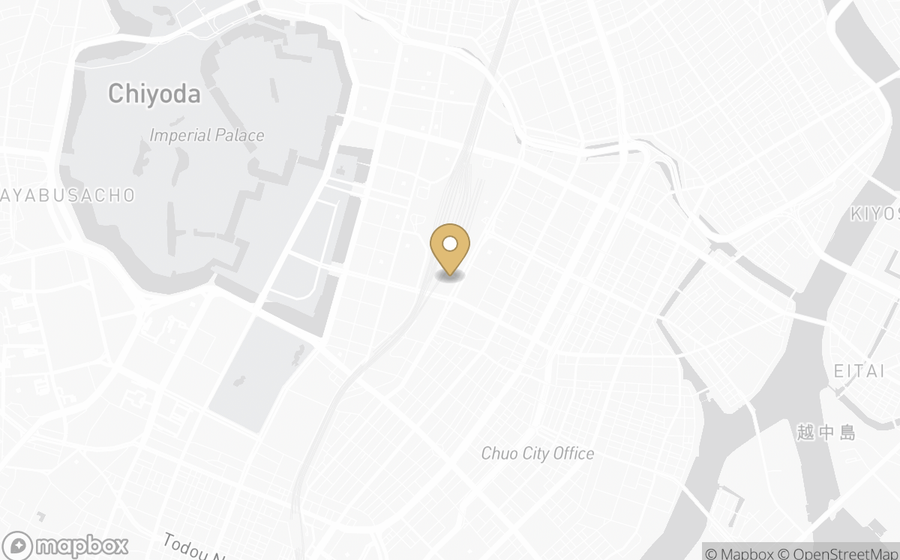
- Unmatched train station location: two minutes to Tokyo Station, walkable to Ginza
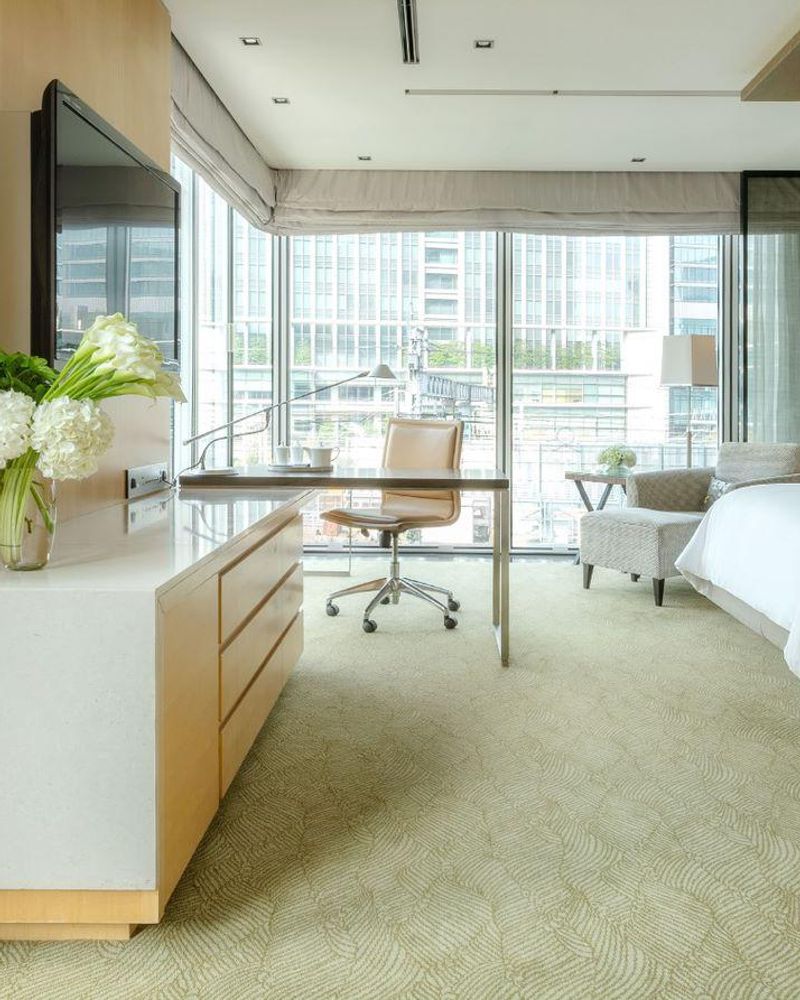
- Rooms overlooking the tracks turn Shinkansen-watching into a genuine highlight for families
- Maison Marunouchi and the bar consistently praised for food and service
Trade-offs
- Rooms and furnishings read as dated to a meaningful minority of recent guests
- No pool or gym on property
- Track-facing rooms can carry train noise despite soundproofing efforts
Park Hyatt Tokyo
Strengths
- Breakfast at Girandole ranks among Tokyo's finest hotel meals — Japanese set and buffet both exceptional
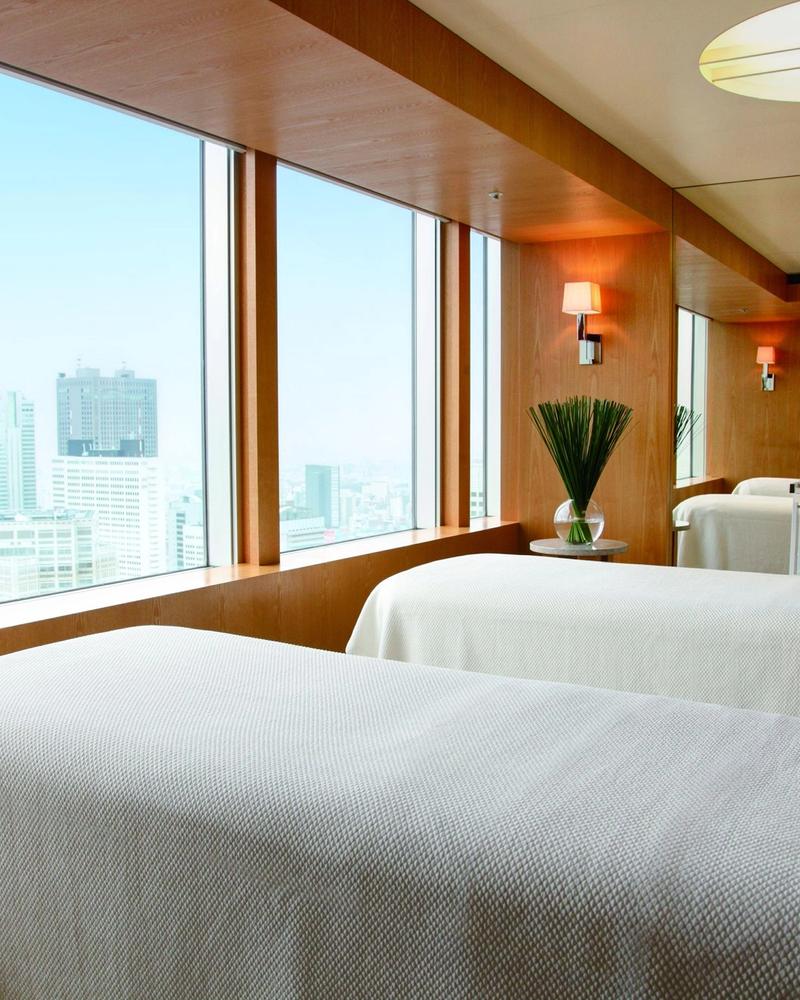
- Club on the Park spa and pool deliver a genuinely tranquil high-altitude sanctuary with skyline and Fuji views
- Rooms are among the largest in Tokyo, with deep soaking tubs and near-total street silence
- New York Bar and Grill remains one of the city's great atmospheric rooms — legendary for a reason
- Public spaces and curated art collection create an effortlessly unhurried atmosphere unlike newer, showier rivals
Trade-offs
- Service quality is inconsistent — pre-arrival communication lapses, absent turndown, and slow response times recur across multiple recent stays
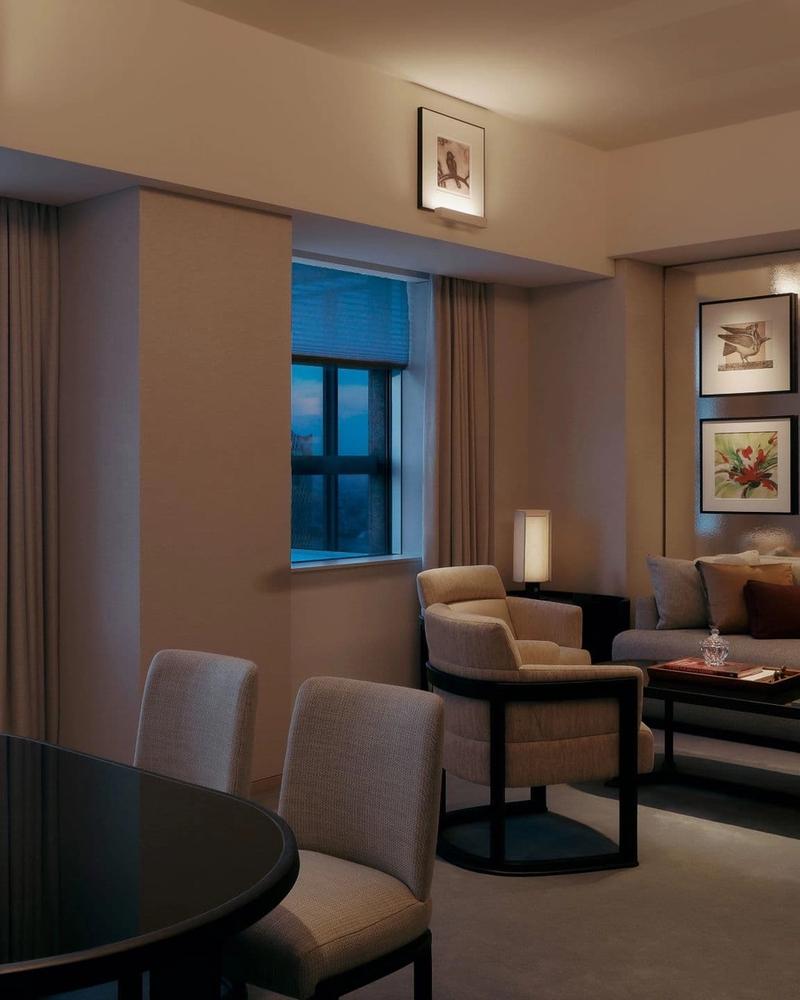
- Post-renovation rooms feel functional and comfortable but lack the design distinctiveness expected at this price point
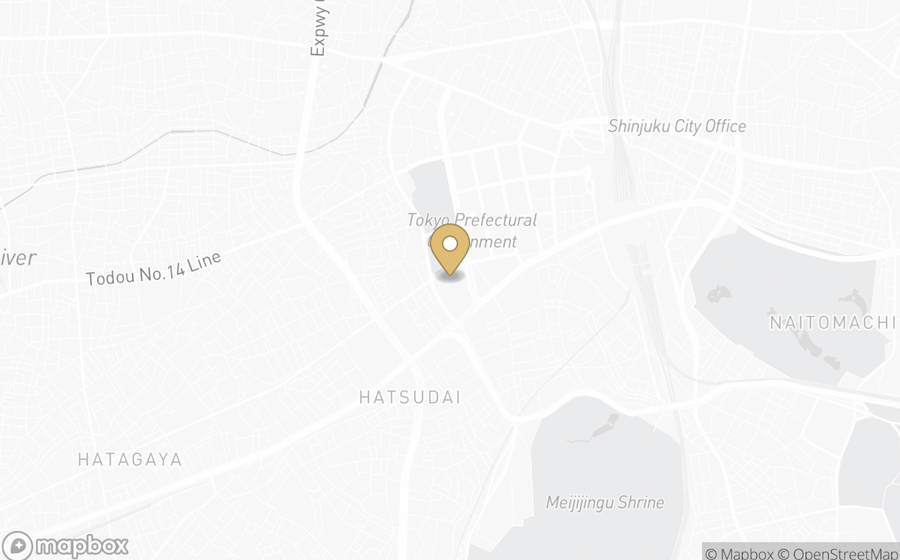
- Shinjuku location requires a shuttle to the station and can disorient first-time visitors; less walkable than Otemachi or Roppongi alternatives
Scoreboard
| Dimension | Four Seasons Hotel Tokyo at Marunouchi/ 20 | Park Hyatt Tokyo/ 20 |
|---|---|---|
| Tier | Fat Approved | Fat Approved |
| Overall Fat Score | 16.5+0.5 | 16 |
| Service | 18.5+3.5 Doormen and concierge greet guests by name and go out of their way, from birthday surprises to escorting a guest to a KitKat shop across town. | 15 Praise for the concierge and bellmen sits alongside recurring complaints of unanswered emails, no turndown, and waits over an hour for toiletries. |
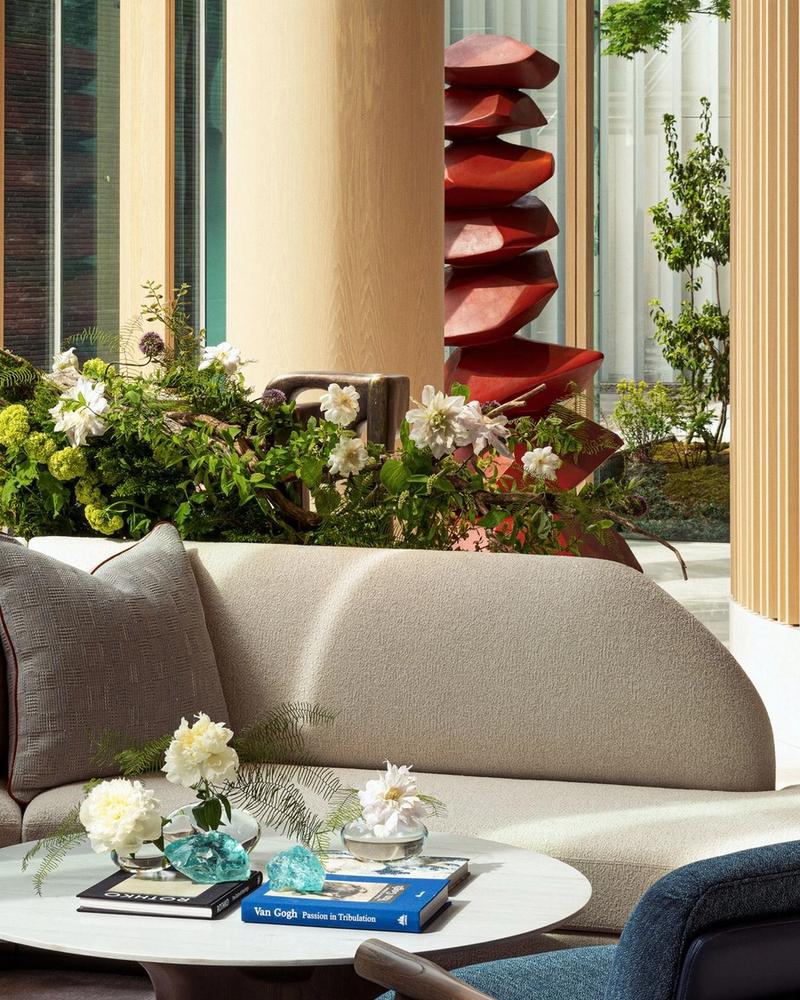
| Design | 14.5 Just 57 rooms give it an intimate, almost boutique feel, though several guests call the furniture and outlets dated for the price. | 15.5+1 Rooms are large and comfortable post-renovation, but plenty of guests find the palette so beige and generic it could be any city's 5-star. |
| Location | 19+4 Sitting right above Tokyo Station puts Ginza and the Narita Express within minutes, though a few rooms pick up train noise. | 15 The Shinjuku shuttle helps, but the hotel sits far enough from the station that several guests call it removed from everything else in the city. |
| Dining | 17.5 Maison Marunouchi wins praise for its Shinkansen views and staff like Taro, with room service (a biwa fruit gesture from Dimitri) matching it. | 18+0.5 The Japanese breakfast gets called some of the best anywhere, and New York Grill's food and view still draw people back on their own. |
| Wellness | 13.5 There's no pool or gym on site, which caught more than one guest off guard given the rate. | 17+3.5 The top-floor gym and spa get singled out for real equipment and multiple saunas, with the pool and its skyline view a recurring highlight. |
The Verdicts
Four Seasons Hotel Tokyo at Marunouchi
This is the small, older Four Seasons sitting directly above Tokyo Station, not the glassy 2020 build in Otemachi five minutes away, and travellers mix the two up constantly. The staff are the reason to book it. A concierge walked one guest to a shop across town for KitKats and waited while they shopped; another team escorted a family to a sushi restaurant late at night and talked the kitchen into a table. Keigo gets singled out for landing a Sezanne reservation one family called the best restaurant service they'd had anywhere. A manager once left a handwritten note for a three-year-old who'd spotted the rare Dr. Yellow Shinkansen. That's the level.
The trade-off is the building. At 57 rooms it's the smallest Four Seasons anywhere, and enough recent guests call the rooms dated — worn outlets, slow hot water, furniture that's overdue — that it's worth pricing in, even if one early-2025 account describing a bad smell and a broken showerhead reads as the extreme end of that complaint rather than the norm. There's no pool or gym on site, which matters if you want to work out on the trip. Rooms facing the tracks put you close enough to watch the Shinkansen pass a few feet away, genuinely thrilling for kids, though a few light sleepers say the soundproofing doesn't fully win.
Book this one for the location, two minutes to Tokyo Station and a ten-minute walk to Ginza, and for service that keeps outperforming hotels charging the same or more. If newer and glossier matters more to you than that, Otemachi is the better bet. If you want staff who know your name by the second morning, this is still delivering it in 2026.
Park Hyatt Tokyo
Since the December 2025 reopening, the case for booking hasn't really moved: the same oversized rooms Tokyo has always been short on, a spa floor with Fuji views that people keep calling the best in the city, and a breakfast at Girandole (the Japanese set over the Western, specifically) that guests describe as among the finest hotel meals they've had anywhere. The New York Bar and Grill still gets called one of the city's great rooms to sit in. Book it for Girandole, the spa floor, and the New York Bar — that part of the trip is not in question.
The renovated rooms are the one place the reviews disagree with the reputation: several 2026 stays call them "beige," comfortable but generic enough to pass for a good business hotel, at money that buys sharper design elsewhere in the city like Bulgari Tokyo. Service is the harder problem, because it isn't a matter of taste. One guest this year had pre-arrival emails go unanswered and no turndown across four nights, with amenities never restocked. Another in the same window was upgraded, greeted warmly, and remembered by name at breakfast. Both stays happened weeks apart at the same hotel, which is really the whole story: you can't predict which one you'll get.
Shinjuku's shuttle-to-station setup still throws first-timers, and a couple of guests doing repeat Tokyo trips said they'd pick Roppongi or Toranomon for a pure relaxation stay instead. None of that touches what's upstairs. If service consistency matters more to you than the room and the breakfast, price that in before you book — otherwise this is still worth the rate for what's on the top floors.


Still torn between Four Seasons Hotel Tokyo at Marunouchi and Park Hyatt Tokyo?
We're Sofie and Nicolas, the two of us behind Fat Voyage — and we've stayed in hotels like these ourselves. Tell us what the trip is and we'll tell you which one we'd book, and why. We're not a booking service, but a few times a year we plan one properly for someone; if that's what you're after, say so.
You'll be dealing with the two of us the whole way through, which is why we only take on a handful of trips at a time — if we're full, we'll say so. We reply by email, usually within one working day. The hotel pays us, not you: your rate is the same as booking direct, and the perks come on top.
Common questions
Which should I book — Four Seasons Hotel Tokyo at Marunouchi or Park Hyatt Tokyo?
Four Seasons Hotel Tokyo at Marunouchi: Sitting right above Tokyo Station puts Ginza and the Narita Express within minutes. Park Hyatt Tokyo: The top-floor gym and spa get singled out for real equipment and multiple saunas, with the pool and its skyline view a recurring highlight.
What's the difference between Four Seasons Hotel Tokyo at Marunouchi and Park Hyatt Tokyo?
Both are Urban, Culinary and Japanese Design. Four Seasons Hotel Tokyo at Marunouchi adds Family and Heritage; Park Hyatt Tokyo adds Wellness and Design. Four Seasons Hotel Tokyo at Marunouchi is ahead on where it puts you. Park Hyatt Tokyo is ahead on the spa.
Which is better for location, Four Seasons Hotel Tokyo at Marunouchi or Park Hyatt Tokyo?
Four Seasons Hotel Tokyo at Marunouchi leads on this. Four Seasons Hotel Tokyo at Marunouchi: Sitting right above Tokyo Station puts Ginza and the Narita Express within minutes, though a few rooms pick up train noise. Park Hyatt Tokyo: The Shinjuku shuttle helps, but the hotel sits far enough from the station that several guests call it removed from everything else in the city.
Which is better for service, Four Seasons Hotel Tokyo at Marunouchi or Park Hyatt Tokyo?
Four Seasons Hotel Tokyo at Marunouchi leads on this. Four Seasons Hotel Tokyo at Marunouchi: Doormen and concierge greet guests by name and go out of their way, from birthday surprises to escorting a guest to a KitKat shop across town. Park Hyatt Tokyo: Praise for the concierge and bellmen sits alongside recurring complaints of unanswered emails, no turndown, and waits over an hour for toiletries.
Where are Four Seasons Hotel Tokyo at Marunouchi and Park Hyatt Tokyo?
Both are in Tokyo, about 7.0 km apart — close enough that the choice is the hotel, not the neighbourhood.
How does Fat Voyage compare Four Seasons Hotel Tokyo at Marunouchi and Park Hyatt Tokyo?
Fat Voyage scores every hotel out of 20 across five dimensions — service, design, location, dining and wellness — from independent signals: the most active luxury travel communities, major editorial publications, and verified guest reviews, weighted by source credibility, depth and recency. Nothing is paid for, and no hotel can buy a place.