

Side-by-side
Claridge's vs The Connaught
Claridge's: The André Fu-designed spa and gym earn strong marks, with one therapist, Bandara, singled out by name for a standout treatment. The Connaught: The Connaught Bar's trolley-side martini, breakfast at Jean-Georges and dinner at Helene Darroze all get singled out as some of the best eating and drinking in the city.
Can't split them? Tell us the trip and we'll say which one we'd book — then book it at the same rate as direct, our perks attached.
Maybourne
Fat LegendClaridge's
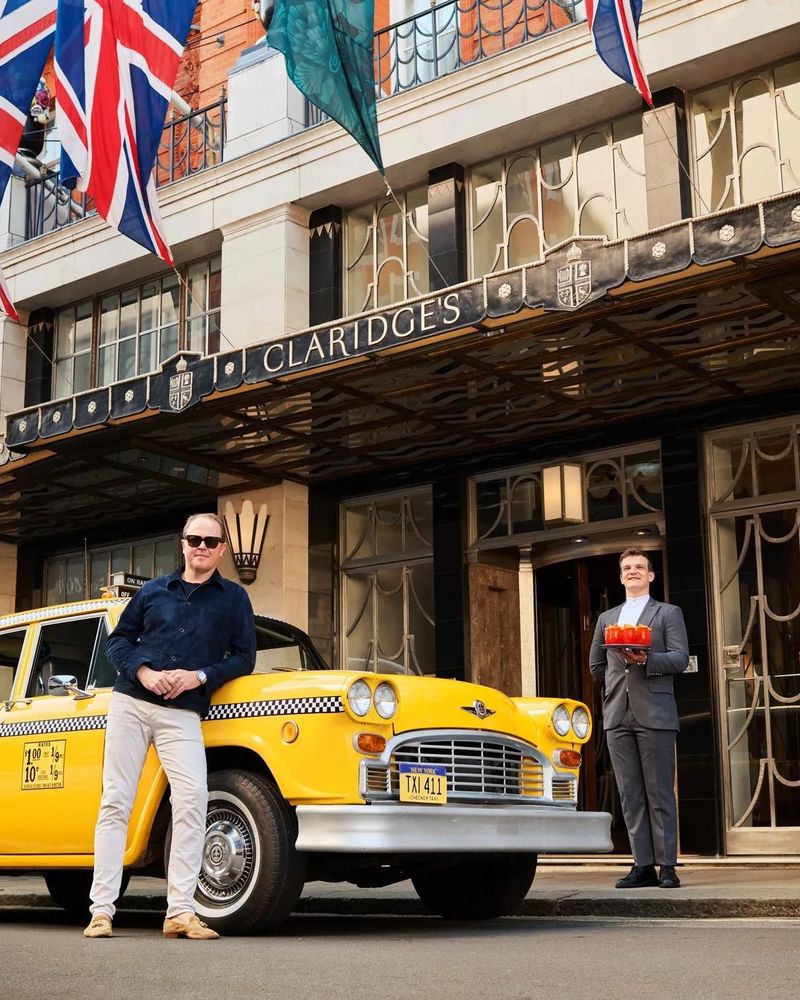
A Mayfair, London hotel known for its Art Deco style, with 269 rooms and suites and a below-ground André Fu-designed spa.
Maybourne
Fat LegendThe Connaught
A Maybourne hotel in Mayfair, London, set back from the street behind a small driveway.
Strengths & trade-offs
Claridge's
Strengths
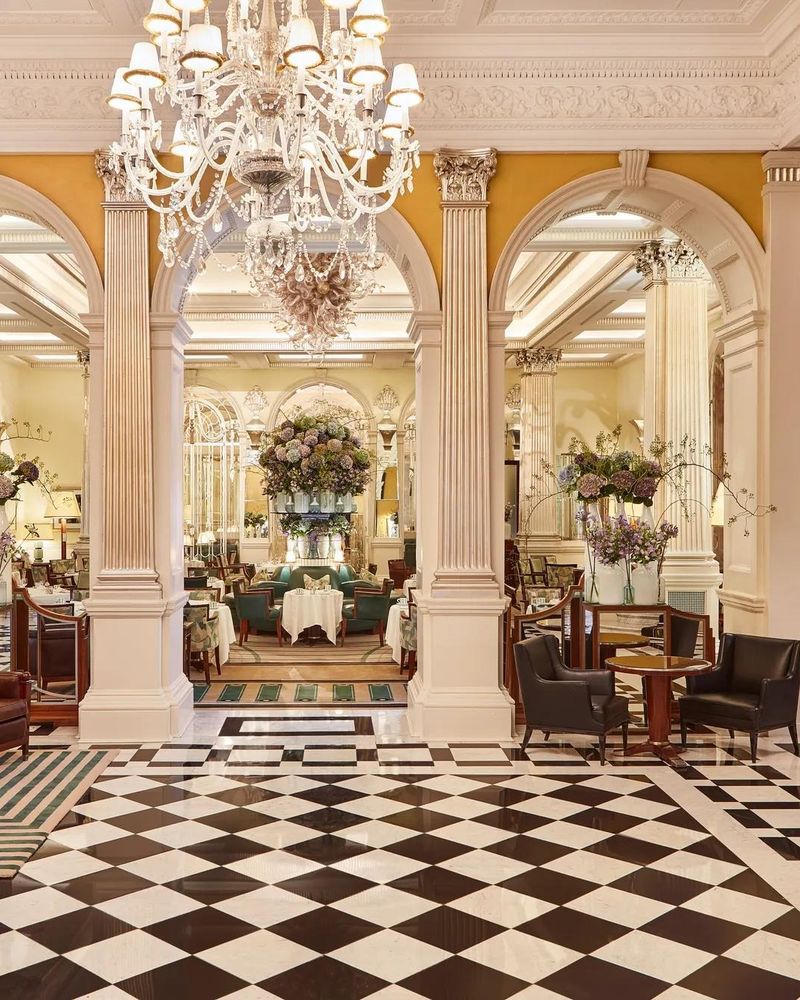
- Iconic Art Deco interiors with one of London's most atmospheric arrival sequences
- Service culture built on genuine warmth and long-tenured staff who personalize at every turn
- Unbeatable Mayfair location — walkable to Bond Street, Hyde Park, and London's best dining
- Afternoon tea in the Foyer widely considered the finest in London
- The Penthouse and Signature Suites represent the apex of London luxury accommodation
Trade-offs
- Pool in the spa is small and decorative — unsuitable for lap swimming
- Active construction outside the main entrance disrupts the street-level arrival
- Service consistency falters at scale — isolated but notable lapses in check-in and in-room protocols
- Some Signature Suite interiors feel more globally cosmopolitan than distinctly London
The Connaught
Strengths
- The Connaught Bar's trolley-side martini and deep vermouth selection
- Staff who learn guest names and preferences within a day or two
- Set back from the street on its own driveway, unusually quiet for central Mayfair
- Strong in-house dining across Jean-Georges and Helene Darroze
- Suites like the Elizabethan junior suite stand well above entry-level rooms
Trade-offs
- Entry-level rooms run small and vary in quality between renovated and older floors
- A strong floral scent in the lobby bothers a real share of guests
- No seating at the Connaught Bar itself, awkward for solo drinkers
- Occasional lapses in front-of-house manners despite the overall standard
Scoreboard
| Dimension | Claridge's/ 20 | The Connaught/ 20 |
|---|---|---|
| Tier | Fat Legend | Fat Legend |
| Overall Fat Score | 18Even | 18Even |
| Service | 17.5 Guests name individual staff by name for going out of their way, but recent reports flag doormen not opening doors and slow bag help. | 18+0.5 |
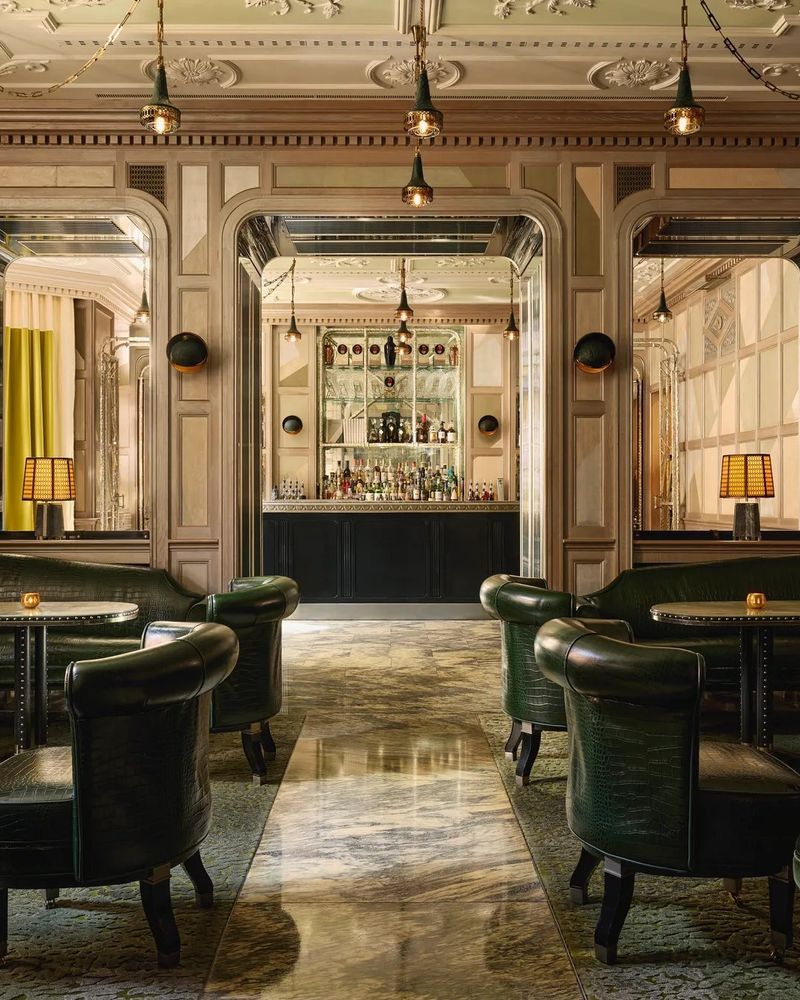
| Design | 18+1.5 The Art Deco rooms and communal spaces still draw the praise, though a few guests find the newest suites overdone next to the classic floors. | 16.5 Dark wood, four-poster beds and a newly redone Elizabethan junior suite draw praise, but entry-level rooms are small and one guest called a room old and musty. |
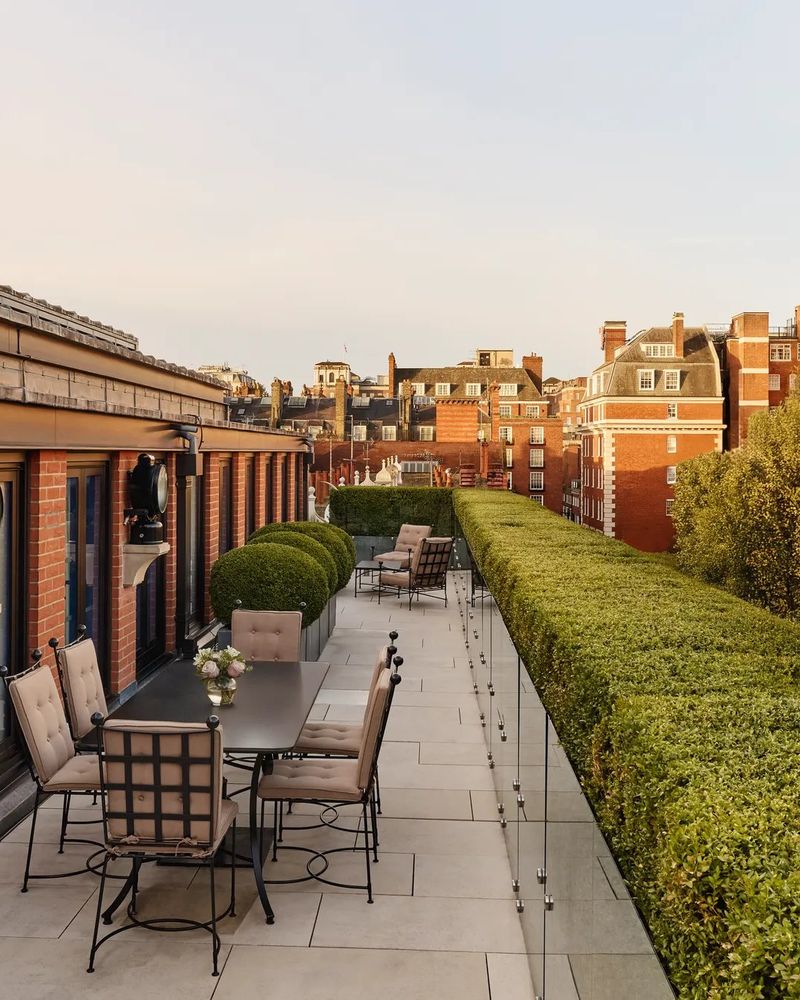
| Location | 18 Steps from Mayfair's shops and a walk to Hyde Park, though the construction across from the main entrance has become a real complaint. | 18.5+0.5 Tucked off the street down its own driveway in Mayfair, with Bond Street shopping and Hyde Park within walking distance and no traffic noise from outside. |
| Dining | 17.5 Afternoon tea regularly gets called the best in London, but a switched-out server or a lukewarm second pot can flatten the experience fast. | 18.5+1 The Connaught Bar's trolley-side martini, breakfast at Jean-Georges and dinner at Helene Darroze all get singled out as some of the best eating and drinking in the city. |
| Wellness | 16.5+2.5 The André Fu-designed spa and gym earn strong marks, with one therapist, Bandara, singled out by name for a standout treatment. | 14 The Aman Spa gets a specific mention for working out travel stress, but multiple people note the spa itself is small and it is not why anyone books this hotel. |
The Verdicts
Claridge's
Claridge's is the London hotel people mean when they say a place still feels run by humans, not a system. A tea server named Marius brought Nutella for a granddaughter's scones when the table only had jam. A night manager, Tony, and the director of rooms, Pierpaolo, sorted a billing mishap at midnight and turned a bad start into a stay the guests wrote home about. The staff are what you're paying for, more than the Basil Ionides staircase or the Art Deco lobby everyone photographs on the way in — long-serving people who seem to actually want to know you, not just serve you.
It isn't flawless, and recent enough to weigh honestly. One guest was blocked from her own room over a billing error the hotel had already made, then told it hadn't happened. Another was promised a priority slot for an early arrival and watched five later guests check in first. One party asked staff not to re-make a bed; six people came through their room anyway before they got any peace. The spa pool is a wading pool, fine for a soak, useless for laps, so don't book the spa expecting to swim. And there's active construction outside the main entrance right now — loud enough that some travellers are steering friends to the Connaught instead, though guests actually staying report their rooms stay quiet regardless.
The Penthouse and the Signature Suites, several by André Fu, are genuinely the top of what London offers at this size and price, though a few people find the newer ones feel more like an expensive suite anywhere than distinctly London. That's a matter of taste, not a defect. Book it for the tea in the Foyer and staff who still know your name; just know there's scaffolding at the door for now.
The Connaught
The Connaught costs a genuine splurge, and what arrives for it is one of the most complete hotel experiences in London: a £30-plus martini poured tableside from a trolley, breakfast at Jean-Georges, dinner at Helene Darroze, and a Mayfair address tucked down its own driveway so nothing outside is louder than the doorman. People who've stayed at Claridge's the night before keep saying the Connaught is the one that actually stops them, not the grander lobby next door. The staff learn names fast: guests report being greeted by people they hadn't formally met by their second day, and one review mentions a doorman who'd worked there 42 years.
It isn't flawless, and the flaws are worth pricing in rather than ignoring. The entry-level rooms are small by five-star standards and some guests find the recent redecoration heavy and masculine rather than warm; one long-time regular called her room old and musty. The lobby's floral scent bothers a real number of people, enough that a couple traveling with kids chose to stay elsewhere after smelling it. And service, while excellent almost everywhere else, isn't bulletproof: one visitor got laughed at by a doorman over something as small as a phone charge, and another longtime regular was asked to leave over a takeaway coffee, an incident a manager apologized for but couldn't undo. The bar has no seats, which matters if you drink alone.
Book it for the food and the bar more than for the room itself, since the suites vary more in quality than the public spaces do. First-timers should ask for a recently renovated room rather than assume consistency; solo drinkers who want a stool might prefer somewhere else. For everyone chasing that specific old-Mayfair mood, with staff who remember the mango you like by day two, nothing else in the city does it quite this well.


Still torn between Claridge's and The Connaught?
We're Sofie and Nicolas, the two of us behind Fat Voyage — and we've stayed in hotels like these ourselves. Tell us what the trip is and we'll tell you which one we'd book, and why. We're not a booking service, but a few times a year we plan one properly for someone; if that's what you're after, say so.
You'll be dealing with the two of us the whole way through, which is why we only take on a handful of trips at a time — if we're full, we'll say so. We reply by email, usually within one working day. The hotel pays us, not you: your rate is the same as booking direct, and the perks come on top.
Common questions
Which should I book — Claridge's or The Connaught?
Claridge's: The André Fu-designed spa and gym earn strong marks, with one therapist, Bandara, singled out by name for a standout treatment. The Connaught: The Connaught Bar's trolley-side martini, breakfast at Jean-Georges and dinner at Helene Darroze all get singled out as some of the best eating and drinking in the city.
What's the difference between Claridge's and The Connaught?
Both are Urban, Heritage, Architecture, Culinary and Romantic. Claridge's adds British. Claridge's is ahead on the spa. The Connaught is ahead on the food.
Which is better for wellness, Claridge's or The Connaught?
Claridge's leads on this. Claridge's: The André Fu-designed spa and gym earn strong marks, with one therapist, Bandara, singled out by name for a standout treatment. The Connaught: The Aman Spa gets a specific mention for working out travel stress, but multiple people note the spa itself is small and it is not why anyone books this hotel.
Which is better for design, Claridge's or The Connaught?
Claridge's leads on this. Claridge's: The Art Deco rooms and communal spaces still draw the praise, though a few guests find the newest suites overdone next to the classic floors. The Connaught: Dark wood, four-poster beds and a newly redone Elizabethan junior suite draw praise, but entry-level rooms are small and one guest called a room old and musty.
Where are Claridge's and The Connaught?
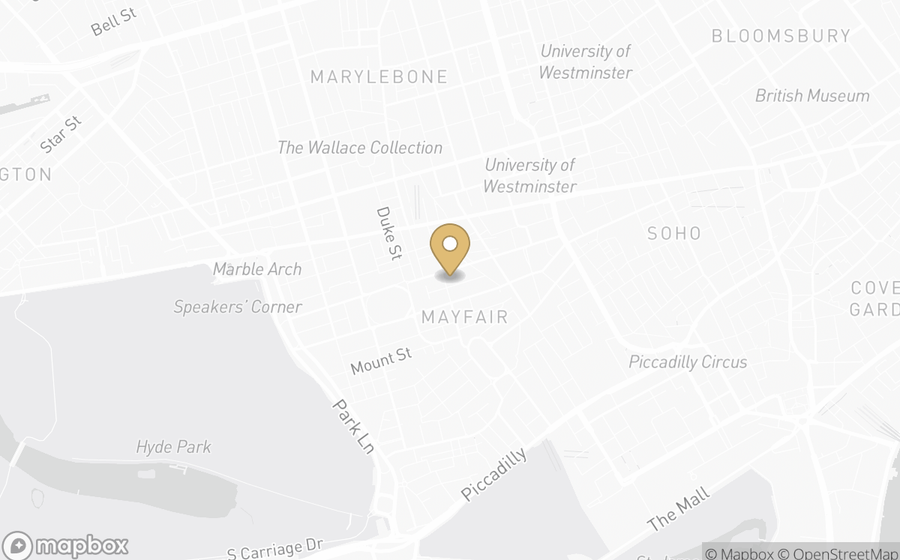
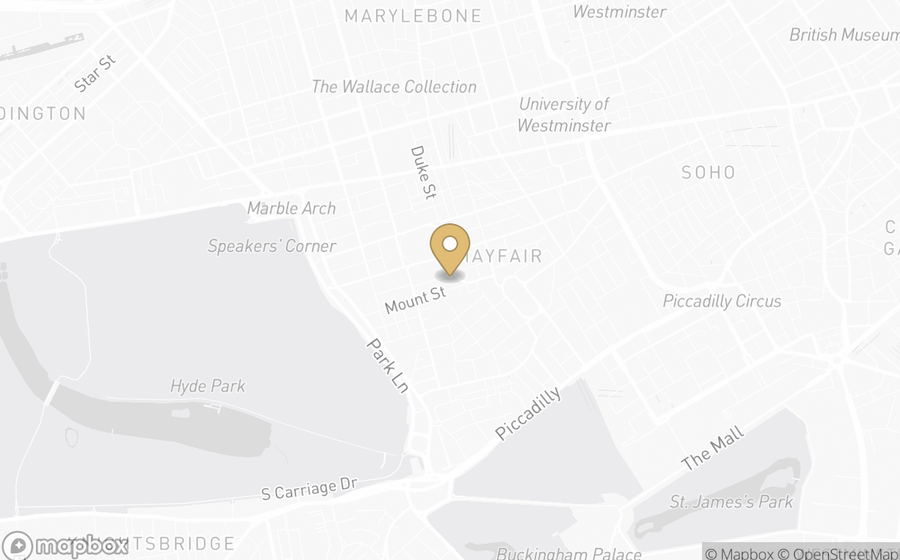
Both are in London, about 277 m apart — close enough that the choice is the hotel, not the neighbourhood.
How does Fat Voyage compare Claridge's and The Connaught?
Fat Voyage scores every hotel out of 20 across five dimensions — service, design, location, dining and wellness — from independent signals: the most active luxury travel communities, major editorial publications, and verified guest reviews, weighted by source credibility, depth and recency. Nothing is paid for, and no hotel can buy a place.