
Mayfair
The address people picture when they say London luxury: Bond Street shopping, half this list within a short walk of each other, old houses and new glass sitting a few streets apart.
City guidesUnited Kingdom
London will sell you a view, a price and a famous name, but the thing people actually come back for is the staff who remember them. The Lanesborough and COMO The Halkin do that better than anyone in the city, the newer builds like The Emory and the Chancery have the best rooms by a wide margin, and almost nobody who’s tried both still argues the new ones win on service.
15 hotels in the collection Updated 12 Oct 2026
The top five, in Fat Score order
 Fat Favorite, 17.5 out of 20. 1 COMO The Halkin
 Fat Favorite, 17.5 out of 20. 2 The Lanesborough
 Fat Favorite, 17 out of 20. 3 The Connaught
 Fat Favorite, 17 out of 20. 4 The Peninsula London
 Fat Favorite, 17 out of 20. 5 Belmond The Cadogan
We read 1,215 reports on these 15 hotels to write this guide: trip reports from the most active luxury travel communities, critics’ reviews and verified guest reviews.
The Connaught, Claridge’s, The Lanesborough and The Berkeley have been doing this since before the term luxury travel existed, and it shows in the staff: doormen who move your bags before you ask, butlers who send flowers to a sick relative without being told to. The Emory and The Chancery Rosewood are the opposite bet, Richard Rogers glass and Joseph Dirand interiors against rooms double the size of anything at Claridge’s, but both are still finding their footing on service a year or two into opening. Neither side is wrong. One sells thirty years of institutional memory, the other sells a better bathroom and more square footage for the same four-figure rate.
At £900 to £1,400 a night you’re not buying square footage so much as you’re buying what happens when something goes wrong. A missed flight gets rebooked with no drama at COMO The Halkin. A broken air conditioner at midnight gets fixed with an upgrade at Four Seasons Tower Bridge. That’s the real differentiator between a 16.5 and a 17.5 in this city: not the thread count, the recovery. Consistency is the weak spot. The Berkeley and Mandarin Oriental Mayfair both get genuine praise for individual staff and genuine complaints about upkeep or unstaffed desks in the same stretch of reviews, often within the same month.
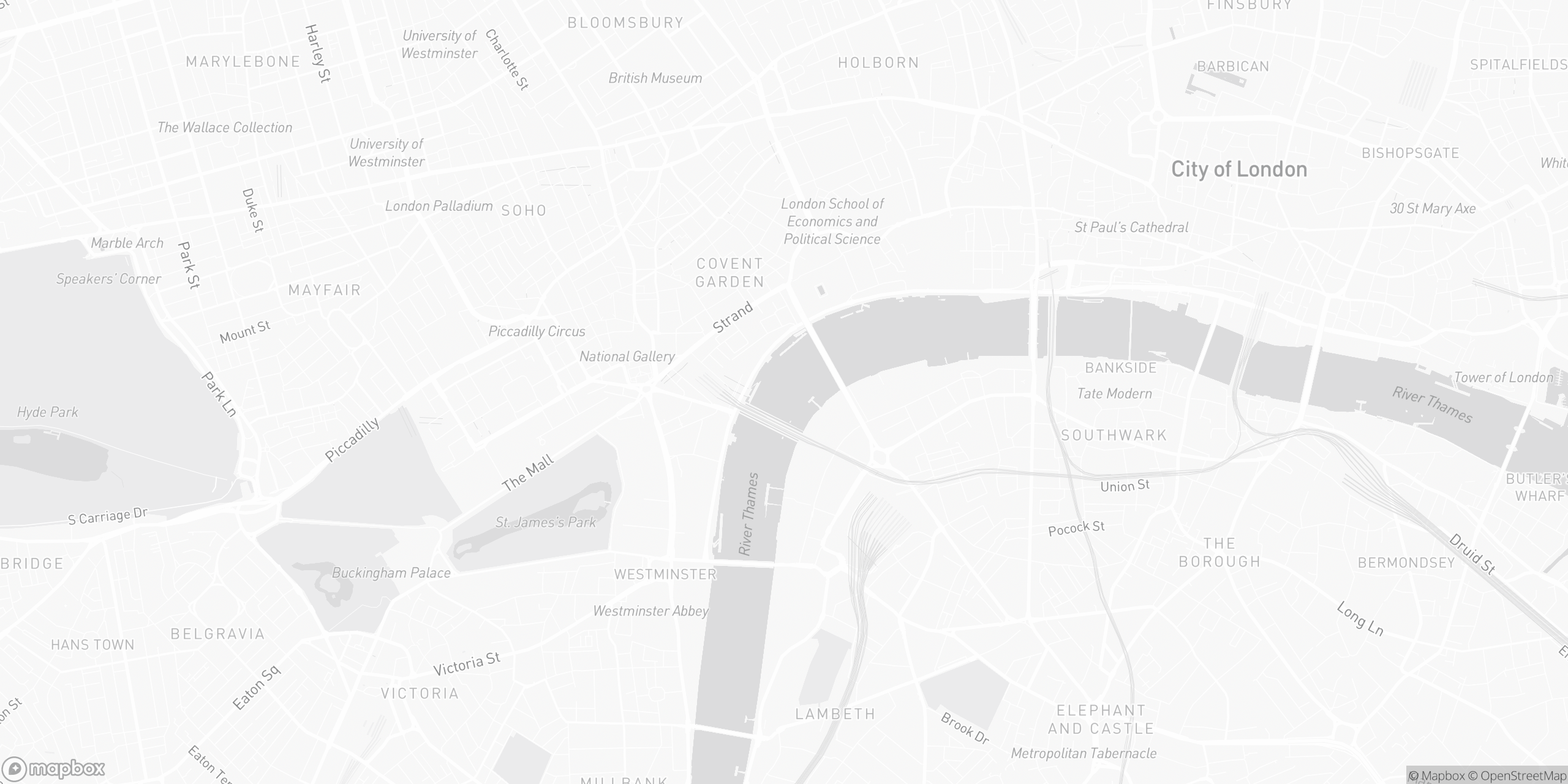
Mayfair (Claridge’s, The Connaught, The Emory, The Chancery) puts you inside the postcode people picture when they say London luxury: Bond Street on foot, a five-minute walk between half this list’s hotels. Knightsbridge (The Berkeley, Mandarin Oriental Hyde Park, COMO Metropolitan) trades a touch of that address for Hyde Park on your doorstep and Harrods at the end of the street. Belgravia and Chelsea (COMO The Halkin, Belmond The Cadogan) are quieter again, residential streets near embassies, a five-minute walk from either neighbourhood above. None of this is a downgrade. It’s a choice about whether you want to be in the middle of things or a ten-minute walk from them.
Design-first is its own category now, and it’s worth naming separately from heritage. The Peninsula London cost a reported billion pounds to build and it shows in a base room with a walk-in closet and a Toto washlet most hotels save for their top suite. The Chancery turned a brutalist former US embassy into something with walnut and rare green marble. These are the rooms to book if the room itself is the point of the trip, not the lobby, not the history, the room.
The Connaught Fat Favorite
The martini trolley, Helene Darroze upstairs, and a bar team that greets returning guests by name. Ask what’s been renovated before you pick a room category, since the refurb has moved through the building unevenly.
The Lanesborough Fat Favorite
Butlers who remember preferences across visits, a doorman who knows you by the second stay, and a quiet that holds even on a traffic corner. The maximalist Regency decor is a real preference, not a flaw, so know what you’re booking into.
The Peninsula London Fat Favorite
A base Deluxe or Premier room with a walk-in closet and double-sink bathroom most hotels reserve for suites, plus Peninsula Time’s flexible check-in and a free house fleet of Rolls-Royces within two miles.
COMO The Halkin Fat Favorite
Forty-one rooms, a concierge who rebooked a missed-flight guest on the spot, and a breakfast and afternoon tea that stand on their own. No spa and no scene, which is exactly the point for some people.
The Chancery Rosewood London Fat Favorite
Joseph Dirand’s interiors inside a former embassy, suites over 570 square feet even at the entry level, and an 18-metre basement spa most Mayfair hotels can’t fit. Service is still finding its rhythm a year in, so go in expecting individual brilliance rather than institutional polish.
Four Seasons Hotel London at Park Lane Fat Favorite
Blackout curtains that work, staff who learn a kid’s name by morning two, and Hyde Park and Green Park both within a couple of minutes’ walk. Ask for a park-facing room; the rear ones look onto a car park.
Four Seasons Hotel London at Tower Bridge Fat Favorite
A former Port of London Authority building with five-metre ceilings and a genuinely excellent 18,000-square-foot spa, 30 minutes by Uber from Mayfair. Worth it if quiet and square footage matter more than being in the thick of things.
In Fat Score order
The address people picture when they say London luxury: Bond Street shopping, half this list within a short walk of each other, old houses and new glass sitting a few streets apart.

Hyde Park at one end of the street, Harrods at the other. Slightly less central than Mayfair but the trade is real green space on your doorstep.

Quiet residential streets near embassies, a five to ten-minute walk from either Mayfair or Knightsbridge, built for people who’d rather not be in the middle of the noise.

Where the newest builds landed: the Mandarin Oriental Mayfair shares a Park Lane-adjacent entrance with its residences, a quieter, more residential stretch than the Claridge’s end of the neighbourhood.

Tower Bridge and the Tower of London on the doorstep, the tube a minute away, but Mayfair and Soho are a real 30-minute Uber if that’s why you’re in London.
What people agree on, what they argue about, and the tips worth knowing.
Ask the well-travelled crowd where to stay in London and The Connaught and Claridge’s come up constantly, often in the same breath as each other, with people who’ve stayed at both genuinely torn. The Lanesborough gets a smaller but fiercer following: people who’ve cycled through the Connaught, Rosewood and the OWO still say it’s the one that feels like home. The Berkeley and The Emory draw real loyalty too, mostly from people who’ve stayed recently enough to catch the current run of form, which matters more here than brand name alone.
The Chancery splits people hard, and it’s almost always about taste rather than quality: those who want old-world character call it soulless, those who want modern design call it the best new room in the city. Mandarin Oriental Mayfair versus Mandarin Oriental Hyde Park comes up constantly too, with most people landing on Hyde Park for character and Mayfair for the newer, quieter build, though a construction site next door has been a recent sore point for Mayfair. And there’s a standing argument about whether London’s grand hotels deliver service that actually matches the rate, with some well-travelled guests calling the big legacy names surprisingly ordinary compared to what the same money buys elsewhere.
Several seasoned guests steer families toward The Berkeley specifically for the rooftop pool and The Lanesborough for the resident house cat and children’s butler experience, while warning that The Berkeley’s pool gets crowded enough to turn families away at peak times. For bars, Scarfes at Rosewood London and the Connaught Bar both get named as destinations worth visiting even without a room booked, and the Chancery’s Eagle Bar is the newest entry into that conversation. On tours and transfers: more than one guest has learned the hard way that a hotel-arranged tour can run five times what the same operator charges booked directly.
The boutique crowd on the smaller-hotel side of these forums leans hard toward Firmdale’s townhouses (Ham Yard, Charlotte Street, Number Sixteen) and a cluster of independents like The Franklin, Belmond doesn’t own the only townhouse game in Chelsea. None of those cleared our bar for this guide, but they’re worth knowing about if the hotels above feel too large or too formal for the trip you’re planning.
Helene Darroze at The Connaught and Dinner by Heston Blumenthal at Mandarin Oriental Hyde Park are the two sit-down destinations worth building a night around regardless of where you’re staying. Cedric Grolet’s patisserie at The Berkeley is close to mandatory for breakfast even if you’re not a guest there, and the Mirror Room’s Monet-themed afternoon tea at Rosewood London gets named ahead of several hotels’ own in-house teas. For a bar crawl rather than a sit-down meal: the Connaught Bar, Scarfes at Rosewood, and the Chancery’s Eagle Bar cover three very different moods within a short cab ride of each other.
Hyde Park anchors most of this list geographically, and several hotels (The Lanesborough, Four Seasons Park Lane, Mandarin Oriental Hyde Park) sit close enough that a morning walk through it is part of the stay rather than an excursion. Harrods and the King’s Road are the default Knightsbridge afternoon, Bond Street the Mayfair equivalent. A day trip to Bath, about ninety minutes by train, comes up often among people splitting a London stay in two, particularly for anyone with a Bridgerton fan in the party.
Most of this list clusters within a 20-minute walk of each other across Mayfair, Knightsbridge, Belgravia and Chelsea, so a cab is rarely essential inside that zone. Four Seasons Tower Bridge is the clear outlier: the Tower of London is on its doorstep but Mayfair is a genuine 30-minute Uber, worth factoring in if you’re planning to move between neighbourhoods most nights. The Elizabeth line makes Heathrow transfers from the Mayfair hotels unusually fast, about 40 minutes door to door from Mandarin Oriental Mayfair.

Pick the era first, not the postcode. If you want three decades of institutional memory and staff who treat problem-solving as the whole job, The Connaught or The Lanesborough will outperform anything newer on that specific measure, decor preferences aside. If you want the best physical room in the city and don’t need history behind it, The Peninsula or The Chancery will beat every legacy address on space and finish, with the understanding that service at the newer builds is still settling into a rhythm. Everyone else in between, The Berkeley, Claridge’s, the Mandarin Orientals, earns its place on a genuine strength (the rooftop pool, the Art Deco rooms, the staff) alongside a real and specific catch worth reading before you commit to a room category.
Spring and early autumn get the best weather-to-crowd ratio, with April through June and September through October the stretch most frequently mentioned for a first visit. December brings Christmas decorations that Claridge’s and The Connaught both treat as a genuine production worth timing a trip around, though rates climb and breakfast rooms get busier. January and February are the quietest and cheapest months, which also means the best shot at a room upgrade or a rate that moves if you ask.
We’re Sofie and Nicolas, and we stay in these hotels ourselves. Tell us what the trip is and we’ll say where we’d put you in London, and what we’d do with the rest of it. We’re not a booking service, but a few times a year we plan one properly for someone; if that’s what you’re after, say so.
It's just the two of us, so we take on a handful of trips at a time. If we're full, we'll say so. We reply within a working day. The hotel pays us, not you: your rate is the same as booking direct, and the perks come on top.
COMO The Halkin and The Lanesborough both score highest in our London coverage at 17.5/20, the Halkin for a 41-room townhouse where staff resolve real problems without fuss, the Lanesborough for butler service and quiet that holds despite sitting on Hyde Park Corner. The Connaught, The Berkeley, The Peninsula London, Belmond The Cadogan and Mandarin Oriental Hyde Park follow close behind at 17/20, each distinguished by one genuine standout: the Connaught’s bar and restaurants, the Berkeley’s doormen and spa, the Peninsula’s rooms and house car fleet.
The Lanesborough and COMO The Halkin come up most consistently for staff who solve real problems, from a missed-flight rebooking handled on the spot to a butler sending flowers to a hospitalised relative unasked. The Connaught and The Berkeley aren’t far behind, both with named doormen and bar staff who get credited by returning guests.
Mayfair puts you closest to Bond Street and the highest concentration of hotels on this list within walking distance of each other. Knightsbridge trades a touch of that centrality for direct access to Hyde Park and Harrods at the end of the street; neither is a downgrade, it’s a question of which you’ll actually use.
Claridge’s wins on history, Art Deco character and an afternoon tea that still outranks most of the city; The Chancery wins on room size and modern design, with suites running well over 570 square feet even at entry level. Go to Claridge’s for old-world Mayfair done properly, The Chancery if you’d rather have the space and don’t need three decades of polish behind the staff.
The Lanesborough and The Berkeley both run strong family programs, the Lanesborough with a children’s butler experience and resident house cat, the Berkeley with a rooftop pool and baby amenities arranged without being asked twice, though that pool gets crowded enough to turn families away at peak times. Four Seasons Park Lane is the quieter alternative, built around Hyde Park access and blackout curtains that actually work after a long flight.
The Connaught Bar is the one people cross the city for, trolley-side vermouth service included, even without booking a room. Scarfes Bar at Rosewood London and the Chancery’s Eagle Bar, set beside a rescued rooftop eagle sculpture from the building’s embassy days, are the other two most frequently named as destinations in their own right.
14 hotels in London in our collection hold Michelin Keys in the Michelin Guide’s 2026 hotel selection. Three Keys: The Connaught; The Peninsula London; Mandarin Oriental, London (Hyde Park); and Claridge’s. Two Keys: The Lanesborough; Belmond The Cadogan; The Berkeley; Four Seasons Hotel London at Park Lane; Mandarin Oriental Mayfair, London; The Chancery Rosewood London; and Rosewood London. One Key: COMO The Halkin, The Emory and Four Seasons Hotel London at Tower Bridge. The Keys come from the guide’s own anonymous inspections and are separate from the Fat Score.