Each of Tokyo’s top hotels is built for a different trip, so the usual “which is best” question doesn’t really work here. Four Seasons Otemachi and Mandarin Oriental will remember your coffee order by the second morning; Aman and the Park Hyatt sell you a room and a view and let you fend for yourself. Figure out which one you want before you look at a single room rate.
7 hotels in the collection, 3 of them Fat LegendsUpdated 12 Oct 2026
We read 578 reports on these 7 hotels to write this guide: trip reports from the most active luxury travel communities, critics’ reviews and verified guest reviews.
The lay of the land
Service is the real split
The single clearest fault line across Tokyo’s top hotels isn’t price or location, it’s whether the staff anticipate you or just respond to you. Four Seasons Otemachi, Mandarin Oriental, Bulgari and the tiny Four Seasons Marunouchi all generate the same kind of story: a doctor arranged at midnight, a lost golf club replaced before checkout, a birthday cake nobody asked for. Aman Tokyo and the Park Hyatt generate a different kind of story, the room and the view carrying the stay while the concierge takes weeks to answer an email or loses a dinner reservation. Neither approach is wrong. One just costs you some hand-holding you didn’t know you wanted until it’s gone.
Tokyo Station is the real address
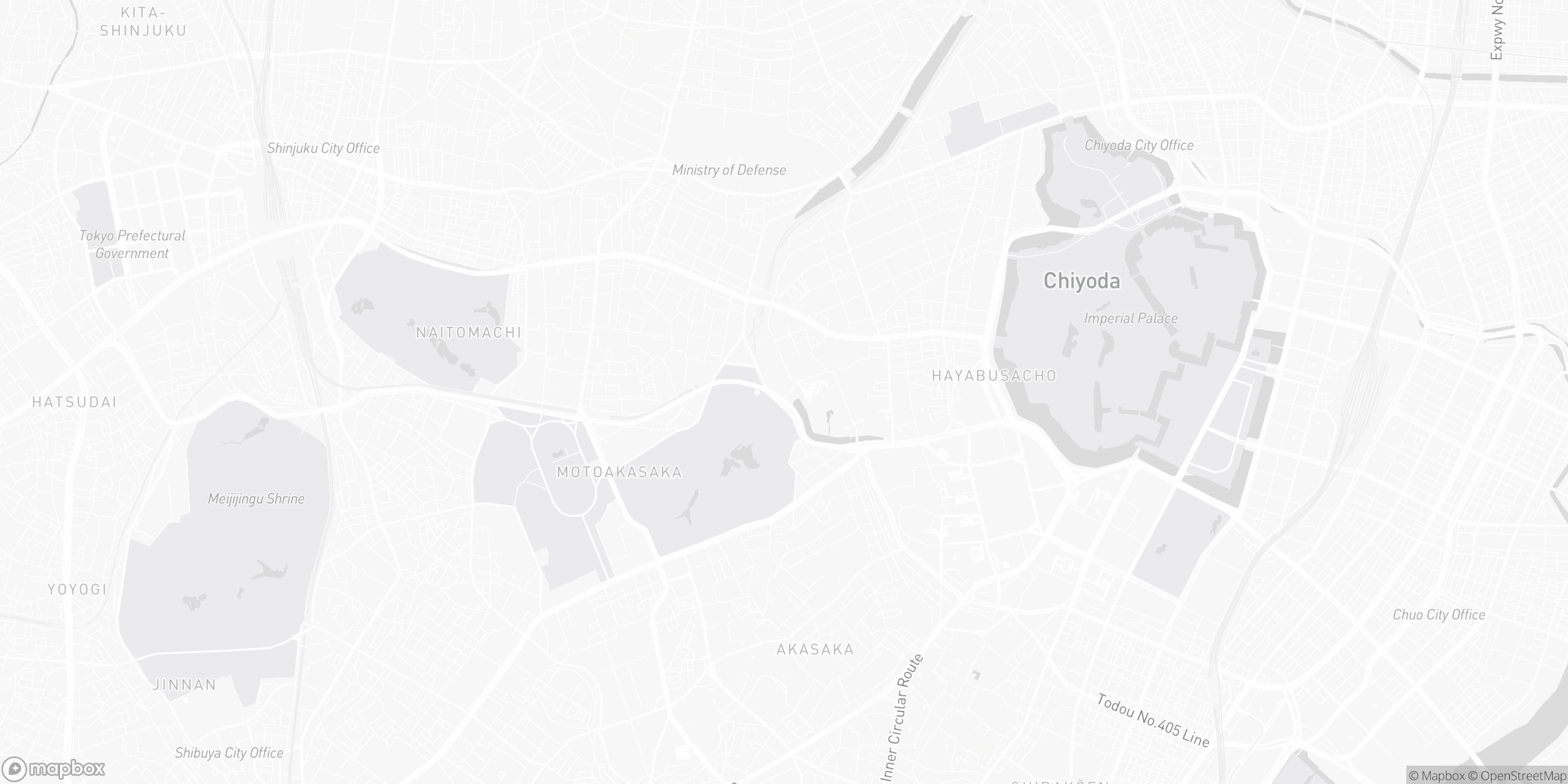
Four of these seven hotels sit on or inside Tokyo Station, and that’s not a coincidence, it’s the best-connected spot in the city for anyone doing day trips to Kyoto or Hakone. Bulgari and the Four Seasons at Marunouchi let you walk from the lobby to the shinkansen platform largely indoors; Otemachi has five subway lines running underneath it. The Peninsula and Mandarin Oriental sit a short walk or ride from Ginza instead, trading a few minutes of transit ease for being closer to shopping and the Imperial Palace gardens on foot. Aman and the Park Hyatt are the outliers geographically, Aman still near the Palace and the station, the Park Hyatt a proper 15 to 20 minute walk from Shinjuku station with a shuttle that fills up.
New rooms vs old buildings
The Peninsula hasn’t been meaningfully touched since the 1990s and it shows in the electronics and the carpets, though the base rooms are still some of the largest in the city. Park Hyatt just finished a renovation and the result splits people hard: some find it calm, others call it generically beige, the kind of room that could be a four-star anywhere. Four Seasons Otemachi, Bulgari and the Marunouchi property (also recently refreshed) are the newest-feeling builds, and it’s the newness as much as the service that keeps pulling people away from the older palace hotels.
What a room actually costs
Budget north of $1,000 a night at any of these, climbing toward $3,000 to $5,000 for suites at Aman or Bulgari on a weekend. The Park Hyatt’s base King Deluxe starts around $1,145. None of these are the cheapest five-star beds in Tokyo. Travellers who have tried both point to Japan’s business hotels and the Okura as the value alternative, and if the brand name matters less to you than the square footage per dollar, that comparison is worth having before you book any of these seven.
The staff keep surprising people who’ve stayed at a dozen other Four Seasons, the breakfast gets called the best in the city, and the Imperial Palace and Mount Fuji views are hard to argue with at any price.
Floor-to-ceiling windows, total sound isolation, and a location you can walk from to the shinkansen platform mostly indoors. Small, quiet, and the service solves problems before you’ve finished explaining them.
The Pizza Bar on 38 is the hardest reservation in the building for a reason, and staff remembering a birthday or walking you through a typhoon at 11pm is the operating standard here, not the exception.
Around 57 rooms means the staff-to-guest ratio makes service feel personal: custom pajamas, remembered birthdays, a replaced golf club. Sezanne downstairs is some of the best fine-dining service anywhere in the catalogue.
Even the base category has a walk-in closet and a separate sitting area, directly over a subway station facing the Imperial Palace gardens. The furniture is dated; book it anyway if you’re out of the room all day.
Girandole’s Japanese set and the 45th-floor sauna justify the stay on their own, and the rooms run genuinely larger than most Tokyo five-stars. Service is the real variable here, so go in knowing that.
The 34th-floor lobby and the suites looking over the Imperial Gardens are reason enough for some guests, full stop. Don’t expect the concierge or the restaurant to anticipate your next move.
Where to stay in Tokyo, neighbourhood by neighbourhood
The best-connected pocket of the city for anyone doing day trips, business district energy on weekdays and genuinely quiet at night. Four hotels cluster here, and three of them let you reach a train platform without going outside.
Ginza-adjacent / Nihonbashi / Imperial Palace side
Close enough to walk to Ginza’s shopping and food, facing the Palace gardens rather than the station towers. Quieter than Shibuya or Shinjuku, a short cab or subway ride to almost anywhere.
A proper 15 to 20 minute walk from Shinjuku station proper, with a shuttle that runs every half hour and sometimes fills up before you get on. You’re trading walkability for the view and the quiet.
What people agree on, what they argue about, and the tips worth knowing.
The Otemachi vs Janu debate
This is the single most-repeated argument in Tokyo trip planning: Four Seasons Otemachi against Janu Tokyo at Azabudai Hills. People who’ve done both tend to land on Otemachi for the views (higher floors, the Imperial Palace and Fuji on clear days), the subway access, and a pool with no age minimum, while giving Janu credit for better suite options and a stronger spa. Almost nobody says Janu wins outright. It mostly comes down to whether you want the established name or the newer building.
The Okura keeps coming up unprompted
Ask for Tokyo recommendations on any of the big travel forums and someone will mention the Okura’s renovated Prestige Tower before you’ve finished reading the replies, usually as the value play against Bulgari or the Peninsula. Opinions split on whether it’s genuinely five-star or a well-run four-star with huge rooms; a few people say their own travel advisor tried to steer them away from it toward a Western brand with a better commission. Worth a look if square footage per dollar matters more to you than a logo.
Breakfast gets argued about more than anywhere else
Tokyo’s luxury hotels get compared on breakfast the way other cities compare on spas. The Park Hyatt’s Japanese set with grilled salmon and tamagoyaki and Four Seasons Otemachi’s spread both get called some of the best hotel breakfasts anywhere; Aman’s in-room breakfast draws the opposite reaction, with some guests posting photos of a broken hollandaise sauce that looks more diner than five-star. If a great morning matters to your trip, it’s worth weighing as heavily as the room category.
The glass-door question at Bulgari
Anyone researching Bulgari’s base suite categories eventually runs into the same detail: a glass door, frosted rather than clear, between the bedroom and living area. Families traveling with kids, or couples wanting real privacy, tend to ask for the Deluxe Suite instead, which has a solid door and more buffer space. Worth raising with the hotel directly before booking, since they won’t always guarantee a layout.
The rest of a fat Tokyo trip
Where to eat
Sezanne at the Four Seasons Marunouchi and Musashi’s sushi counter at Aman (run by a chef who left his own Michelin restaurant to open it) are both destination meals worth building a night around even if you’re not staying at either hotel. The Mandarin’s Pizza Bar on 38 is an eight-seat counter doing two sittings a day, good enough that regulars rank it against pizza in Naples. Outside the hotels, Tokyo’s sheer density of excellent, inexpensive food means it’s worth leaving the building most nights rather than defaulting to the hotel restaurant every time.
Getting around and day trips
The subway and shinkansen make a hotel’s exact address less decisive here than in most cities: Tokyo’s transit is good enough that staying a 10 to 15 minute ride from Shibuya or Shinjuku rarely costs you much. Day trips to Kyoto (about two and a half hours by shinkansen), Hakone, or Nikko are easiest from a Tokyo Station hotel, since you can walk to the platform rather than hauling luggage across the city first. Traffic around Hakone specifically runs worse than map estimates suggest, budget extra time if you’re driving rather than taking the train.
Ryokans as a add-on, not a replacement
A recurring theme in trip planning threads: pairing a Tokyo stay with a night or two at a proper ryokan, often in Hakone, as a deliberate change of register rather than a lesser version of a city hotel. Expect strict check-in and check-out times and a different, more formal style of hospitality than any Western luxury brand offers. It’s consistently described as one of the most memorable parts of a longer Japan trip, not a downgrade from the five-star city stay either side of it.
If you only book one, make it Four Seasons Otemachi or Bulgari: both run 18/20, both deliver the kind of service that makes people rebook on every trip back, and the real choice between them is bigger and brighter against more intimate and quieter. Pick Mandarin Oriental over either if food is the actual point of your trip. Everyone else should let the trip type decide, families to the Marunouchi Four Seasons, a design-and-view-first stay to Aman, and anyone prioritizing the room over the welcome to the newly renovated Park Hyatt or the still-dated but still-spacious Peninsula.
When to go
Spring (cherry blossoms, late March into April) and autumn foliage (November) are peak season and the hotels know it, rates climb and the city is genuinely crowded in both windows. Many hotels including Bulgari, the Peninsula and Four Seasons Marunouchi run a stay-three-pay-two style offer from mid-May through August or September, and while summer is hot and humid, it’s a real discount window if you don’t mind the heat. Winter from January through early February, before Chinese New Year travel picks up, is about as close to quiet as Tokyo gets right now; the city has become a genuine year-round draw and the old idea of a reliable off-season is mostly gone.
Want us to pick one for you?
We’re Sofie and Nicolas, and we stay in these hotels ourselves. Tell us what the trip is and we’ll say where we’d put you in Tokyo, and what we’d do with the rest of it. We’re not a booking service, but a few times a year we plan one properly for someone; if that’s what you’re after, say so.
It's just the two of us, so we take on a handful of trips at a time. If we're full, we'll say so. We reply within a working day. The hotel pays us, not you: your rate is the same as booking direct, and the perks come on top.
What fat travellers ask about Tokyo
What are the most exclusive ultra-luxury hotels in Tokyo?
Four Seasons Otemachi, Bulgari Tokyo and Mandarin Oriental Tokyo all sit at the top of the catalogue at 18/20, distinguished less by their room rates than by consistently proactive, remembered-by-name service: a doctor arranged at midnight, a lost reservation chased down before a guest noticed it was missing. Aman Tokyo and the Park Hyatt compete on the room and the view instead, with service that’s real but considerably less consistent.
Where should I stay in Tokyo for a first visit?
Four Seasons Otemachi is the safest first-timer pick: no-compromise service, some of the best breakfast in the city, and a location under five subway lines even though it’s outside the main tourist districts. If food is the priority over hand-holding, Mandarin Oriental is the alternative.
Is it worth staying near Tokyo Station versus Ginza or Shibuya?
Yes if you’re doing day trips to Kyoto or Hakone, since Bulgari and the Four Seasons at Marunouchi let you reach the shinkansen platform almost entirely indoors. Tokyo’s subway system is good enough, though, that staying near Ginza (the Peninsula, Mandarin Oriental) or even further out costs you only a few extra minutes most days.
Which Tokyo luxury hotel has the best service?
Four Seasons Otemachi and Mandarin Oriental generate the most repeated stories of staff going well beyond what was asked, from arranged doctors to tracked-down lost items. Aman Tokyo and the Park Hyatt, by contrast, are known for inconsistent service and a concierge team that can take weeks to respond.
Are Tokyo’s luxury hotels worth it compared to Japan’s business hotels?
Not purely on room size or cleanliness, Japan’s business hotels are excellent and far cheaper. What you’re paying the extra few hundred dollars a night for at these seven is the service layer: a concierge who gets you into a booked-out restaurant, a doorman who remembers your name, a birthday surprise nobody asked for.
Which Tokyo hotel is best for families with young kids?
Four Seasons Marunouchi and the Peninsula both come up repeatedly for families, the Marunouchi for its custom pajamas and staff who treat a five-year-old like a returning guest, the Peninsula for its oversized closets (often repurposed as a baby’s room) and a concierge who tracks down diapers and formula within a five-minute walk.