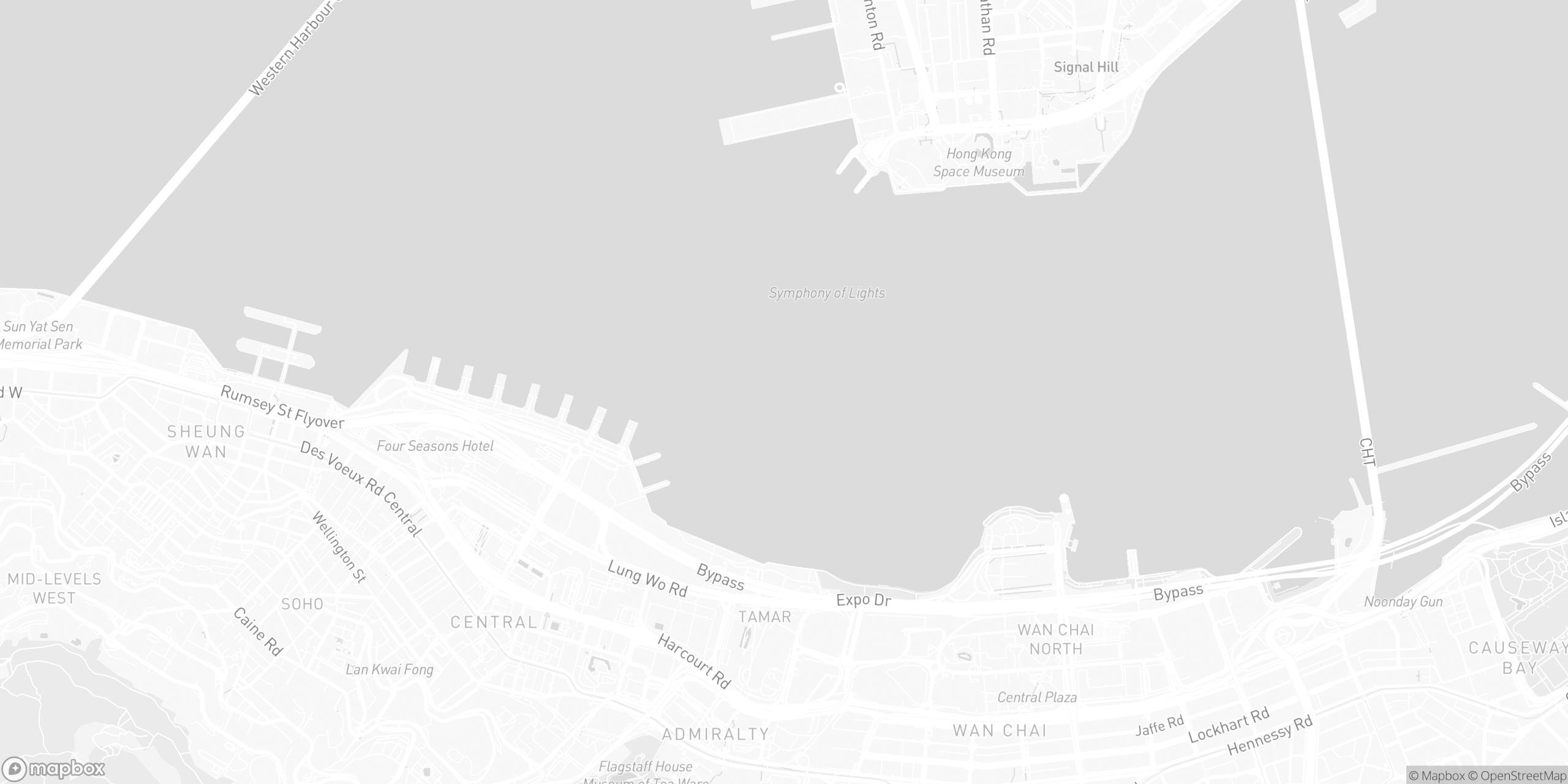

Central / IFC
Hong Kong Island’s financial district by day, genuinely good eating by night, because locals and business travellers fill the restaurants alongside tourists. Walkable to Landmark mall, the Mid-Levels escalator and the Star Ferry pier.
City guidesChina
The first decision in Hong Kong isn’t which hotel, it’s which shore. Stay on Hong Kong Island (Central) and you’re walking to the best Cantonese food in the city; cross to Kowloon and you get the harbour view and the history, with a ferry or MTR ride standing between you and dinner. Pick your side first, then pick the hotel.
5 hotels in the collection, one of them a Fat Legend Updated 12 Oct 2026
The top five, in Fat Score order
 Fat Legend, 18 out of 20. 1 Four Seasons Hotel Hong Kong
 Fat Favorite, 17.5 out of 20. 2 Mandarin Oriental
 Fat Favorite, 16.5 out of 20. 3 The Peninsula Hong Kong
 Fat Favorite, 16 out of 20. 4 Rosewood Hong Kong
 Fat Approved, 15.5 out of 20. 5 Mandarin Oriental The Landmark
We read 356 reports on these 5 hotels to write this guide: trip reports from the most active luxury travel communities, critics’ reviews and verified guest reviews.
Four Seasons Hong Kong, Mandarin Oriental and Mandarin Oriental The Landmark all sit on Hong Kong Island, in or around Central, a short walk from Landmark mall and the fine-dining strip that comes with it. The Peninsula and Rosewood are across the harbour in Tsim Sha Tsui, which gets you the view everyone comes to Hong Kong for but means taxis or the Star Ferry every time you want Central’s restaurants. People who’ve stayed on both sides keep landing on the same practical point: Central has the better food scene because locals and business travellers eat there too, not just tourists, and that pulls the Michelin-starred kitchens with it.
Don’t assume a five-star rate buys five-star service here, because in Hong Kong it doesn’t automatically. The Four Seasons and the original Mandarin Oriental post the strongest, steadiest service scores in this guide, the kind where a mended dress or a fetched mango shows up without being asked twice. Rosewood is the opposite case: the building is among the most photogenic in the city, but the front desk is a genuine coin-flip, generous upgrades and a remembered tea order for some, a bounced room-service call and a bare apple platter for others. That gap is large enough to plan around, not a rounding error.
The Peninsula opened in 1928 and still sends a fleet of Rolls-Royces to the airport; it’s the only hotel here selling history as the headline. Everything else is newer or recently redone: Mandarin Oriental The Landmark finished a renovation that left Central’s newest rooms but switched off the spa and gym for months without warning guests who’d booked a staycation around them. Check what’s actually open before you book a wellness-focused stay anywhere mid-refurbishment.
Three Michelin-starred restaurants live inside the Four Seasons alone, and Lung King Heen is the one people plan return trips around. Man Wah at the original Mandarin Oriental gets called some of the best Chinese food in the city by more than one traveller, though a few prefer Lung King Heen or The Chairman instead, that’s a real disagreement, not a knock on either kitchen. If your trip is built around eating, where you sleep should follow the kitchen, not the other way round.
Four Seasons Hotel Hong Kong Fat Legend
The easiest 5-star base on the island: direct links to IFC Mall, Airport Express and the ferry terminal, three Michelin-starred restaurants on property, and staff who solve problems before you’ve finished asking.
Mandarin Oriental, Hong Kong Fat Favorite
Smaller rooms than the competition, but Man Wah’s Cantonese cooking and a front desk that remembers small requests without a system prompting them make this the pick if you want Central over Kowloon.
The Peninsula Hong Kong Fat Favorite
A 1928 lobby, Rolls-Royce transfers, and Spring Moon’s cooking, worth booking for the building and the arrival alone, with bathroom maintenance the one thing that runs uneven.
Rosewood Hong Kong Fat Favorite
Grand Harbour View rooms, a Manor Club lounge guests eat three meals a day in, and nothing else in Tsim Sha Tsui touches the view, just know the front desk is genuinely inconsistent at this price.
Mandarin Oriental The Landmark, Hong Kong Fat Approved
Newly renovated rooms, a walkway straight into Landmark mall and Man Wah’s sister kitchen, but confirm the spa and gym are actually running before you book a wellness stay.
Four Seasons Hotel Hong Kong Fat Legend
Nightly kids’ amenities, a club lounge attendant who’ll walk a child back to the room, and a pool regulars rate among the best hotel pools they’ve used anywhere.
In Fat Score order
Hong Kong Island’s financial district by day, genuinely good eating by night, because locals and business travellers fill the restaurants alongside tourists. Walkable to Landmark mall, the Mid-Levels escalator and the Star Ferry pier.

The harbour view everyone pictures when they think of Hong Kong, plus the Avenue of Stars and K11 Musea mall, but it’s a tourist-heavy strip and getting to Central’s restaurants means a taxi, the MTR or the Star Ferry every time.
What people agree on, what they argue about, and the tips worth knowing.
Ask a group of well-travelled people where to stay in Hong Kong and the Four Seasons comes up fastest, usually from people who’ve also tried Rosewood and the Peninsula and still default back to IFC. The reasoning is consistent: spacious rooms, room service that holds up, and a pool and spa people call the best in the city, even if the spa itself is starting to show its age next to newer Four Seasons openings elsewhere.
The sharpest disagreement in the city isn’t between hotels so much as between priorities. Rosewood wins on design and view almost without argument, Tony Chi’s rooms and the Manor Club get the strongest praise of anything in this guide. But travellers who’ve stayed at both Rosewood and the Mandarin Oriental keep describing Rosewood’s service as reactive or robotic by comparison, while MO and Four Seasons get called steadier. Neither side is wrong; it depends whether you’re there for the room or for being looked after.
The Peninsula’s afternoon tea draws the most pointed pushback: long-time regulars say the added minimum spend has turned what used to be a treat into a transaction, and some now go to Rosewood or Regent instead. On the underrated side, Mandarin Oriental The Landmark gets dismissed by people assuming it’s the lesser of the two Central Mandarins, but Man Wah there earns real praise and the doormen get singled out by name for remembering faces within two nights.
If a hotel is mid-renovation, ask which floors are affected before you book: lower floors at the original Mandarin Oriental have taken construction noise straight through a stay. At Mandarin Oriental The Landmark, confirm the spa and gym are actually operating, guests have been sent off-property without warning. And don’t expect Hong Kong’s best food to be exclusively at your hotel: Lung King Heen, The Chairman and Chaat all draw repeat visits from people staying elsewhere entirely.
Lung King Heen inside the Four Seasons was the first Chinese restaurant anywhere to hold three Michelin stars and it still earns the trip back. Man Wah at the original Mandarin Oriental and The Chairman are the names that come up when people argue about the best Cantonese cooking in the city, and Rosewood’s Chaat is the one worth booking even if you’re staying elsewhere, its Indian food gets mentioned as often as the hotel’s harbour view.
The Star Ferry between Central and Tsim Sha Tsui costs almost nothing and is still the best way to see the skyline from the water, worth doing even if you’re not switching sides of the harbour. Victoria Peak, the Mid-Levels escalator and the temples around Wan Chai fill a day easily, and the symphony of lights show over the harbour is free from either shore after dark.
The MTR connects both shores quickly and cheaply, and the Airport Express gets you from Central to the airport in under half an hour, a real advantage for the Island-side hotels, which all sit on or near that line. Macau is a one-hour ferry away and works well as a day trip if you want a change of pace from Hong Kong’s density.

If you only book one hotel in Hong Kong, make the call on geography before anything else: Four Seasons or Mandarin Oriental if you want to be based where the best restaurants actually are and you want service you can rely on without thinking about it; Rosewood if the view and the room matter more to you than a dependable front desk and you’re willing to accept some inconsistency as the cost of admission; the Peninsula if you want the history and the arrival experience and can live with a century-old building’s occasional maintenance lapses. Mandarin Oriental The Landmark is the value play in Central, but only once its spa and gym are confirmed back online.
Autumn, October through early December, is the sweet spot: lower humidity, clear enough skies to actually see the harbour, and before the Lunar New Year crowds. Summer brings heat, humidity and typhoon risk that can ground flights and ferries with little notice; winter is mild and dry but January and February overlap with Chinese New Year, when the city’s best restaurants get booked out weeks ahead.
We’re Sofie and Nicolas, and we stay in these hotels ourselves. Tell us what the trip is and we’ll say where we’d put you in Hong Kong, and what we’d do with the rest of it. We’re not a booking service, but a few times a year we plan one properly for someone; if that’s what you’re after, say so.
It's just the two of us, so we take on a handful of trips at a time. If we're full, we'll say so. We reply within a working day. The hotel pays us, not you: your rate is the same as booking direct, and the perks come on top.
Stay in Central if food and walkability matter most, it’s where the Four Seasons, Mandarin Oriental and Mandarin Oriental The Landmark sit, a short walk from the city’s best restaurants. Stay in Kowloon, home to the Peninsula and Rosewood, if the classic harbour view and more space in your room matter more than minimising cab rides.
Both deliver steadier service than anywhere else in this guide; the Four Seasons has a stronger pool, spa and executive lounge, while the Mandarin Oriental has smaller rooms but the stronger single restaurant in Man Wah. Either is a safe first choice, and the decision mostly comes down to whether you want to be inside IFC Mall or beside Landmark.
Worth it if the room and the view are what you’re paying for, Rosewood’s design and harbour-view rooms are the strongest in the city, but go in accepting that service is inconsistent: some guests get upgrades and a remembered tea order, others get a bare welcome platter and a slow front desk.
The Four Seasons Hong Kong (18/20) and Mandarin Oriental Hong Kong (17.5/20) top this guide, both scoring highest on service, the trait that separates a five-star rate from an actual five-star stay in this city, plus three Michelin-starred restaurants between them. The Peninsula follows at 16.5/20 for the building and the arrival experience few other hotels anywhere can match.
It depends what you want from it. Long-time regulars say the minimum spend added in recent years has changed the mood from a treat into a transaction, and some now prefer Rosewood or Regent instead, but it’s still one of the most famous settings for it in the city and worth judging for yourself.
The Four Seasons is the strongest pick: nightly kids’ amenities, a club lounge attendant who’ll personally walk a child back to their room, and enough space in the suites to give a family real separation without losing the hotel’s business-traveller polish.
All 5 hotels in Hong Kong in our collection hold Michelin Keys in the Michelin Guide’s 2026 hotel selection. Three Keys: Rosewood Hong Kong. Two Keys: Four Seasons Hotel Hong Kong; The Peninsula Hong Kong; and Mandarin Oriental The Landmark, Hong Kong. One Key: Mandarin Oriental, Hong Kong. The Keys come from the guide’s own anonymous inspections and are separate from the Fat Score.