

Side-by-side
Amanfayun vs Arctic Bath
Amanfayun and Arctic Bath, side by side — the detail is below.
Can't split them? Tell us the trip and we'll say which one we'd book — then book it at the same rate as direct, our perks attached.
Aman
Fat FavoriteAmanfayun
An Aman hotel set in a restored village of courtyards and villas beside the Lingyin Temple outside Hangzhou, China.
Independent
Arctic Bath
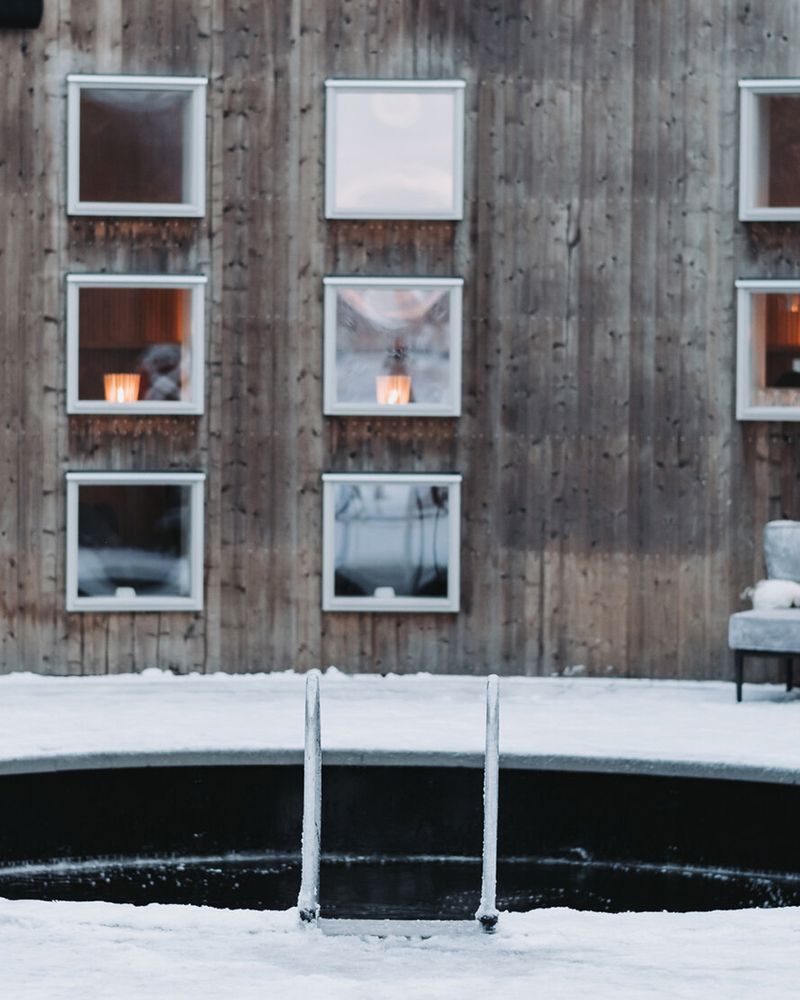
A spa hotel with floating and land cabins on the Lule River in Harads, Sweden, built around a bird's-nest-shaped bathing building.
Strengths & trade-offs
Amanfayun
Strengths
- Reconstructed ancient village setting beside Lingyin Temple creates unmatched atmosphere
- Hangzhou House and vegetarian restaurant deliver some of the best hotel dining in China
- Stream-side pool and spa consistently cited as transcendent, meditative spaces
- Staff widely praised for warmth, especially with families, elderly guests, and children
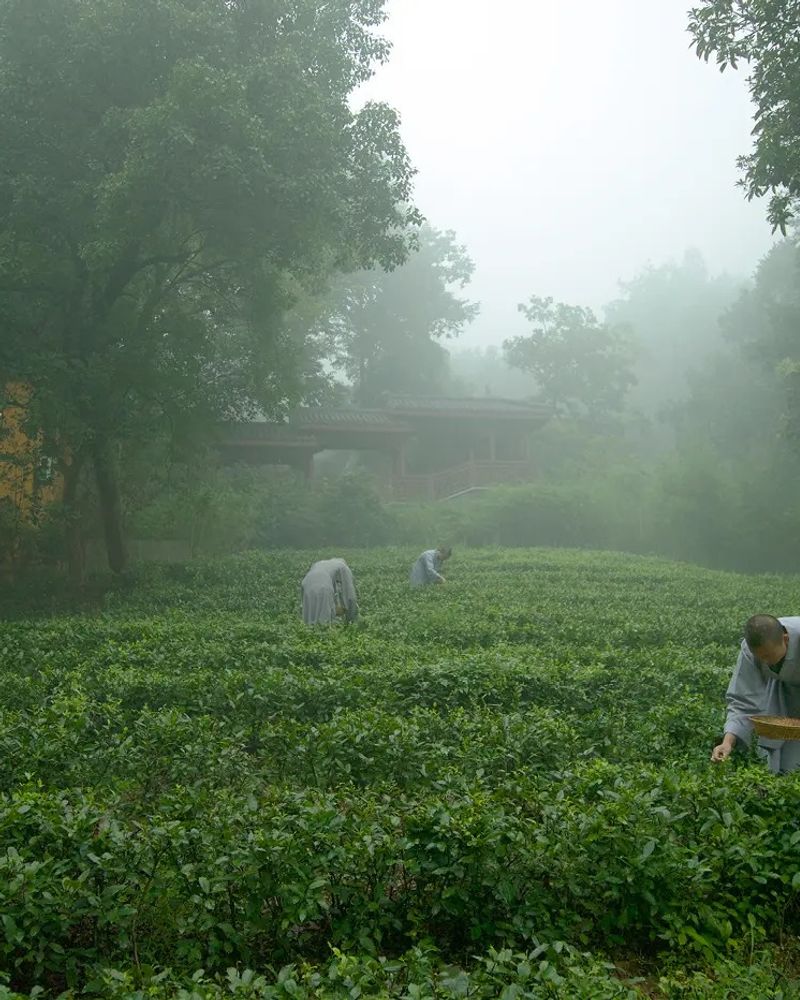
- Access to monk-led temple chants and tea gardens offers genuine cultural immersion
Trade-offs
- Rooms are consistently reported as too dark, even by fans of the property
- Service quality is inconsistent — English proficiency and front-desk helpfulness vary by encounter
- Public footpath access means non-guests wander the grounds, diminishing exclusivity
- Traffic-controlled West Lake area and long transfers complicate arrival logistics
Arctic Bath
Strengths
- Iconic bird's-nest floating architecture on the Lule River — genuinely one-of-a-kind
- Michelin Key-worthy kitchen using foraged local ingredients; tasting menus rival Scandinavian fine dining
- Staff form real connections — multiple reviewers name individuals who went far beyond expectation
- World-class cold-therapy wellness circuit: dual saunas, steam room, jacuzzis, and natural river plunge pool
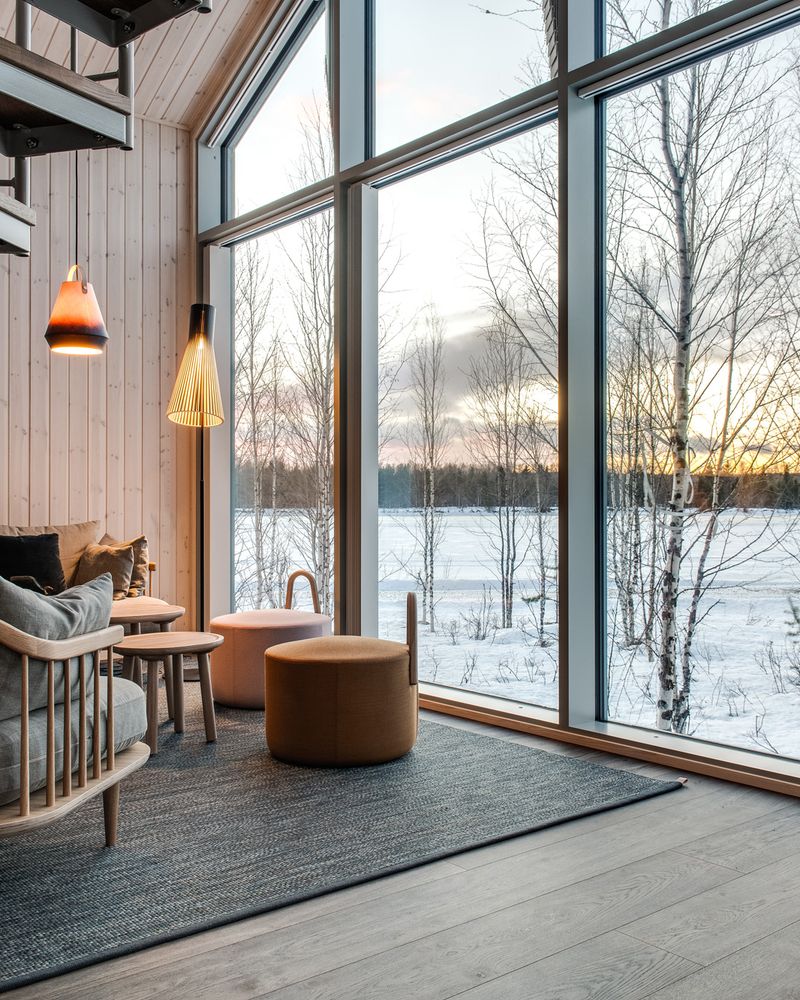
- Prime Northern Lights territory with huge cabin windows designed for aurora viewing
Trade-offs
- Pricing structure adds up fast — food, drinks, and activities largely à la carte on top of high room rates
- Third-party booking errors (notably Mr & Mrs Smith) have led to surprise bills of £1,000+
- Occasional equipment issues (sauna temperatures, pellet stoves) reported by a minority of guests
- Water cabins are compact — the small footprint suits the concept but may surprise guests expecting expansive rooms
Scoreboard
| Dimension | Amanfayun/ 20 | Arctic Bath/ 20 |
|---|---|---|
| Tier | Fat Favorite | — |
| Overall Fat Score | 17.5 | Score pending |
| Service | 17 Most describe staff as warm and hands-on, with named standouts like Nancy in guest relations, but one report of rude treatment toward non-guests and a midnight knock stand out. | — Guests keep naming individual staff unprompted, like Bass at the front desk rebuilding a broken suitcase in minutes, though one review flags a booking dispute the admin team handled badly. |
| Design | 18 Converted village houses along a kilometre of stream and courtyards feel like a real place, though a few guests found the rooms darker than they'd like. | — The floating and land cabins on the Lule River split opinion on size but not on detail, right down to the branded plates and the pellet stove in every land room. |
| Location | 18.5 Tucked against Lingyin Temple with monk chants at dawn and walkable tea fields, yet the strict traffic-controlled access can be a hassle getting in and out. | — Genuinely in the middle of nowhere on the Lule River outside Harads, no signage, about 1.2 hours from Luleå airport, and that isolation is the point. |
| Dining | 16.5 Steam House and the vegetarian restaurant get consistent praise, but the on-site Michelin-starred Hangzhou House splits opinion, with some calling a SGD 350 dinner disappointing. | — The rotating tasting menu built on foraged local ingredients gets called Michelin-worthy by multiple guests, though one report found the tasting menu just good rather than exceptional. |
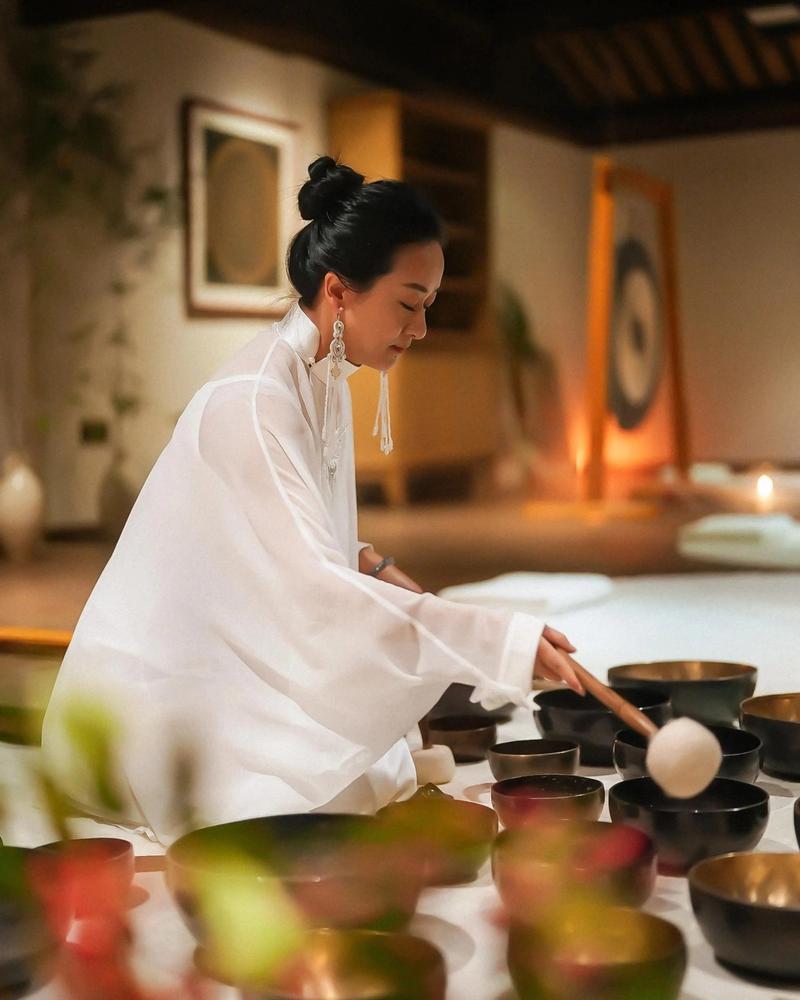
| Wellness | 17.5 The spa and sound bath draw real enthusiasm, and the pool framed by old stone walls is repeatedly singled out as the calmest spot on the property. | — The sauna-to-plunge-pool ritual, cutting a hole in the frozen river for a cold dip, is the core experience, but a few guests found the sauna temperatures inconsistent. |
Where they differ
Only Amanfayun
Where they sit
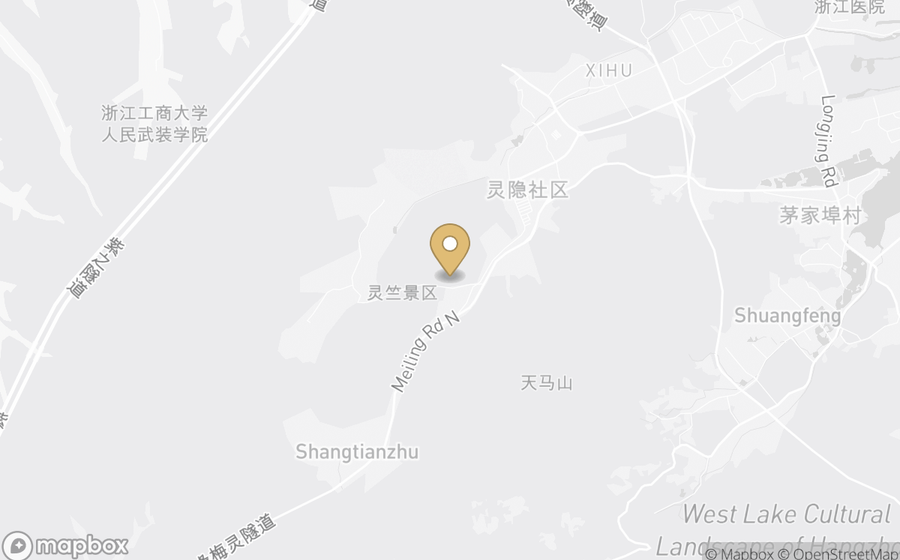
Hangzhou, China
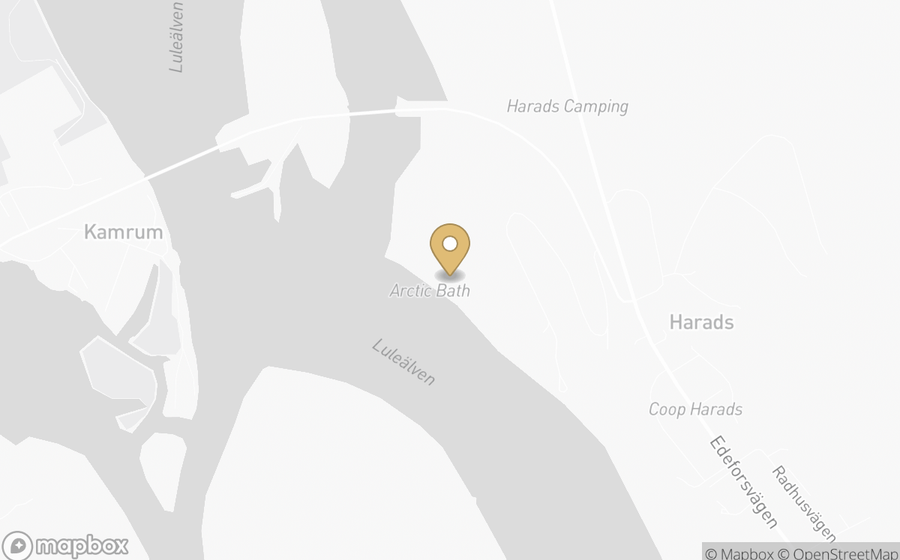
Harads, Sweden
The Verdicts
Amanfayun
What you're paying for at Amanfayun isn't the room. It's a reconstructed Longjing tea village strung along a stream beside Lingyin Temple, with monk-led chants at Yongfu at dawn and a footpath gate that lets you beat the tour buses. That's the whole case for the property. Travellers separated by years describe the same thing: the stream-lined pool against centuries-old stone, the tea gardens, the sense of arriving somewhere old rather than merely nice. One guest's grandparents got personal attention getting around the grounds; another's toddler had every staff member charmed within a day. The food backs it up too: the vegetarian restaurant and Steam House draw near-unanimous praise, and Hangzhou House, the Michelin-starred restaurant on property but run separately from Aman, has fans calling it among the best hotel meals in China.
The rooms are the catch, and it isn't minor: the "cottages" get called too dark by admirers and critics alike, from a 2024 review through one from this June, so this isn't one unlucky villa. Hangzhou House also splits opinion hard: one couple paid around SGD 350 for two and found the mushroom dish bland and the service checked-out, while others rank the same meal among the best in China. Service overall skews warm, but there's a real minority describing poor English and a dismissive front desk, including one traveller turned away rudely when asking how to reach a nearby restaurant with a frail parent in tow. Worth flagging too: the public footpath lets non-guests wander the grounds, which cuts against the exclusivity a rate like this implies, and the traffic-controlled West Lake area makes arrival logistics genuinely complicated.
Book it for the temple access and the atmosphere, not for a flawless five-star room. On the setting, the food, and the sense of stepping into old Hangzhou, nothing else nearby comes close.
Arctic Bath
Arctic Bath sells you a floating bird's-nest on the Lule River and then quietly hands you a kitchen that outdoes it. Land cabin or water cabin, deep winter or July, the reviews circle back to dinner more than the architecture they came for: birch and spruce teas, a mushroom-shaped dessert, ten-plus courses built from whatever got foraged that week. The Michelin Key gets mentioned almost in passing, which is a strange thing for a design hotel to pull off. The spa circuit around it, two saunas, a steam room, jacuzzis, and the river plunge itself, earns its own space in nearly every account, cold enough at -26°C that one guest admitted skipping it entirely.
The room rates barely cover entry. Food, drinks and activities run largely à la carte on top of an already high nightly cost, and at least two travellers who booked through Mr & Mrs Smith ended up with four-figure surprise bills when the all-inclusive food they'd been sold wasn't actually honoured by the hotel. Book direct and get what's covered in writing. A few guests also hit a cold sauna or a pellet stove that wouldn't relight, sorted quickly for some, not for others, and the water cabins are genuinely tight (you're not meant to linger in them; the main building is where the stay happens, and staff like Bass at the front desk turning a shredded suitcase into a non-event on departure day are part of why that works).
Book it for the kitchen and the cold plunge, for cabin windows wide enough that the aurora finds you without effort, and for a wilderness that matches the brochure. Go in knowing the à la carte math adds up fast, and book direct.


Still torn between Amanfayun and Arctic Bath?
We're Sofie and Nicolas, the two of us behind Fat Voyage — and we've stayed in hotels like these ourselves. Tell us what the trip is and we'll tell you which one we'd book, and why. We're not a booking service, but a few times a year we plan one properly for someone; if that's what you're after, say so.
You'll be dealing with the two of us the whole way through, which is why we only take on a handful of trips at a time — if we're full, we'll say so. We reply by email, usually within one working day. The hotel pays us, not you: your rate is the same as booking direct, and the perks come on top.
Common questions
Which should I book — Amanfayun or Arctic Bath?
Amanfayun and Arctic Bath, side by side — the detail is below.
What's the difference between Amanfayun and Arctic Bath?
Both are Wellness and Romantic. Amanfayun adds Heritage, Countryside, Culinary and Chinese Design; Arctic Bath adds Design, Adventure, Arctic and Eco.
Which is better for location, Amanfayun or Arctic Bath?
They land level here. Amanfayun: Tucked against Lingyin Temple with monk chants at dawn and walkable tea fields, yet the strict traffic-controlled access can be a hassle getting in and out. Arctic Bath: Genuinely in the middle of nowhere on the Lule River outside Harads, no signage, about 1.2 hours from Luleå airport, and that isolation is the point.
Which is better for design, Amanfayun or Arctic Bath?
They land level here. Amanfayun: Converted village houses along a kilometre of stream and courtyards feel like a real place, though a few guests found the rooms darker than they'd like. Arctic Bath: The floating and land cabins on the Lule River split opinion on size but not on detail, right down to the branded plates and the pellet stove in every land room.
Where are Amanfayun and Arctic Bath?
Amanfayun is in Hangzhou, China; Arctic Bath is in Harads, Sweden.
How does Fat Voyage compare Amanfayun and Arctic Bath?
Fat Voyage scores every hotel out of 20 across five dimensions — service, design, location, dining and wellness — from independent signals: the most active luxury travel communities, major editorial publications, and verified guest reviews, weighted by source credibility, depth and recency. Nothing is paid for, and no hotel can buy a place.