

Side-by-side
Soneva Fushi vs Amilla Maldives
Soneva Fushi: Multiple standalone restaurants including Out of the Blue and Fresh in the Garden plus a 24-hour ice cream room. Amilla Maldives: Sitting inside the Baa Atoll UNESCO reserve puts manta rays, a lively house reef and Hanifaru Bay within a short trip of the villa. Overall, Soneva Fushi is the stronger stay.
Can't split them? Tell us the trip and we'll say which one we'd book — then book it at the same rate as direct, our perks attached.
Soneva
Fat LegendSoneva Fushi
A barefoot-luxury island resort on Kunfunadhoo Island in the Baa Atoll, a UNESCO Biosphere Reserve in the Maldives.
Independent
Fat FavoriteAmilla Maldives
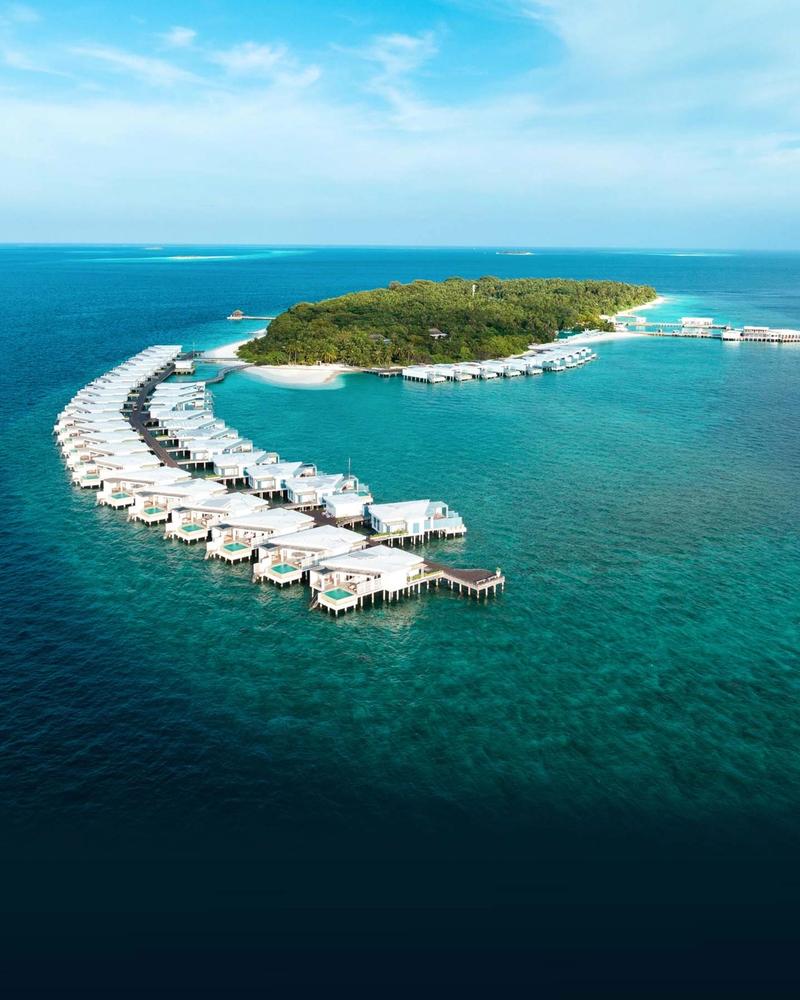
A large private-island resort in Baa Atoll, Maldives, with overwater and inland villas and a surrounding house reef.
Strengths & trade-offs
Soneva Fushi
Strengths
- Barefoot Butlers repeatedly credited with anticipating requests and pulling off personal surprises like anniversary tree-plantings
- House reef and Baa Atoll snorkelling rank among the best in the Maldives, with reef sharks, turtles and seasonal mantas
- Multiple distinct restaurants plus a 24-hour ice cream room, with a generous half-board structure that avoids feeling restrictive
- The Den kids' club rated by repeat family guests as the best they've encountered anywhere
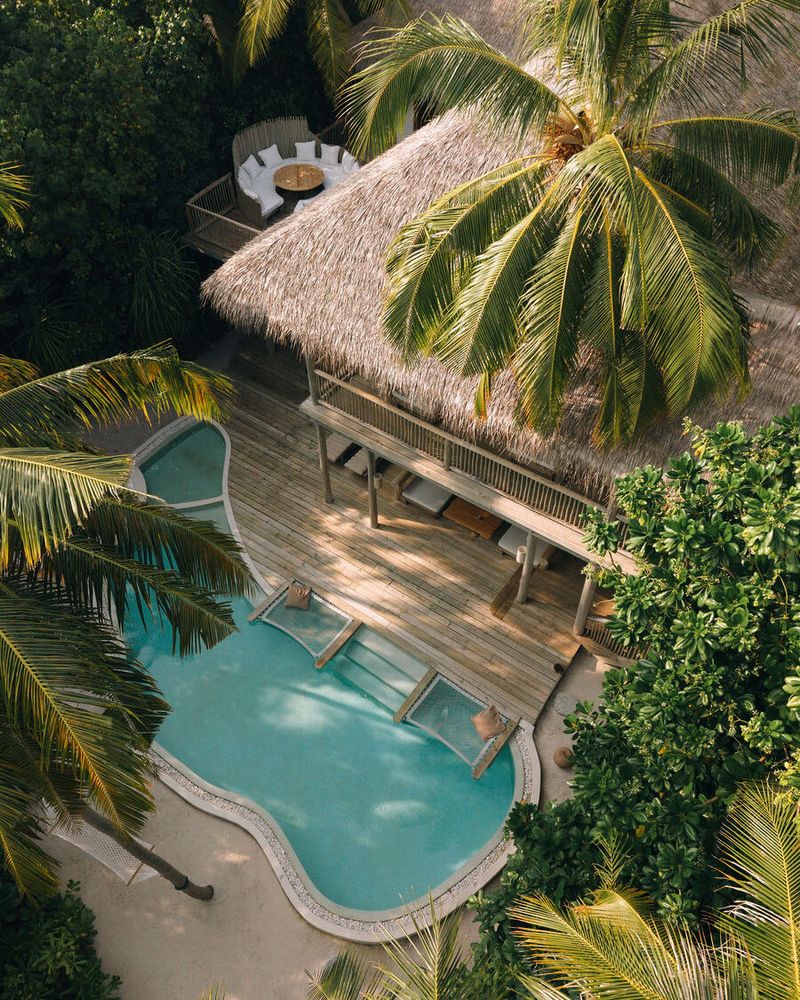
- Individually designed villas, some with private pools and outdoor bathrooms, integrated into thick natural jungle
Trade-offs
- Weather-exposed during the April to November monsoon window, with wind and chop capable of shutting down house reef snorkelling entirely
- A longtime repeat guest reports thinning jungle vegetation and disappearing in-villa amenities under newer management
- Two-bedroom villas have real sound insulation issues between rooms
- Resort layout is large and can feel confusing, with some villas lacking direct beach views
Amilla Maldives
Strengths
- Butlers consistently credited with specific, personalized problem-solving rather than generic warmth
- House reef accessible directly from overwater villas, with manta rays and sharks regularly sighted
- Wide dining spread across seven-plus restaurants including a standout Japanese kitchen
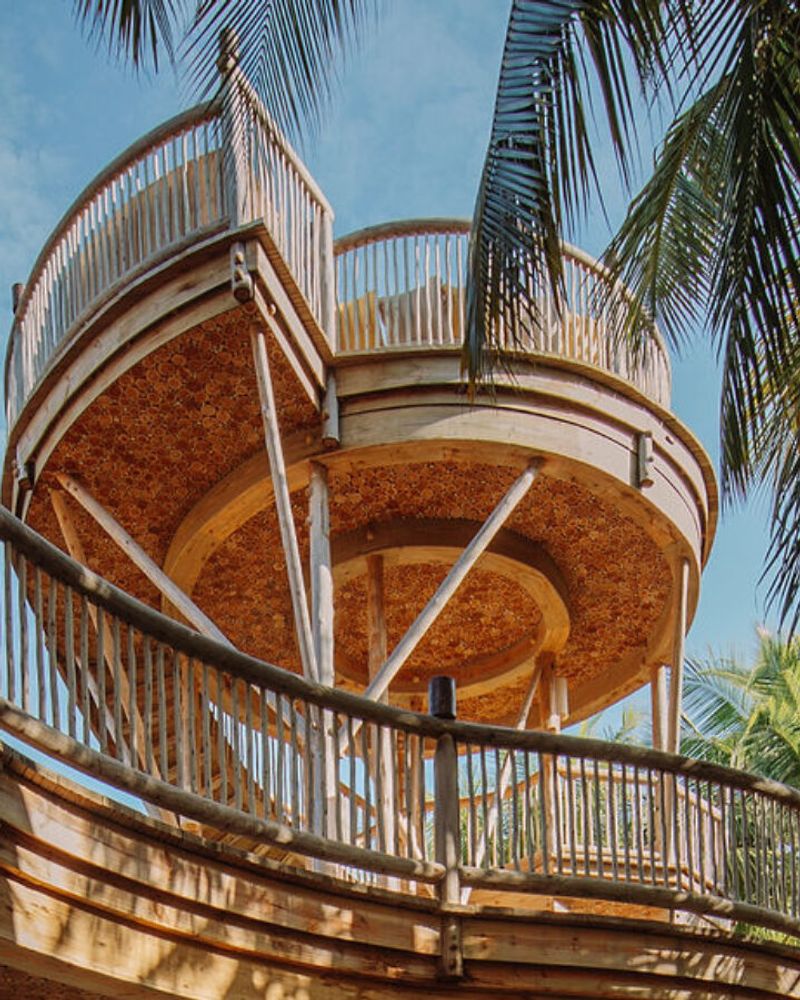
- Villa categories like treetop and sunset overwater draw repeat praise for space and character
- Strong fit for families, with a well-regarded kids' club and sports facilities
Trade-offs
- Seasonal caterpillar issue has caused real skin reactions for some guests with limited resort transparency
- À la carte pricing on transfers, excursions and add-ons runs high even by Maldives standards
- Some villa categories are due a refurbishment and show wear
- Half-board plan and some rainy-day/indoor options feel thin relative to the room rate
Scoreboard
| Dimension | Soneva Fushi/ 20 | Amilla Maldives/ 20 |
|---|---|---|
| Tier | Fat Legend | Fat Favorite |
| Overall Fat Score | 18+1 | 17 |
| Service | 18.5+0.5 | 18 |
| Rooms & Design | 18+1 Villas melt into thick jungle with private pools and open-air bathrooms, though one long-time guest reports vegetation thinning under recent management. | 17 Overwater, sunset and treetop villas draw praise for space and privacy, but multiple guests flag rooms as due a refurb. |
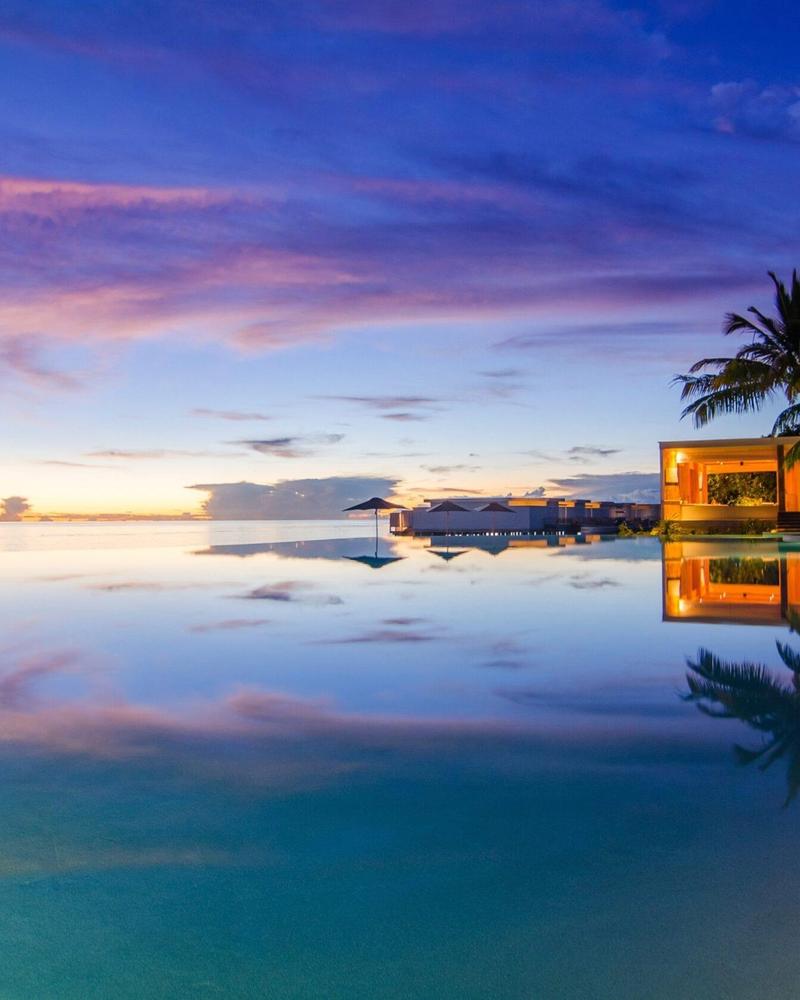
| Location | 18Even Kunfunadhoo Island sits in the Baa Atoll UNESCO Biosphere Reserve, with a house reef guests rank among the best snorkelling in the Maldives. | 18Even Sitting inside the Baa Atoll UNESCO reserve puts manta rays, a lively house reef and Hanifaru Bay within a short trip of the villa. |
| Dining | 18+1.5 Multiple standalone restaurants including Out of the Blue and Fresh in the Garden plus a 24-hour ice cream room, though one closure went uncommunicated. | 16.5 Seven or eight restaurants including a standout Japanese spot and Joe's Pizza cover real variety, though the Greek kitchen and half-board portions come up short. |
| Wellness | 16.5Even Soneva Soul spa, two free-weight-heavy gyms and a jungle gym draw praise, but the therapist bench got thinner by one longtime guest's account. | 16.5Even The spa and dive center are called out for good treatments and attentive dive staff, with a sauna guests wish ran hotter. |
The Verdicts
Soneva Fushi
Soneva Fushi is the original barefoot luxury island, and thirty years on it still argues its case better than almost anywhere else in the Maldives. You check your shoes in at the dock, get handed a bicycle, and that's the whole trip: sandy jungle paths, a house reef with reef sharks and turtles, and a Barefoot Butler who does the kind of thing you don't ask for twice. One family's butler, Miqdad, arranged a coconut-planting for their anniversary and quietly set up a birthday surprise for friends on the last night. Another guest's butler, Choco, ran their entire evening dining schedule and kept cocktails arriving all day. The food backs it up: multiple standalone restaurants rather than one buffet trying to do everything, a genuinely generous half-board structure at most outlets, and an ice cream room that's apparently no small part of why people rebook.
None of that means it's flawless. A longtime repeat guest, back for the seventh or eighth time, noted the jungle getting visibly thinner under newer management, in-villa amenities disappearing, and a spa therapist bench that's lost some depth. Weather is the other honest caveat: this is a monsoon-exposed atoll, and an October or September booking can mean wind, chop, and a house reef you can't actually get into, which knocked one family's trip down hard even though their kids still begged to return. And the two-bedroom villas have real sound-insulation issues if you're not travelling as a couple.
Book it for the island itself and the food, in the June-to-April window if you can manage it, and go into it accepting that the "rustic" in rustic luxury is sometimes literal. Families do exceptionally well here, especially multi-generational groups; if what you actually want is a more polished, traditional five-star experience with fewer bugs and less jungle, Four Seasons Landaa Giraavaru is the nearby alternative worth pricing against it. For everyone else, Soneva Fushi at its best is still the one people come home from and start planning their return before they've unpacked.
Amilla Maldives
Amilla puts you inside the Baa Atoll biosphere reserve, and that's the reason to book before anything else: manta rays a short boat ride out, a house reef you can swim into straight from an overwater villa, and Hanifaru Bay in range for the right season. The villas are genuinely huge by Maldives standards, and people who've stayed at several resorts keep singling out the treetop and sunset overwater categories for feeling different from the standard glass box on stilts. The butler system is doing real work here: one traveler's guide handled a birthday surprise for their daughter and rerouted a whole week around shifting weather; another had a lost book turned up on the beach. Names like Asad, Hajar and Baddy turn up constantly attached to specific favors, not just warm adjectives.
Where it costs you: this is not a cheap half-board resort dressed up as one. Guests report seaplane transfers running over €1,000 a person, a dolphin trip that saw no dolphins and still ran about €500 for two, and wine substitutions on the bill that nobody flagged before pouring. A caterpillar problem tied to the island's greenery caused real skin reactions for at least two travelers in one stretch, and the resort's own $400 credit response to one of them landed as thin given what happened. Rooms in some categories are starting to show wear, which the resort seems to know, since a refurbishment was already underway by early 2026. None of this is universal: most stays here run smoothly, but it's worth knowing the range before you land.
Book Amilla for the reef access and the level of individual care that shows up in specific, repeated acts of attentiveness rather than a script. Families do particularly well here, with a kids' club staff members are remembered by name for, and football and tennis programs that keep older kids occupied. Skip it if you want an all-inclusive rate with no surprises on the final bill; go in expecting à la carte pricing on top of half-board and you'll have a better week than the couple who didn't.

Still torn between Soneva Fushi and Amilla Maldives?
We're Sofie and Nicolas, the two of us behind Fat Voyage — and we've stayed in hotels like these ourselves. Tell us what the trip is and we'll tell you which one we'd book, and why. We're not a booking service, but a few times a year we plan one properly for someone; if that's what you're after, say so.
You'll be dealing with the two of us the whole way through, which is why we only take on a handful of trips at a time — if we're full, we'll say so. We reply by email, usually within one working day. The hotel pays us, not you: your rate is the same as booking direct, and the perks come on top.
Common questions
Which should I book — Soneva Fushi or Amilla Maldives?
Soneva Fushi: Multiple standalone restaurants including Out of the Blue and Fresh in the Garden plus a 24-hour ice cream room. Amilla Maldives: Sitting inside the Baa Atoll UNESCO reserve puts manta rays, a lively house reef and Hanifaru Bay within a short trip of the villa. Overall, Soneva Fushi is the stronger stay.
What's the difference between Soneva Fushi and Amilla Maldives?
Both are Island, Beach, Family, Romantic, Wellness and Culinary. Soneva Fushi adds Eco; Amilla Maldives adds Tropical. Soneva Fushi is ahead on the food.
Which is better for dining, Soneva Fushi or Amilla Maldives?
Soneva Fushi leads on this. Soneva Fushi: Multiple standalone restaurants including Out of the Blue and Fresh in the Garden plus a 24-hour ice cream room, though one closure went uncommunicated. Amilla Maldives: Seven or eight restaurants including a standout Japanese spot and Joe's Pizza cover real variety, though the Greek kitchen and half-board portions come up short.
Which is better for rooms & design, Soneva Fushi or Amilla Maldives?
Soneva Fushi leads on this. Soneva Fushi: Villas melt into thick jungle with private pools and open-air bathrooms, though one long-time guest reports vegetation thinning under recent management. Amilla Maldives: Overwater, sunset and treetop villas draw praise for space and privacy, but multiple guests flag rooms as due a refurb.
Where are Soneva Fushi and Amilla Maldives?
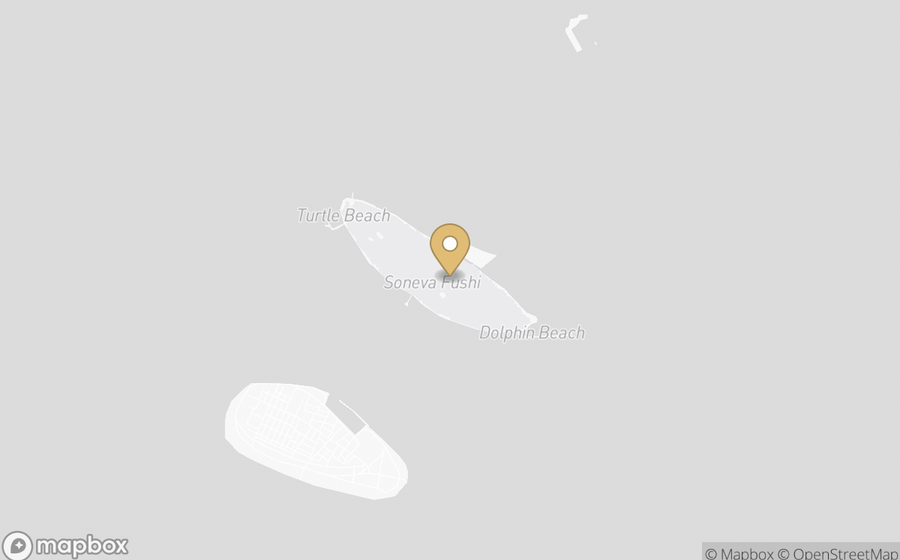
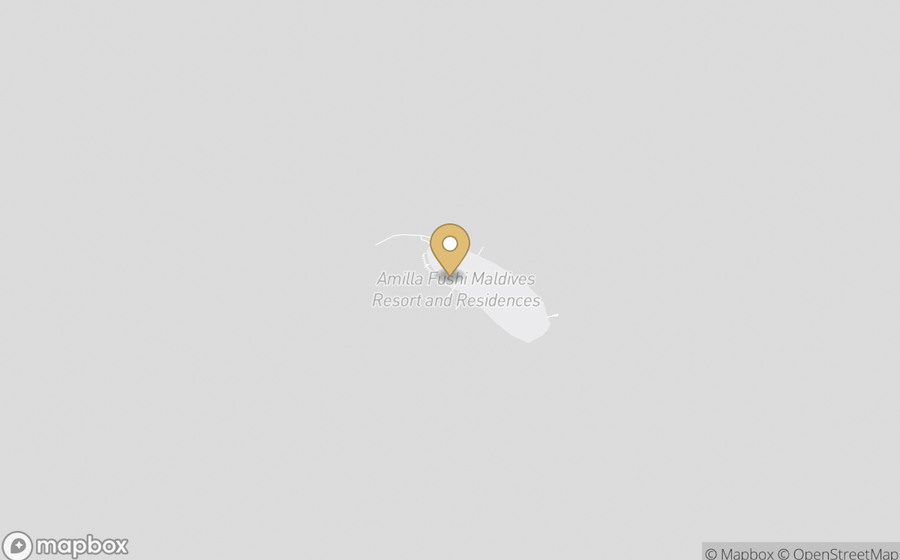
Both are in Baa Atoll, about 14 km apart — close enough that the choice is the hotel, not the neighbourhood.
How does Fat Voyage compare Soneva Fushi and Amilla Maldives?
Fat Voyage scores every hotel out of 20 across five dimensions — service, rooms & design, location, dining and wellness — from independent signals: the most active luxury travel communities, major editorial publications, and verified guest reviews, weighted by source credibility, depth and recency. Nothing is paid for, and no hotel can buy a place.