

Side-by-side
COMO The Halkin vs The Emory
COMO The Halkin: Staff like Pammy and night-duty Raskmit turn up in review after review for solving problems on the spot, from a missed flight to a last-minute laundry request. The Emory: Surrenne's pool, snow shower and Tracy Anderson sessions with trainer Javi draw some of the strongest praise in any Maybourne review.
Can't split them? Tell us the trip and we'll say which one we'd book — then book it at the same rate as direct, our perks attached.
Como
Fat FavoriteCOMO The Halkin
A 41-room boutique hotel on a quiet Belgravia street near Hyde Park Corner in London.
If you reserve via this button, we might earn a not-so-fat commission. Helps keep the lights on.
Maybourne
Fat FavoriteThe Emory
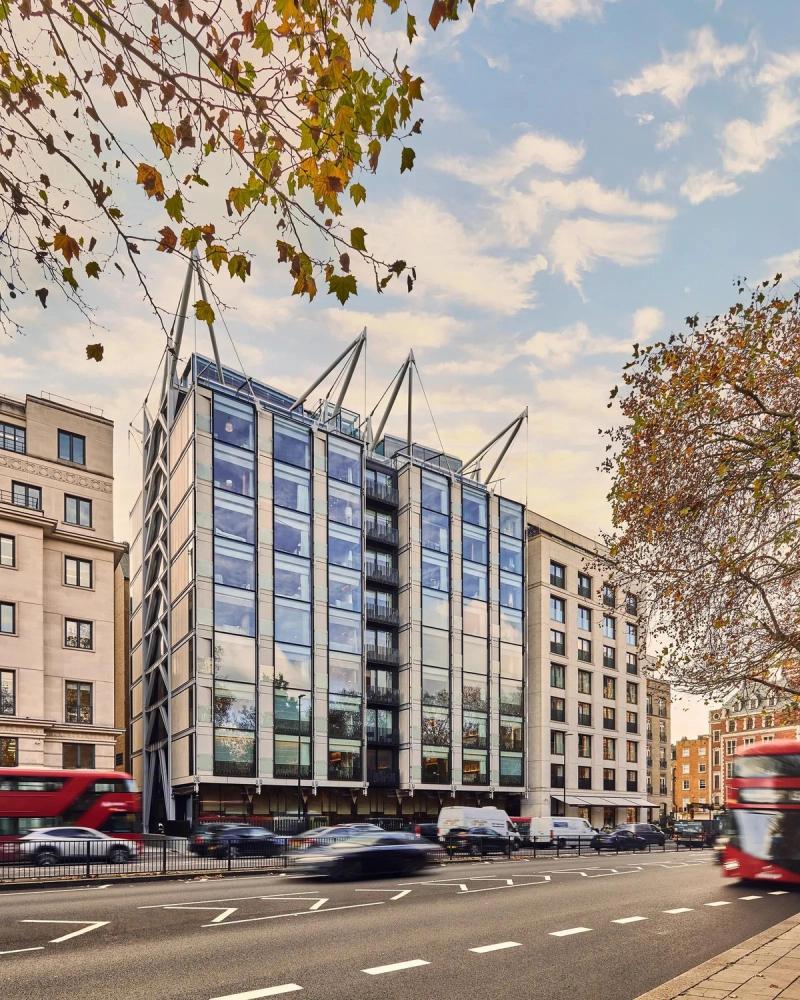
An all-suite Maybourne hotel in Belgravia, London, designed by Richard Rogers and set opposite Hyde Park.
Strengths & trade-offs
COMO The Halkin
Strengths
- Staff repeatedly named by guests months apart, unprompted
- Quiet Belgravia street near Hyde Park Corner, still walkable to everything
- Spacious rooms and suites by London standards
- Afternoon tea and breakfast consistently singled out as excellent
- Genuine problem-solving under pressure (missed flights, late-night requests, laryngitis)
Trade-offs
- No real spa or wellness facility to speak of
- Small and intimate cuts both ways — no grand public spaces or scene
- Editorial and long-form coverage is thin and dated relative to guest review volume
The Emory
Strengths
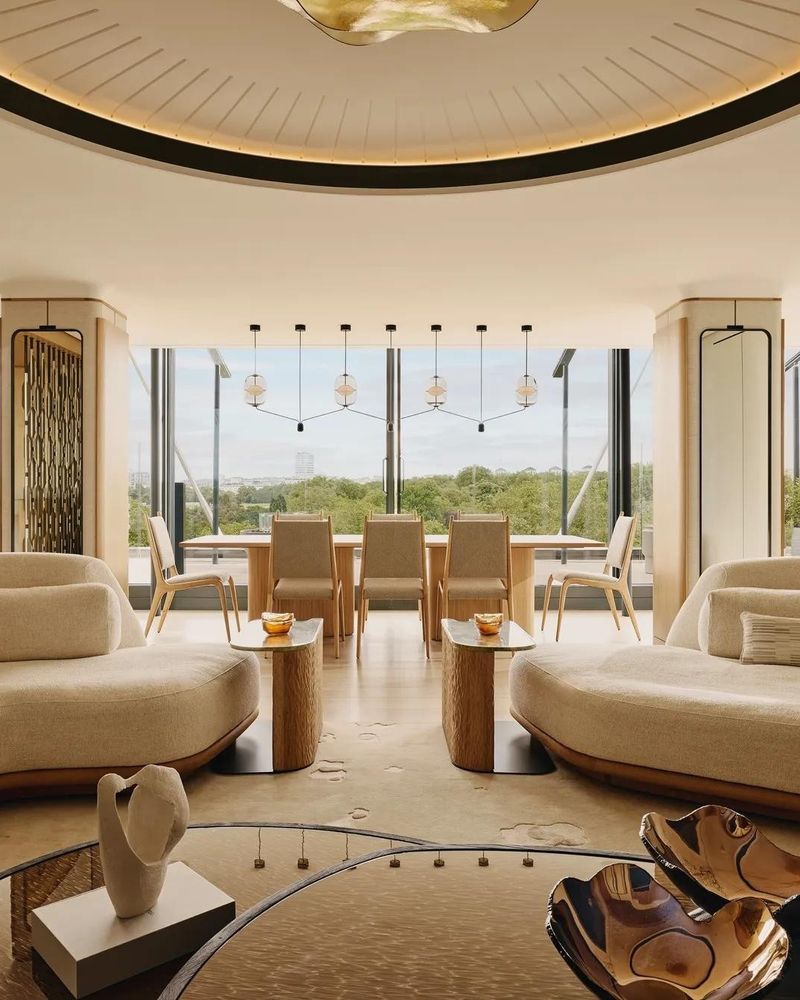
- Richard Rogers architecture with genuinely spacious, all-suite rooms rare for London
- Surrenne spa and Tracy Anderson studio rank among the best wellness facilities in the city
- Butler service via WhatsApp delivers fast, personalized responses for long-stay guests
- Rooftop bar and cigar lounge offer some of the best 360-degree views in London
- Discreet, residential feel that stands apart from the traditional British luxury template
Trade-offs
- Service consistency swings sharply between glowing and dismissive depending on length of stay and occupancy
- Entry-level rooms can face a neighboring building with poor natural light and no park view
- Website oversells amenities like unpacking, welcome champagne, and car service that aren't always delivered
- No dedicated on-site concierge for basic external bookings, per some guests
Scoreboard
| Dimension | COMO The Halkin/ 20 | The Emory/ 20 |
|---|---|---|
| Tier | Fat Favorite | Fat Favorite |
| Overall Fat Score | 17.5+0.5 | 17 |
| Service | 18.5+2 Staff like Pammy and night-duty Raskmit turn up in review after review for solving problems on the spot, from a missed flight to a last-minute laundry request. | 16.5 Doormen and reception staff get singled out by name for going out of their way, but check-in delays, a cold cigar-lounge exchange and one flat refusal to fetch a manager show it isn't consistent. |
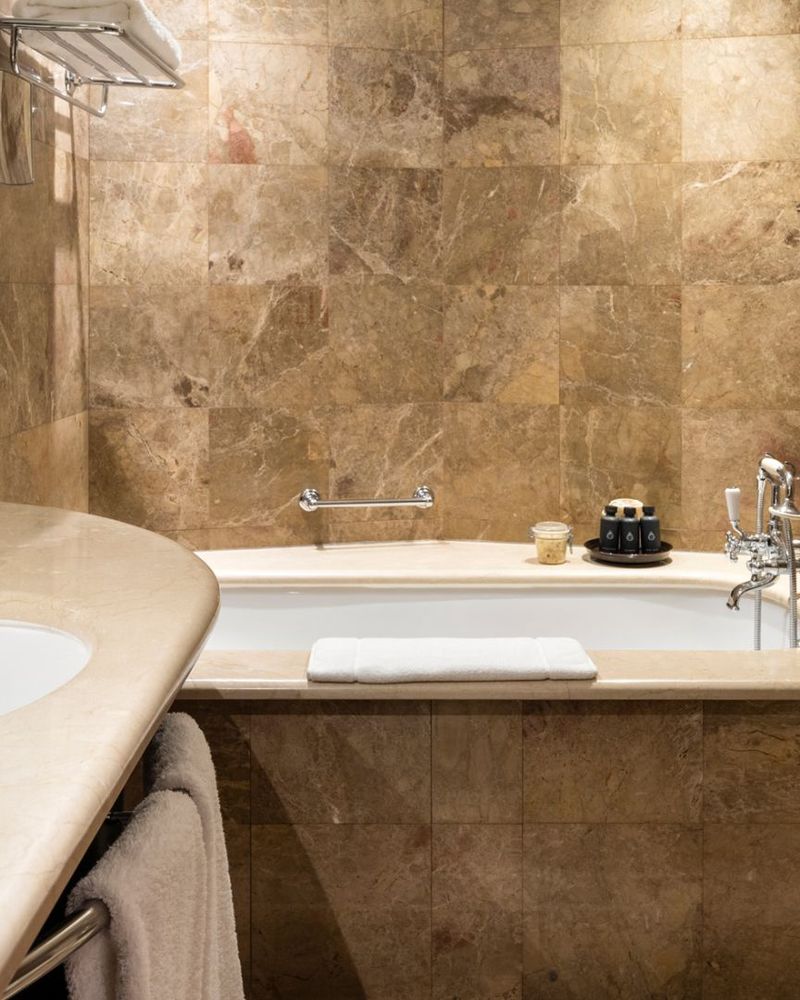
| Design | 16.5 Rooms lean spacious and quietly modern rather than showy, with marble bathrooms and granite tiles doing the talking. | 18.5+2 Floor-to-ceiling park views, Damien Hirst pieces and the best linens people report having slept in make the rooms the reason to book, though a handful land facing a neighbouring building's wall instead. |
| Location | 18+0.5 A quiet Belgravia side street that still puts you steps from Hyde Park Corner and the Tube, with the soundproofing to prove it. | 17.5 Tucked behind a discreet Belgravia courtyard entrance across from Hyde Park, close to Knightsbridge and Harrods, though it's a walk from the nearest tube. |
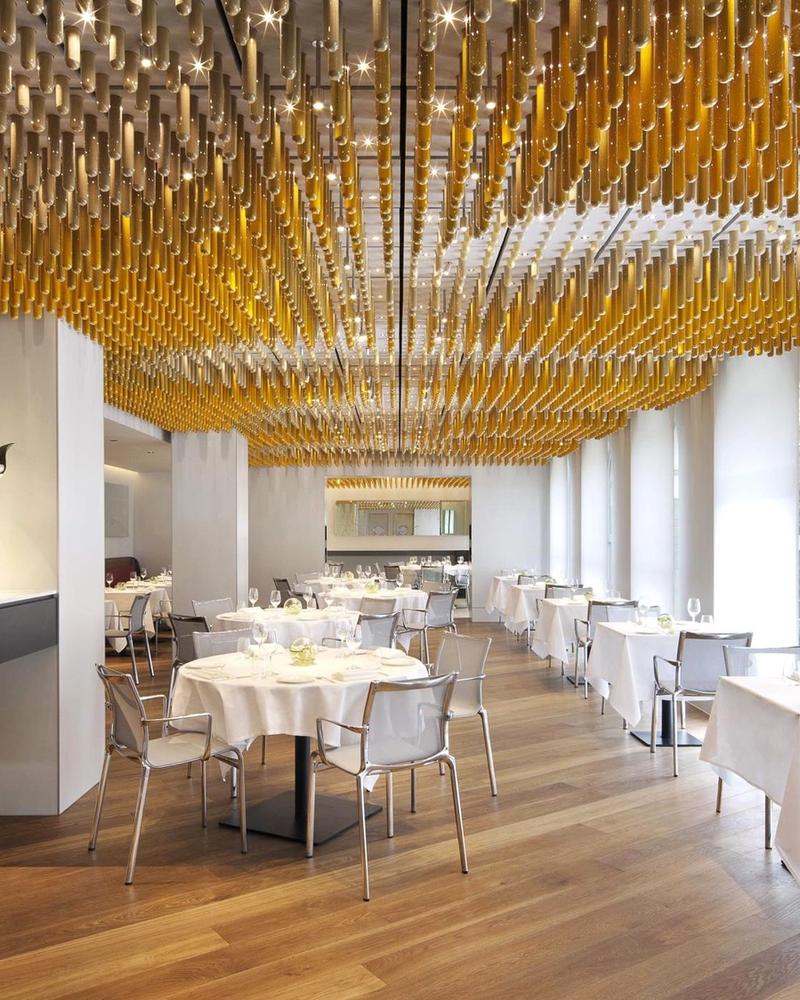
| Dining | 17+0.5 The afternoon tea and coconut waffles get singled out repeatedly, with Lewis and Morris named for making the room feel personal rather than routine. | 16.5 ABC Kitchen's eggs Benedict and Cedric Grolet pastries land well and the rooftop bar's drinks and views get real praise, but the only public toilets sit two floors down in the lobby. |
| Wellness | 14 Guests mention the spa-scented bathrooms more than any actual wellness facility, suggesting this isn't the reason to book. | 18+4 Surrenne's pool, snow shower and Tracy Anderson sessions with trainer Javi draw some of the strongest praise in any Maybourne review. |
Where they differ
Where they sit
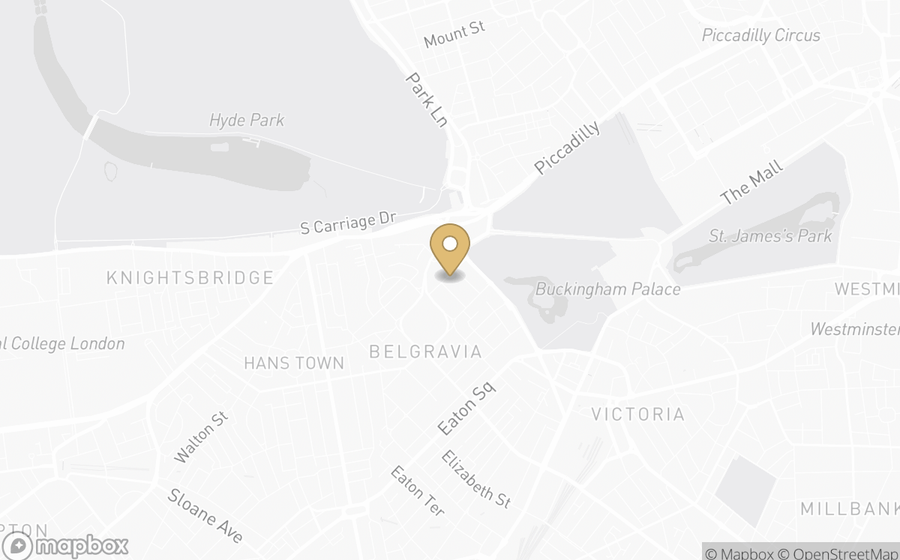
London, United Kingdom
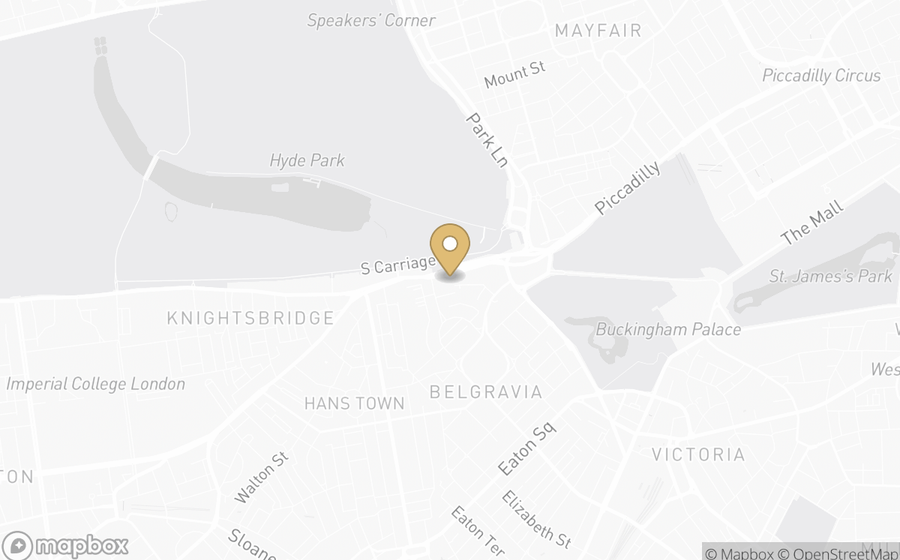
London, United Kingdom
The Verdicts
COMO The Halkin
Pammy Liu comes up more than anyone else in the stack of reviews on this place, and for good reason: one traveller missed a flight entirely and she rebooked the room on the spot, no fuss, no charge for the drama. Another checked in with laryngitis and the restaurant's Morris kept her stocked with tea and berries all week so she'd have a voice left by the end of the trip. A late-night laundry emergency got sorted by the night team in minutes rather than met with a shrug. The service is the reason to book this hotel, not a nice extra alongside the room, and it's held steady from last year straight through this spring.
This is a 41-room Edwardian townhouse in Belgravia: no real spa, no grand lobby, nothing to linger in beyond your room and the restaurant. If a gym and pool matter to your trip, they're not here (the Corinthia, a short walk away, has both). What you do get is a quiet street near Hyde Park Corner, rooms that run genuinely spacious by London standards, and a breakfast and afternoon tea that keep getting singled out on their own merits rather than as an afterthought (the coconut waffles come up more than once, and so does Lewis walking guests through the menu at tea).
Book it for a couple marking an occasion or a family with young kids: a surprise birthday cake, a themed drawing left in the room for a five-year-old, an upgrade nobody had to request. Skip it if you want a scene, a big lobby, or proper wellness facilities on site. Small and intimate cuts both ways here, and it's worth knowing which one you're booking for before you do. On the staff, though, the accounts line up: quick to solve a problem, warm about it, and never going through the motions.
The Emory
The Emory is Maybourne's one real departure from the Claridge's/Connaught script: Richard Rogers' glass box across from Hyde Park, 61 keys, all-suite, barely a lobby, sharing a spa and rooftop with The Berkeley next door. Rooms opened around £1,600 a night and the entry Courtyard Studios still sit near that, which buys floor-to-ceiling glass, a stocked-free minibar, a Cédric Grolet pastry on arrival, and Surrenne downstairs. The Tracy Anderson studio and the snow shower come up before anything else, and one guest who stayed five months called it the best spa experience of a very long trip.
This isn't a hotel that performs the same on night one as it does on night five. That same long-stay guest tracked their own housekeeping scores and found mornings ran measurably better than afternoons, and said outright that a one or two-night stay is too small a sample to judge the place fairly. Shorter stays back that up: a slow check-in, no manager on hand when something goes wrong, a "suite" facing a neighbouring building with the curtains stuck shut for lack of any view. The website oversells too: the welcome champagne, the unpacking service, the non-alcoholic beer add-on don't always show up as promised, which reads less like malice than a property still smoothing its edges two years in. A few guests have also flagged there's no concierge on-site for basics like booking a car, so you're sent next door to The Berkeley.
Book it for the design, the spa, and the quiet if you can give it three nights or more and shrug off an off moment; it isn't built for a single-night stopover. Give it three nights and the butlers, the glass, and Surrenne make the case themselves.


Still torn between COMO The Halkin and The Emory?
We're Sofie and Nicolas, the two of us behind Fat Voyage — and we've stayed in hotels like these ourselves. Tell us what the trip is and we'll tell you which one we'd book, and why. We're not a booking service, but a few times a year we plan one properly for someone; if that's what you're after, say so.
You'll be dealing with the two of us the whole way through, which is why we only take on a handful of trips at a time — if we're full, we'll say so. We reply by email, usually within one working day. The hotel pays us, not you: your rate is the same as booking direct, and the perks come on top.
Common questions
Which should I book — COMO The Halkin or The Emory?
COMO The Halkin: Staff like Pammy and night-duty Raskmit turn up in review after review for solving problems on the spot, from a missed flight to a last-minute laundry request. The Emory: Surrenne's pool, snow shower and Tracy Anderson sessions with trainer Javi draw some of the strongest praise in any Maybourne review.
What's the difference between COMO The Halkin and The Emory?
Both are Urban and Culinary. COMO The Halkin adds Heritage, Romantic and Family; The Emory adds Design, Architecture, Wellness and Adults-Only. COMO The Halkin is ahead on how you're looked after. The Emory is ahead on the spa.
Which is better for wellness, COMO The Halkin or The Emory?
The Emory leads on this. COMO The Halkin: Guests mention the spa-scented bathrooms more than any actual wellness facility, suggesting this isn't the reason to book. The Emory: Surrenne's pool, snow shower and Tracy Anderson sessions with trainer Javi draw some of the strongest praise in any Maybourne review.
Which is better for service, COMO The Halkin or The Emory?
COMO The Halkin leads on this. COMO The Halkin: Staff like Pammy and night-duty Raskmit turn up in review after review for solving problems on the spot, from a missed flight to a last-minute laundry request. The Emory: Doormen and reception staff get singled out by name for going out of their way, but check-in delays, a cold cigar-lounge exchange and one flat refusal to fetch a manager show it isn't consistent.
Where are COMO The Halkin and The Emory?
Both are in London, about 288 m apart — close enough that the choice is the hotel, not the neighbourhood.
How does Fat Voyage compare COMO The Halkin and The Emory?
Fat Voyage scores every hotel out of 20 across five dimensions — service, design, location, dining and wellness — from independent signals: the most active luxury travel communities, major editorial publications, and verified guest reviews, weighted by source credibility, depth and recency. Nothing is paid for, and no hotel can buy a place.