

Side-by-side
Amanpuri vs Amanfayun
Amanpuri: Housekeeping refreshes the villa every single time you step out, and guests keep returning to staff who remember them by name. Amanfayun: Steam House and the vegetarian restaurant get consistent praise.
Can't split them? Tell us the trip and we'll say which one we'd book — then book it at the same rate as direct, our perks attached.
Aman
Fat LegendAmanpuri
Aman's original 1988 resort on Phuket's Pansea Beach, built as Thai-style pavilions and villas above the Andaman Sea.
Aman
Fat FavoriteAmanfayun
An Aman hotel set in a restored village of courtyards and villas beside the Lingyin Temple outside Hangzhou, China.
Strengths & trade-offs
Amanpuri
Strengths
- Best and most private beach on Phuket, shared only with The Surin
- Anticipatory service — housekeeping and staff track preferences without being asked
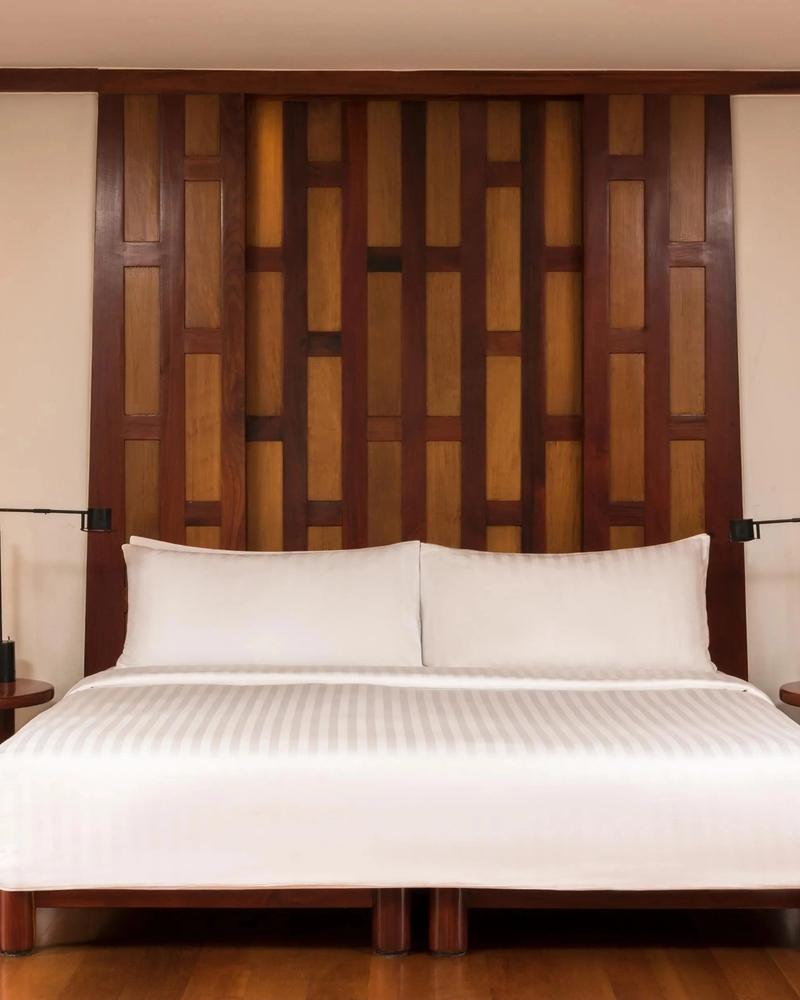
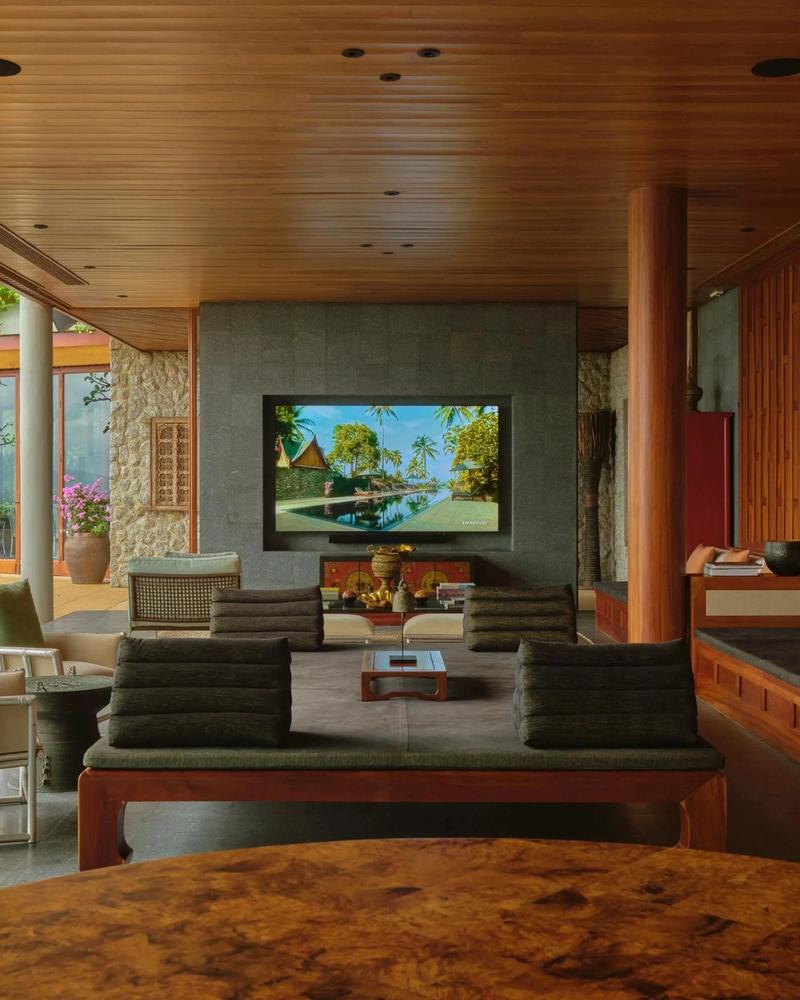
- Timeless 1988 Thai-vernacular architecture that doesn't feel dated
- Standout hotel gym with Technogym equipment, boxing ring, and Muay Thai setup
- Consistent guest loyalty — many describe it as a favorite Aman worldwide
Trade-offs
- Hillside villa layouts (especially Villa 18/19) involve steep, exhausting stairs
- Dining is solid but rarely called exceptional relative to price
- Entry-level rooms and garden-view categories offer noticeably less value than pool/ocean villas
- Family-heavy villa bookings can disrupt the adults-oriented atmosphere Aman is known for
Amanfayun
Strengths
- Reconstructed ancient village setting beside Lingyin Temple creates unmatched atmosphere
- Hangzhou House and vegetarian restaurant deliver some of the best hotel dining in China
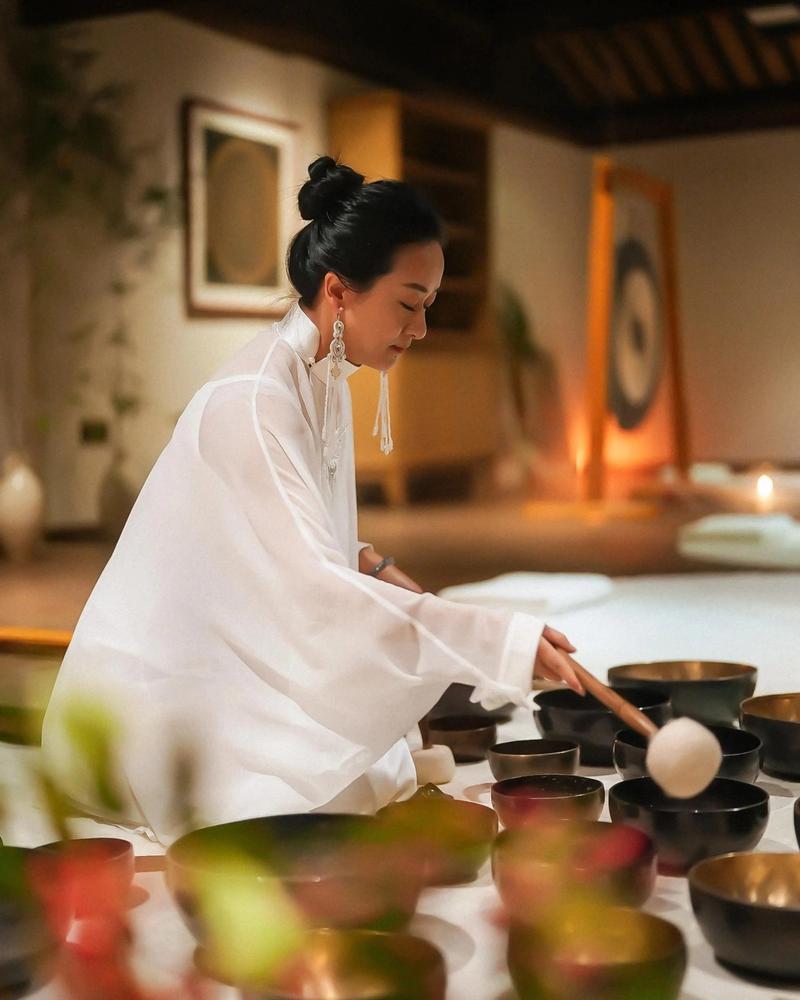
- Stream-side pool and spa consistently cited as transcendent, meditative spaces
- Staff widely praised for warmth, especially with families, elderly guests, and children
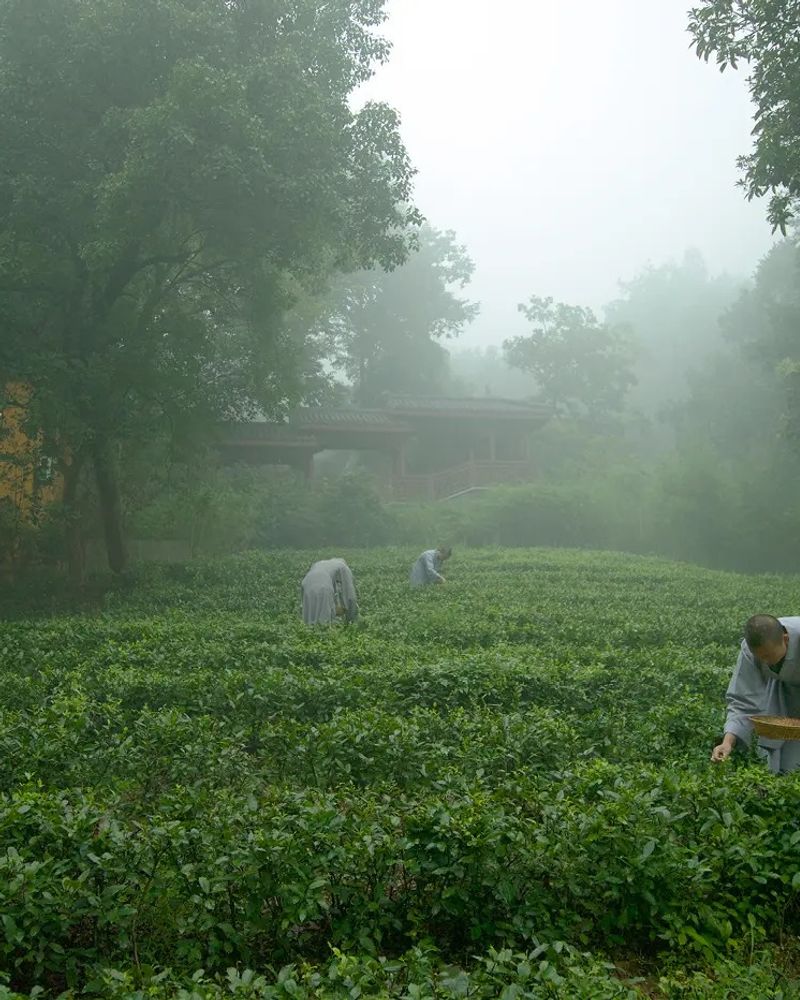
- Access to monk-led temple chants and tea gardens offers genuine cultural immersion
Trade-offs
- Rooms are consistently reported as too dark, even by fans of the property
- Service quality is inconsistent — English proficiency and front-desk helpfulness vary by encounter
- Public footpath access means non-guests wander the grounds, diminishing exclusivity
- Traffic-controlled West Lake area and long transfers complicate arrival logistics
Scoreboard
| Dimension | Amanpuri/ 20 | Amanfayun/ 20 |
|---|---|---|
| Tier | Fat Legend | Fat Favorite |
| Overall Fat Score | 18+0.5 | 17.5 |
| Service | 19+2 Housekeeping refreshes the villa every single time you step out, and guests keep returning to staff who remember them by name. | 17 Most describe staff as warm and hands-on, with named standouts like Nancy in guest relations, but one report of rude treatment toward non-guests and a midnight knock stand out. |
| Design | 18Even Villa 18/19 gets called a disaster for its endless stairs, but the teakwood pavilions and 1988 original build still don't feel dated. | 18Even Converted village houses along a kilometre of stream and courtyards feel like a real place, though a few guests found the rooms darker than they'd like. |
| Location | 18.5Even Pansea Beach is the reason people book, and it's shared only with the Surin next door, not the wider island crowds. | 18.5Even Tucked against Lingyin Temple with monk chants at dawn and walkable tea fields, yet the strict traffic-controlled access can be a hassle getting in and out. |
| Dining | 16 Reports split hard on Pru: some call the breakfast legendary, others found the room smelly and the food unremarkable for the price. | 16.5+0.5 Steam House and the vegetarian restaurant get consistent praise, but the on-site Michelin-starred Hangzhou House splits opinion, with some calling a SGD 350 dinner disappointing. |
| Wellness | 18+0.5 The spa and the two-floor gym with a boxing ring get singled out as genuinely exceptional, not just a hotel amenity checklist. | 17.5 The spa and sound bath draw real enthusiasm, and the pool framed by old stone walls is repeatedly singled out as the calmest spot on the property. |
Where they differ
Where they sit
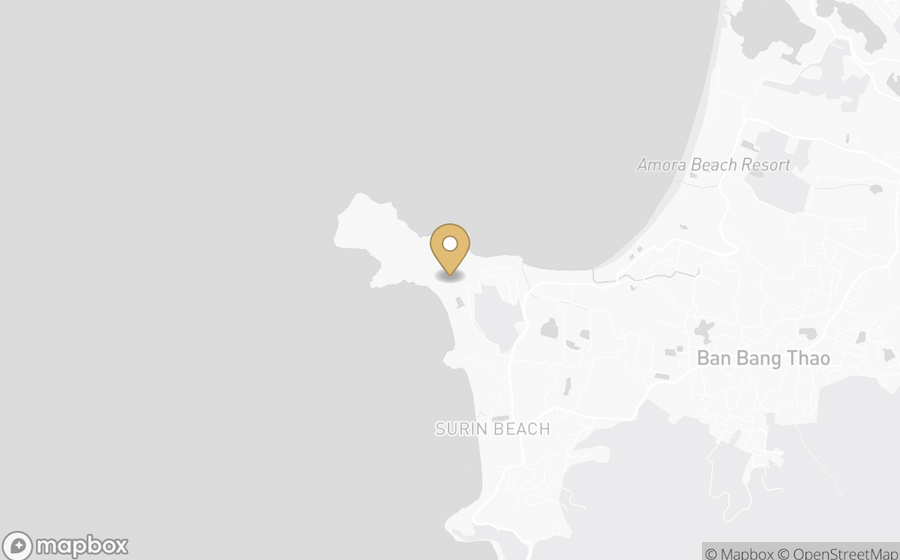
Phuket, Thailand
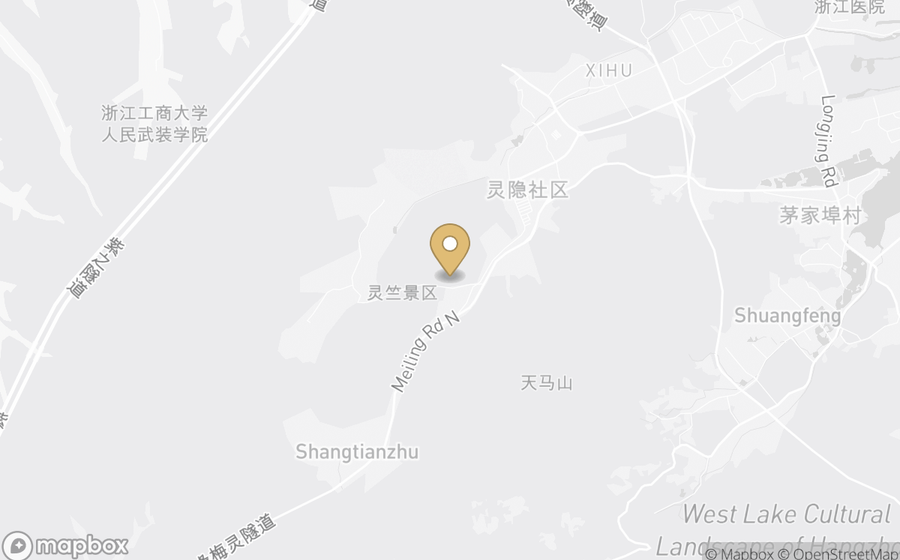
Hangzhou, China
The Verdicts
Amanpuri
Amanpuri is the original Aman, built in 1988, and what keeps coming up, from first-time guests and people on their fourth or fifth stay, is that the service here still outdoes most of the brand it started: housekeeping that refreshes a villa the moment you step out, staff who remember a tea order or a preferred pillow without being told twice. The beach, shared only with The Surin next door, is the other constant: hosed down, rarely crowded, and consistently called the calmest stretch of sand on the island. The teak-and-thatch architecture reads as timeless rather than dated for a property closing in on 40 years old, and enough people single out the gym — two floors, a boxing ring, a full Muay Thai setup — that it clearly isn't a throwaway amenity for a beach resort.
The catch is what you book. Anything below a pool or ocean villa loses the plot fast, and guests say so bluntly. The hillside villas (18 and 19 specifically) come with genuinely brutal staircases; a buggy fleet solves it for most people, but one guest was put in a room 170 steps from the lobby with no cart available and ended up asking for a refund on the remaining nights, so it's worth asking about step count directly when you book. Dining draws a mixed verdict against Trisara nearby: solid, occasionally very good, but rarely what people book the trip for, and at these rates a few guests wanted more. A handful of recent reviews also flag family-heavy villa bookings, with unsupervised children disrupting the quieter, adults-leaning mood Aman built its name on.
The Surin sits on the same beach for less, and people who've stayed at both still give Amanpuri the edge on service and grounds. Book the room category that matches the price and this stays the Aman most repeat guests call their favorite.
Amanfayun
What you're paying for at Amanfayun isn't the room. It's a reconstructed Longjing tea village strung along a stream beside Lingyin Temple, with monk-led chants at Yongfu at dawn and a footpath gate that lets you beat the tour buses. That's the whole case for the property. Travellers separated by years describe the same thing: the stream-lined pool against centuries-old stone, the tea gardens, the sense of arriving somewhere old rather than merely nice. One guest's grandparents got personal attention getting around the grounds; another's toddler had every staff member charmed within a day. The food backs it up too: the vegetarian restaurant and Steam House draw near-unanimous praise, and Hangzhou House, the Michelin-starred restaurant on property but run separately from Aman, has fans calling it among the best hotel meals in China.
The rooms are the catch, and it isn't minor: the "cottages" get called too dark by admirers and critics alike, from a 2024 review through one from this June, so this isn't one unlucky villa. Hangzhou House also splits opinion hard: one couple paid around SGD 350 for two and found the mushroom dish bland and the service checked-out, while others rank the same meal among the best in China. Service overall skews warm, but there's a real minority describing poor English and a dismissive front desk, including one traveller turned away rudely when asking how to reach a nearby restaurant with a frail parent in tow. Worth flagging too: the public footpath lets non-guests wander the grounds, which cuts against the exclusivity a rate like this implies, and the traffic-controlled West Lake area makes arrival logistics genuinely complicated.
Book it for the temple access and the atmosphere, not for a flawless five-star room. On the setting, the food, and the sense of stepping into old Hangzhou, nothing else nearby comes close.


Still torn between Amanpuri and Amanfayun?
We're Sofie and Nicolas, the two of us behind Fat Voyage — and we've stayed in hotels like these ourselves. Tell us what the trip is and we'll tell you which one we'd book, and why. We're not a booking service, but a few times a year we plan one properly for someone; if that's what you're after, say so.
You'll be dealing with the two of us the whole way through, which is why we only take on a handful of trips at a time — if we're full, we'll say so. We reply by email, usually within one working day. The hotel pays us, not you: your rate is the same as booking direct, and the perks come on top.
Common questions
Which should I book — Amanpuri or Amanfayun?
Amanpuri: Housekeeping refreshes the villa every single time you step out, and guests keep returning to staff who remember them by name. Amanfayun: Steam House and the vegetarian restaurant get consistent praise.
What's the difference between Amanpuri and Amanfayun?
Both are Romantic and Wellness. Amanpuri adds Beach, Island, Architecture and Tropical; Amanfayun adds Heritage, Countryside, Culinary and Chinese Design. Amanpuri is ahead on how you're looked after. Amanfayun is ahead on the food.
Which is better for service, Amanpuri or Amanfayun?
Amanpuri leads on this. Amanpuri: Housekeeping refreshes the villa every single time you step out, and guests keep returning to staff who remember them by name. Amanfayun: Most describe staff as warm and hands-on, with named standouts like Nancy in guest relations, but one report of rude treatment toward non-guests and a midnight knock stand out.
Which is better for dining, Amanpuri or Amanfayun?
Amanfayun leads on this. Amanpuri: Reports split hard on Pru: some call the breakfast legendary, others found the room smelly and the food unremarkable for the price. Amanfayun: Steam House and the vegetarian restaurant get consistent praise, but the on-site Michelin-starred Hangzhou House splits opinion, with some calling a SGD 350 dinner disappointing.
Where are Amanpuri and Amanfayun?
Amanpuri is in Phuket, Thailand; Amanfayun is in Hangzhou, China.
How does Fat Voyage compare Amanpuri and Amanfayun?
Fat Voyage scores every hotel out of 20 across five dimensions — service, design, location, dining and wellness — from independent signals: the most active luxury travel communities, major editorial publications, and verified guest reviews, weighted by source credibility, depth and recency. Nothing is paid for, and no hotel can buy a place.